
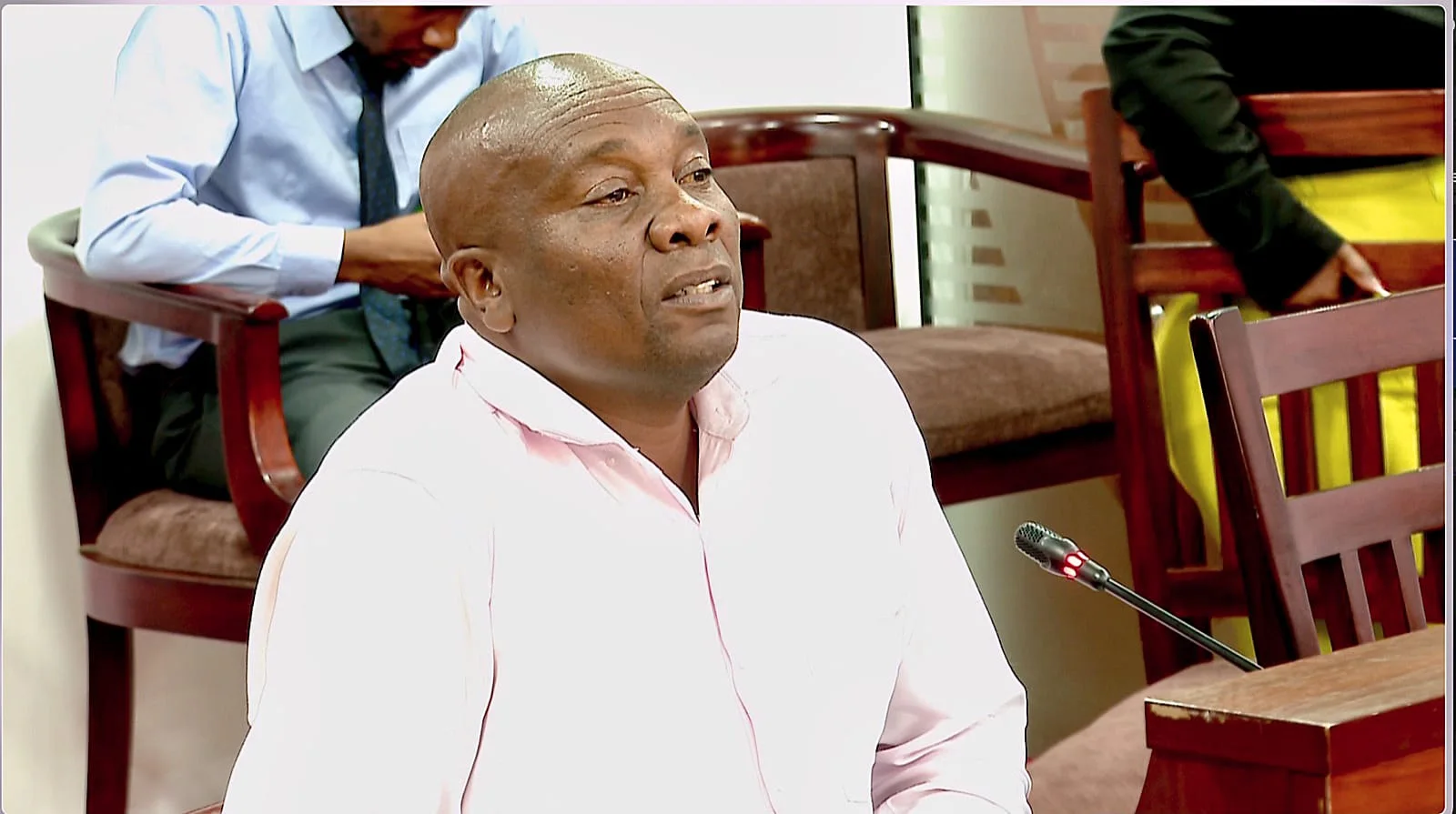
The fate of mobile numbers belonging to inactive and deceased customers has come under parliamentary scrutiny, with petitioners warning that deactivation and reassignment could interfere with access to important services, including mobile money.
The National Assembly Public Petitions Committee is examining complaints against Safaricom after Thomson Kerongo and Asiago Stephen questioned how the telecommunications company handles SIM cards that have remained unused for long periods.
The two petitioners told MPs that Safaricom can deactivate a SIM card after about six months without activity and later allocate the number to another subscriber.
They said the process raises concerns about whether customers receive sufficient notice before their lines are disconnected, particularly because mobile numbers are now tied to communication, financial transactions and access to various services.
The petitioners further asked MPs to consider what happens when the owner of a mobile number dies before the line is deactivated.
They said the subsequent closure and reassignment of such numbers could create challenges for beneficiaries and personal representatives seeking to trace money associated with a deceased customer's mobile money account.
The matter was linked to the use of M-Pesa, where customers rely on their mobile numbers to carry out financial transactions.
One of the petitioners gave the Committee an example involving a person known to him who died while money was held in an account connected to the deceased's mobile line.
He said efforts to recover the funds became difficult after the number was deactivated, resulting in a recovery process that took considerable time.
Kuria East MP Kitayama Maisori advised the petitioner to seek assistance from the Unclaimed Financial Assets Authority (UFAA) in tracing and recovering funds that could have been moved into the unclaimed assets system.
Maisori also said the issue could be raised with relevant stakeholders when they appear before the Committee as part of its consideration of the petitions.
Beyond deceased customers, the petitioners questioned the wider practice of withdrawing communication services from people who stop using their accounts for extended periods.
Mbeere South MP Bernard Muriuki said the practice of closing inactive communication accounts had existed before Safaricom and was not confined to the telecommunications company.
He cited postal boxes and landline telephone services as examples of communication services that have historically been closed after prolonged periods of inactivity.
“Allocation or reallocation of communication accounts is historical. It’s not starting with Safaricom. Safaricom has only inherited what has been happening in the past. You have genuine concerns though that when the line is being reallocated, there should be communication to the original owner,” Muriuki said.
The Committee is set to receive submissions from Safaricom, government agencies, consumer representatives and other interested parties as it investigates the issues raised in the petitions.
The views and information collected during the stakeholder meetings will be considered in the Committee's report and recommendations, which will be presented to the National Assembly for debate.