
Political analyst Benji Ndolo says Nairobi Senator Edwin Sifuna is rapidly emerging as a formidable political force ahead of the 2027 General Election, with growing public support, favourable opinion polls, and the Linda Mwananchi movement positioning him as a potential presidential contender.
Sifuna, who previously served as Orange Democratic Movement (ODM) Secretary-General, has increasingly moved to the centre of Kenya's political debate following the death of former Prime Minister Raila Odinga, with sections of the electorate viewing him as a possible successor to the veteran opposition leader's political following.
His growing influence has also been reflected in opinion polls, which have placed him ahead of several established opposition politicians, including Wiper leader Kalonzo Musyoka, former Interior Cabinet Secretary Fred Matiang'i and former Deputy President Rigathi Gachagua.
A Politrack Africa presidential preference survey conducted between September 15 and 25, 2026, placed Sifuna second nationally with 19.6 per cent, behind President William Ruto, who commanded 45.1 per cent.
The survey, which involved 20,419 respondents across the 47 counties, placed Kalonzo at 10.3 per cent, Matiang'i at 7.2 per cent and Gachagua at 6.0 per cent. Another 8.4 per cent of respondents were undecided.
The findings highlighted Sifuna's growing national profile, particularly considering that he has not formally declared a presidential bid or established a fully operational political party to anchor his ambitions.
A separate TIFA presidential preference survey conducted in June 2026 also placed Sifuna ahead of several established opposition figures. He attracted 15 per cent, compared with Matiang'i's 14 per cent and Kalonzo's 13 per cent, although Ruto led with 24 per cent.
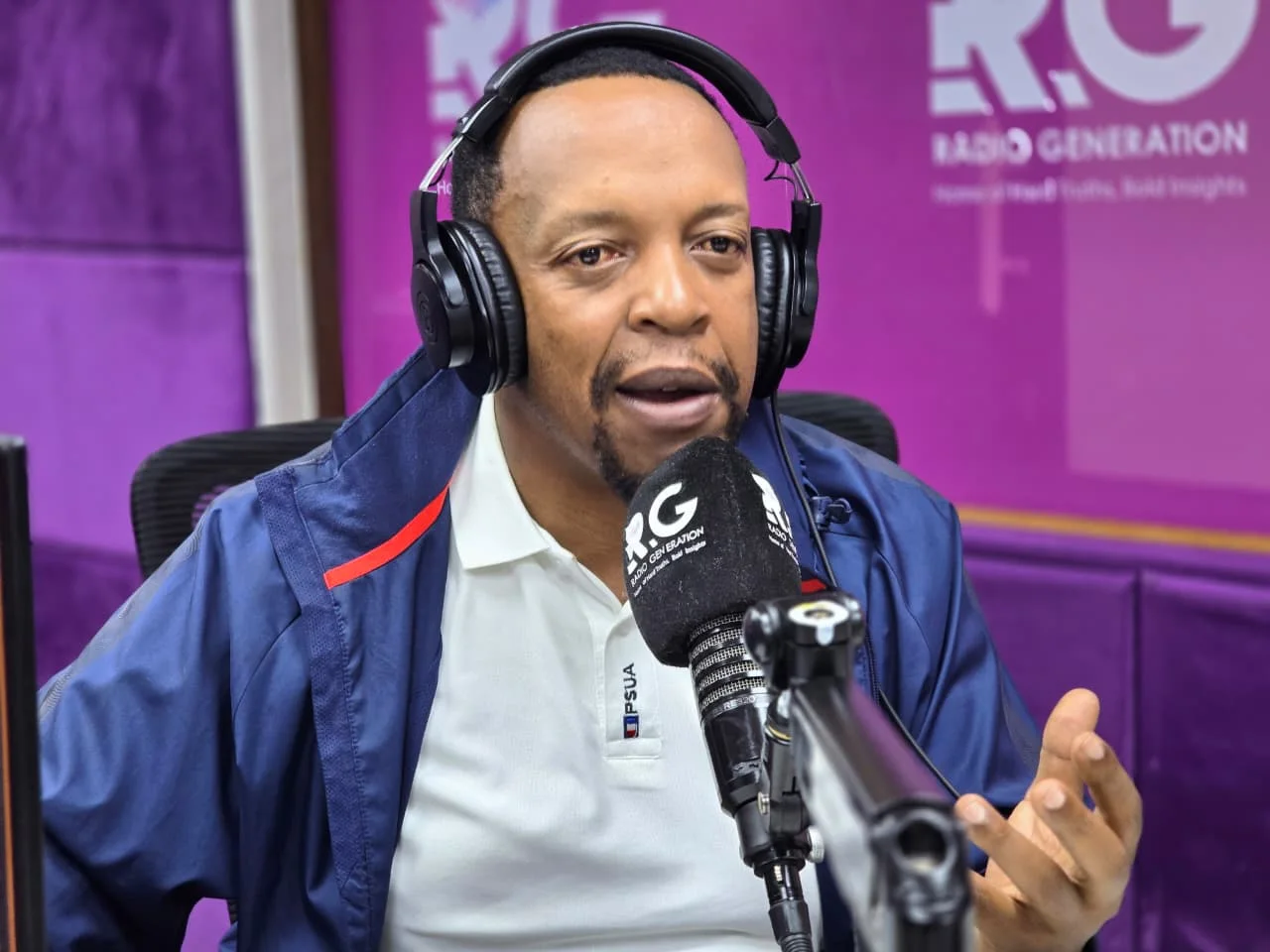
Speaking on Radio Generation on Thursday, Ndolo described Sifuna's rapid political rise as unusual, arguing that the speed at which he had attracted public support should concern the government.
He cited observations attributed to veteran pollster Tom Wolf, who reportedly expressed surprise at the senator's political trajectory.
"Tom Wolf, who is senior to Angela Ambitho, said, and I quote him, because I like to use people's words against them, that with Sifuna, I have never in my career seen this kind of thing, where somebody comes pretty much out of nowhere, like a ghost, and gets to where Sifuna is today," Ndolo recalled.
Ndolo argued that Sifuna's emergence was particularly significant because he had not actively campaigned for the presidency, with his growing political momentum largely driven by supporters seeking to position him as a national leader.
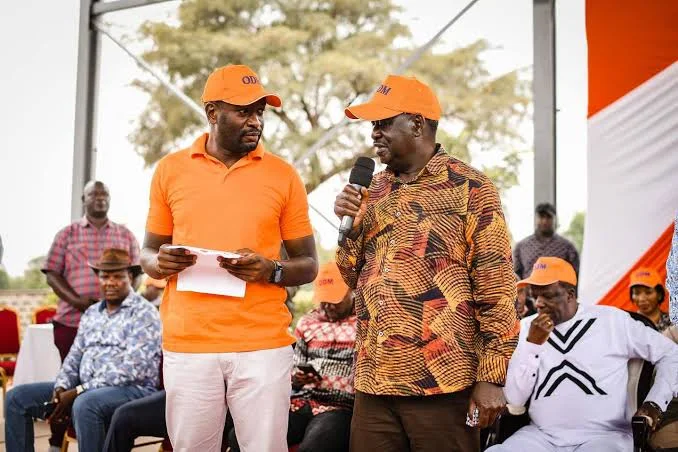
He pointed to the senator's previous political roles within ODM, including serving as Secretary-General while representing Nairobi in the Senate, but maintained that the developments following Raila's death had significantly accelerated his national prominence.
The analyst further observed that Sifuna's political positioning was taking shape around the Linda Mwananchi movement, whose supporters have increasingly rallied behind him and pushed for his leadership.
He said the senator's political vehicle remained a work in progress, noting that he had recently taken over the Equitable Party (TEP) as part of efforts to establish a platform for the movement.
However, Ndolo argued that the absence of a fully established party or formal presidential declaration had done little to diminish the confidence supporters had placed in Sifuna.
"In the eyes of the people, you can't convince them otherwise. No, you cannot tell them that this guy is not a presidential candidate. So, in the eyes of his supporters, he is actually a presidential candidate," he said.
Ndolo compared the growing enthusiasm around Sifuna to the political loyalty that sustained Raila throughout his decades-long pursuit of the presidency.
He described Raila's resilience, determination and ability to maintain a committed support base despite repeated unsuccessful presidential attempts as defining features of his political legacy.
According to Ndolo, the former Prime Minister's political strength was not simply based on his individual ambitions but also on the conviction of supporters who continued to rally behind him.
"There is something that distinguished Raila Odinga in his quest for the presidency, in his political leadership, in all the problems he had. There is one thing that distinguished Raila Odinga, as you can define his relentlessness and resiliency. Because you see, Raila could never just cushion. Raila, even if you defeat him, he'll be back in the morning," Ndolo said.
He suggested that the same political energy was increasingly finding expression in Sifuna's emerging support base, with the senator attracting supporters who see him as the person capable of carrying forward Raila's political legacy.
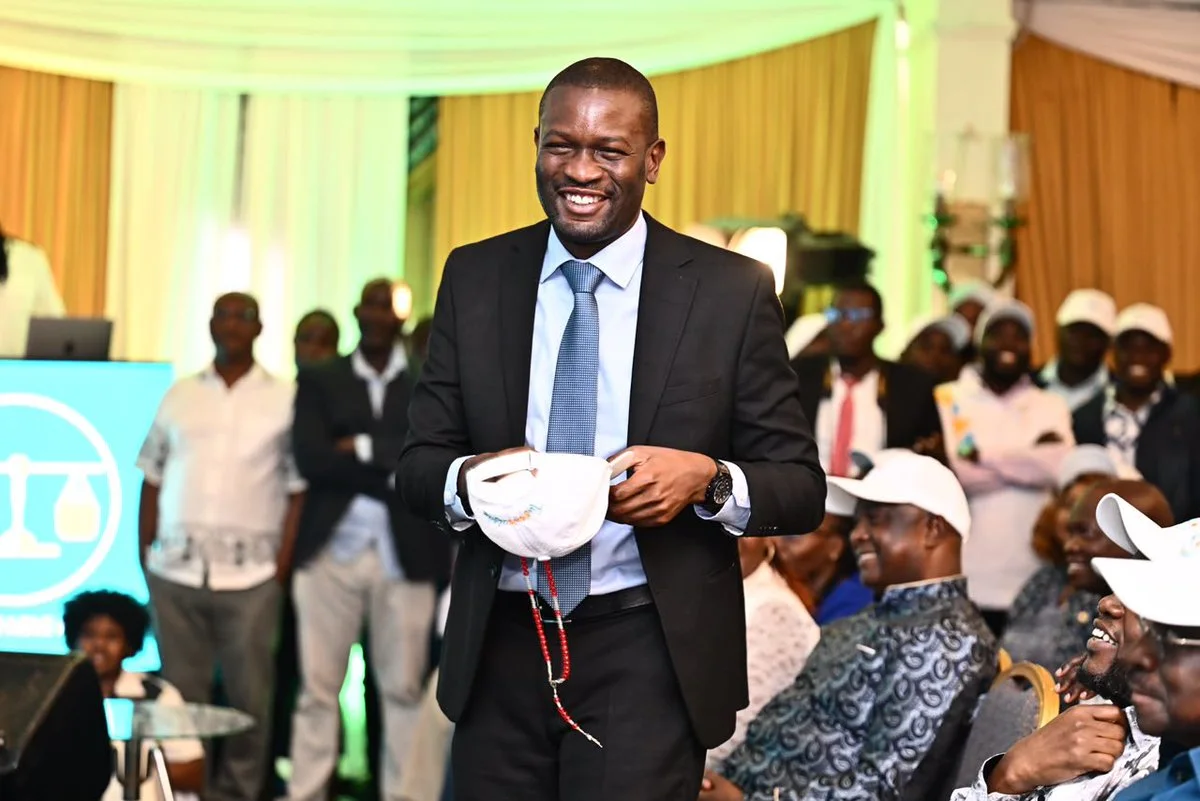
The political analyst explained that his observations were informed partly by his attendance at some of the Linda Mwananchi movement's activities, including its launch at the Stanley Hotel, where he witnessed the enthusiasm surrounding the senator.
He argued that the movement had reached a stage where its supporters expected Sifuna's engagements to attract substantial public gatherings rather than remain confined to hotel meetings and indoor political events.
The analyst said the developments could have significant implications for the 2027 political contest, particularly as established opposition figures continue positioning themselves for leadership within the anti-government political camp.
Sifuna's challenge, however, will be translating the enthusiasm and favourable polling numbers into a structured national political movement, consolidating support beyond his current political base and navigating the organisational requirements of a presidential campaign.
While the September Politrack findings placed him behind Ruto nationally, his second-place position ahead of several established opposition politicians points to his growing influence in the succession debate.
Ndolo maintained that Sifuna's political emergence should not be dismissed because of his current political titles or the absence of a formal presidential declaration, arguing that the support surrounding him had already elevated his standing in the eyes of many Kenyans.