Trump reveals near-final US-Iran agreement following high-level Middle East talks
In a post on social media on Saturday, Trump said discussions had involved leaders from Saudi Arabia, United Arab Emirates, Qatar, Pakistan, Türkiye, Egypt, Jordan and Bahrain, alongside talks relating to the Iran crisis and a proposed “Memorandum of Understanding pertaining to PEACE”.
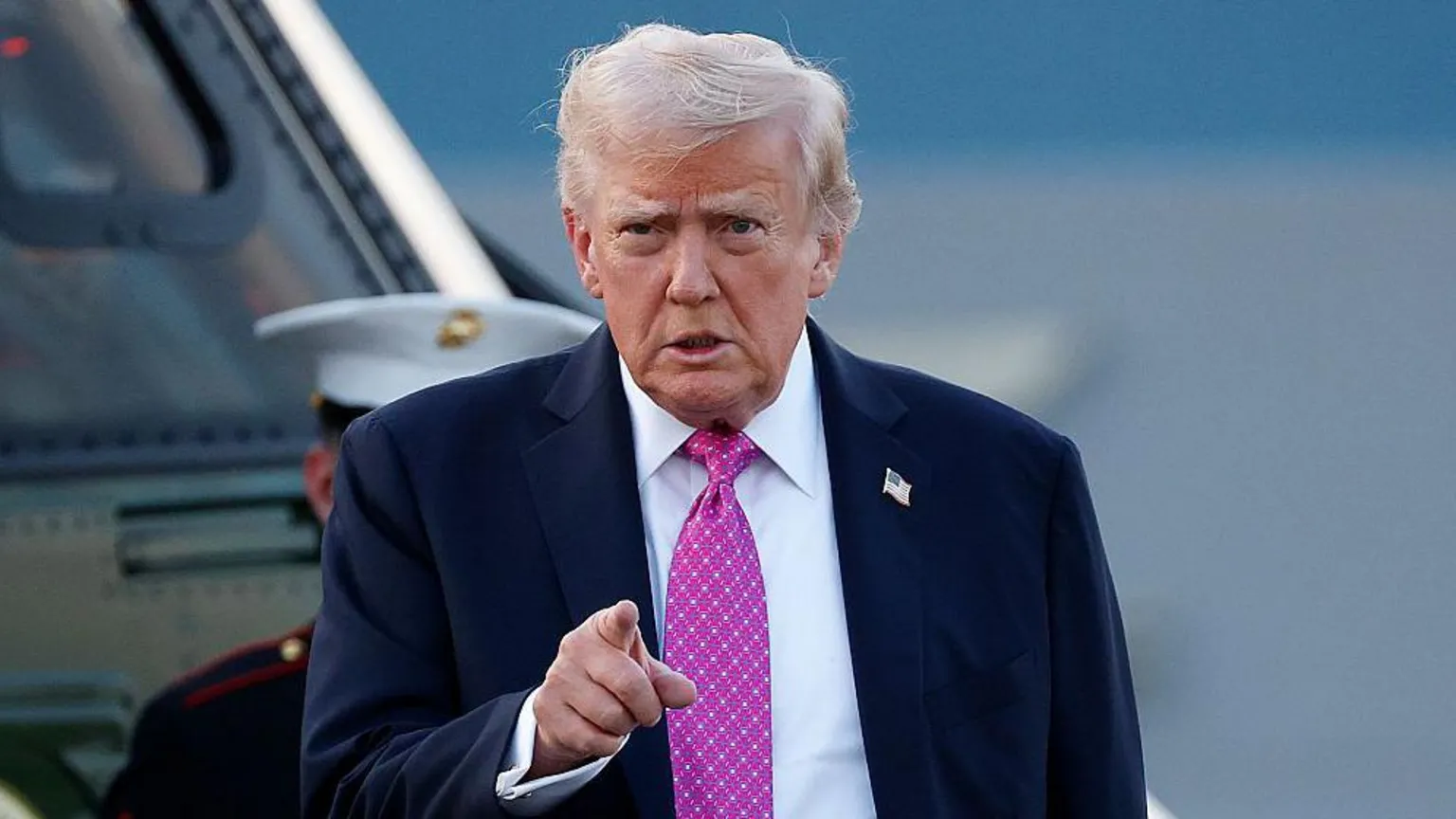
US President Donald Trump has announced that a major agreement involving the United States, Iran and several Middle East allies has been “largely negotiated” following high-level consultations on regional peace and security.
In a post on social media on Saturday, Trump said discussions had involved leaders from Saudi Arabia, United Arab Emirates, Qatar, Pakistan, Türkiye, Egypt, Jordan and Bahrain, alongside talks relating to the Iran crisis and a proposed “Memorandum of Understanding pertaining to PEACE”.
“I am in the Oval Office at the White House where we just had a very good call” with regional leaders, Trump said, adding that “an Agreement has been largely negotiated, subject to finalization between the United States of America, the Islamic Republic of Iran, and the various other Countries, as listed.”
Trump also revealed he had separately spoken with Israeli Prime Minister Benjamin Netanyahu, saying the conversation had “likewise, went very well”.
The US president said “final aspects and details of the Deal are currently being discussed, and will be announced shortly”.
One of the most significant claims in Trump’s statement was that “the Strait of Hormuz will be opened” as part of the agreement, a move likely to ease global concerns over energy supplies and shipping routes through the Gulf region.
The Strait of Hormuz, located between Iran and Oman, is regarded as one of the world’s most critical maritime chokepoints because nearly one-fifth of global oil and natural gas shipments pass through it daily.
Since the outbreak of the US-Israel-Iran conflict on February 28,2026, disruptions and security threats around the waterway have triggered sharp increases in oil prices, shipping insurance costs and broader global inflation concerns.
According to Reuters and Axios, the proposed deal could include a 60-day ceasefire extension, sanctions relief for Iran, and renewed negotiations over Tehran’s nuclear programme in exchange for reopening the Strait of Hormuz and restoring unrestricted maritime passage.
Economic analysts say the conflict has already strained global supply chains and energy markets, with fuel prices rising across several countries due to fears of prolonged instability in the Gulf.
Experts warn that even if a final agreement is reached, global markets may take months to fully recover from the disruption caused by the war.




Comments
Sign in with Google to comment, reply, and like comments.
Continue with Google