Ruto orders integration of madrasa, home-based learning into formal education system
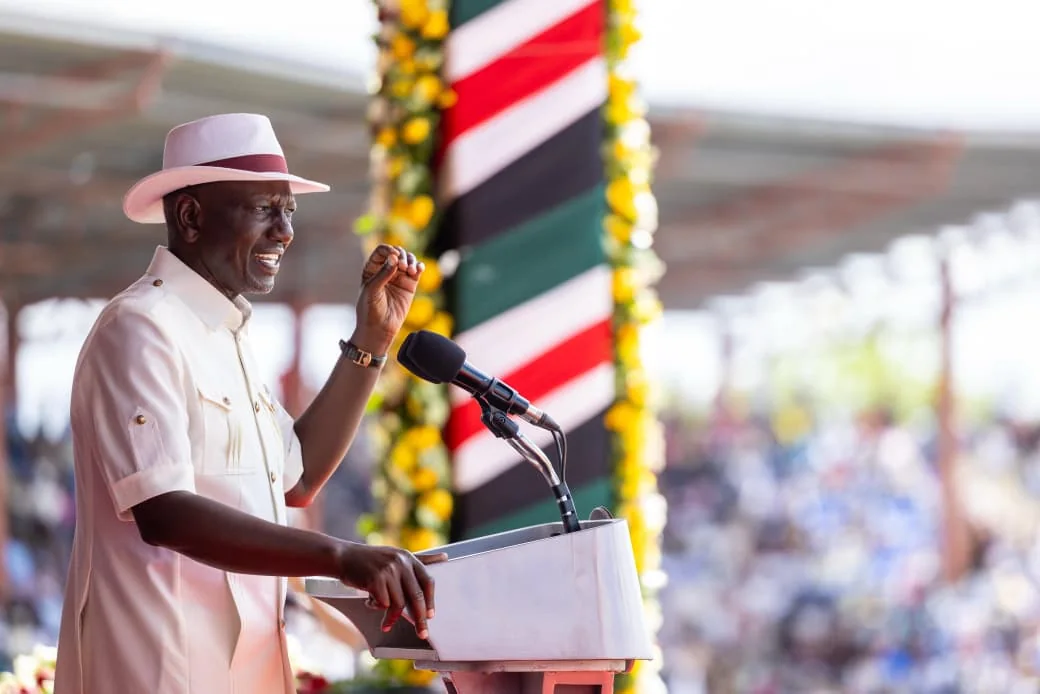
Speaking at the 63rd Madaraka Day celebrations in Wajir, the President said the reforms were necessary to address long-standing exclusion in access to education.
President William Ruto has ordered the Ministry of Education to design a clear framework that will bring alternative learning systems, including madrasa education and home-based instruction, into Kenya’s formal schooling structure, in a move aimed at widening access to education across all communities.
Speaking during the 63rd Madaraka Day celebrations held in Wajir on June 1, 2026, the President said the reforms are meant to ensure equal learning opportunities for all children, regardless of their background or circumstances.
He said the plan is intended to guarantee “every child, regardless of background or circumstance, has a recognised pathway into learning skills and opportunity.”
Ruto noted that gaps still exist in the education system, especially where certain learning pathways are not formally recognised within national structures.
“This challenge is particularly evident in the absence of a clear framework to recognise and integrate Duksi Madrassa and the program for personal instructions into the national education system,” he said, adding that the government would “consult widely” under the Basic Education Act to formalise the pathways.
He stressed that inclusion must go beyond policy statements and be reflected in actual access to services, saying education remains central to his administration’s development agenda in historically marginalised regions.
“All the investments we are making in Northern Kenya, none is more important than education,” he said.
He described education as a key driver of opportunity and national progress, adding that it connects communities to better livelihoods and national development.
“The bridge between promise and possibility, between poverty and prosperity, and between exclusion and belonging,” he said.
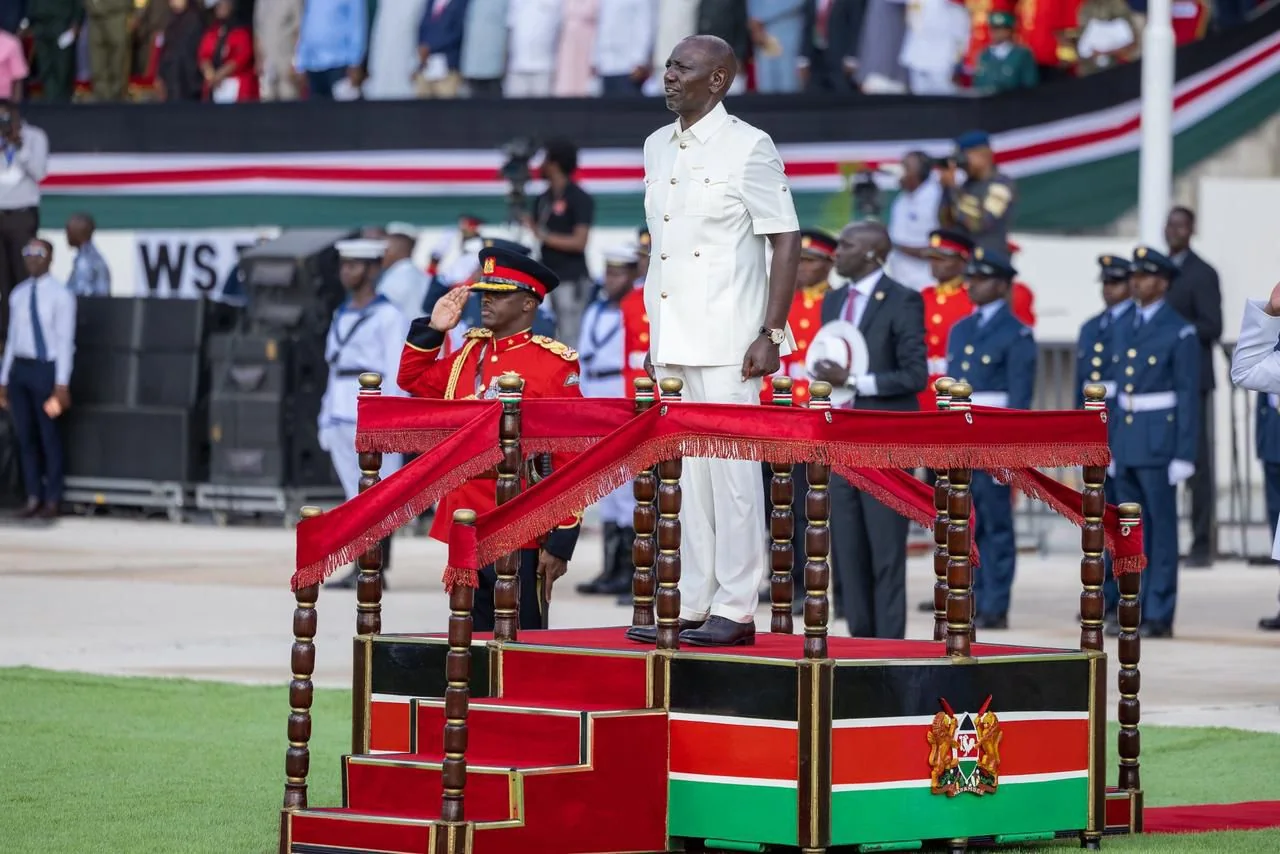 President William Ruto during the 63rd Madaraka Day celebrations on June 1, 2026 held in Wajir County.PHOTO/PCS
The President also highlighted ongoing education reforms under the Competency-Based Curriculum, noting that 52% of learners in the first Grade 10 cohort have already selected their preferred pathways.
He further pointed to increased funding for the sector, saying the education budget has grown from Sh500 billion in 2022 to more than Sh702 billion currently. He added that more than 100,000 teachers have been recruited over the past three years, with an additional 20,000 expected this year. He also said teacher training colleges in northern Kenya are being expanded to support the reforms.
Ruto said the investments are part of broader efforts to address long-standing neglect in the region, linking education reforms to improvements in health services, youth empowerment, and infrastructure development.
He assured that access to education will not be limited by geography or history.
“No child will be denied the opportunity to learn because of geography or historical neglect,” he said.
The directive is among the key policy announcements made during the Madaraka Day celebrations in Wajir, where the President framed education as the foundation for addressing inequality and promoting inclusion in northern Kenya.




Comments
Sign in with Google to comment, reply, and like comments.
Continue with Google