Unicef and Gavi step up search for Ebola vaccine as Kenya tightens surveillance
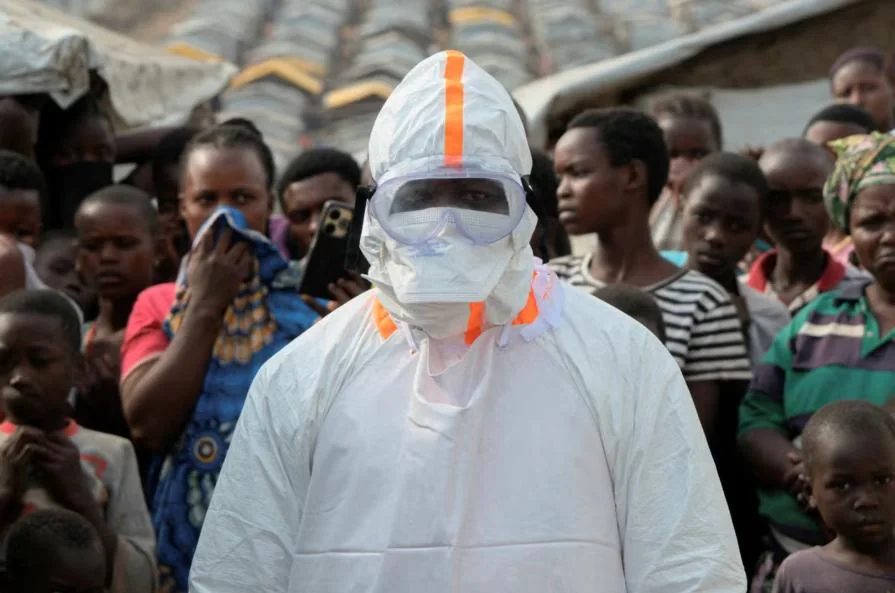
According to Health CS Duale, the Ministry of Health activated the national Ebola Incident Management System on May 20 as part of efforts to strengthen readiness in the event of a possible outbreak.
As Ebola infections continue to raise concern across parts of East and Central Africa, Kenya could soon gain from a major international effort to speed up the search for a vaccine against one of the deadliest forms of the disease, a strain that currently has no approved protection.
The latest push was announced on Thursday by Unicef and Gavi, which have launched a process aimed at helping vaccine developers and manufacturers move faster in producing vaccines for Bundibugyo Ebolavirus disease.
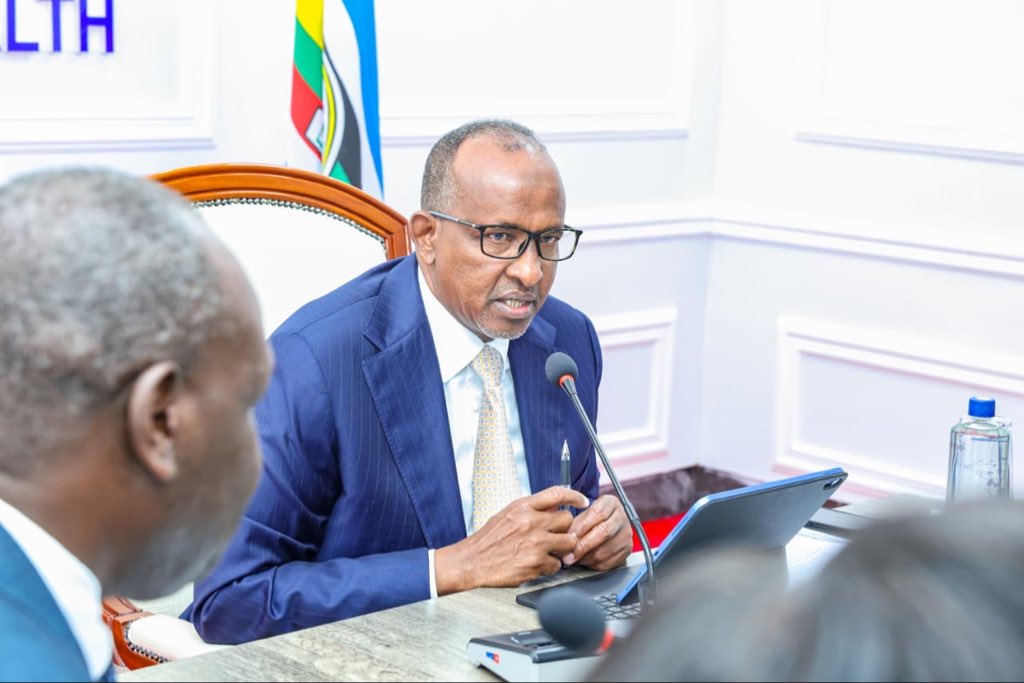
The development comes as Kenya maintains strict monitoring measures due to ongoing Ebola outbreaks in neighbouring Uganda and the Democratic Republic of Congo. Despite the heightened risk in the region, Health Cabinet Secretary Aden Duale said the country has not reported any confirmed Ebola case.
According to Duale, the Ministry of Health activated the national Ebola Incident Management System on May 20 as part of efforts to strengthen readiness in the event of a possible outbreak.
“Experience from previous outbreaks in Africa has shown that countries that prepare early are better able to protect lives, safeguard their health systems and minimise disruption to their economies,” he said.
Since then, health authorities have expanded preparedness activities across the country. These include tighter screening of travellers entering Kenya from affected countries through airports and border entry points, improved disease monitoring, increased laboratory testing capacity, preparation of isolation centres, training of medical personnel, stocking protective gear and carrying out public education campaigns.
The ministry said more than 140,000 travellers arriving from affected areas have undergone screening, while over 100 suspected Ebola alerts have been assessed and tested. All were found to be negative.
Duale also addressed concerns surrounding the establishment of quarantine and isolation facilities, saying such preparations are necessary before an outbreak occurs.
“Just as a country prepares fire engines before a fire occurs, public health authorities must prepare isolation and quarantine facilities before an outbreak occurs,” he said.
He noted that taking preventive action before infections spread widely is far less expensive than responding after an outbreak has taken hold.
“Previous Ebola outbreaks in Africa resulted in billions of dollars in economic losses due to disruptions in travel, trade, tourism and investment. Early preparedness helps protect lives, livelihoods and the economy.”
Meanwhile, Unicef and Gavi said their new initiative is intended to support quicker development and future availability of vaccines targeting the Bundibugyo strain, which remains without an approved vaccine despite its deadly nature.
As part of the effort, the two organisations have issued a Request for Expression of Interest to gather information from vaccine manufacturers and developers regarding their plans and capacity to produce vaccines against the disease.
“Building on Gavi’s recent commitment of US$40 million to support accelerated vaccine access, this EOI will help inform how that financing can best support manufacturing scale-up and rapid access to doses if and when they become available,” Unicef and Gavi said in a joint statement.
The information collected through the process will help determine how available funding can be used to expand production capacity and ensure countries have quicker access to vaccines once they are developed and approved.


Comments
Sign in with Google to comment, reply, and like comments.
Continue with Google