Sonko secures Speaker post as political tensions deepen in Senegal
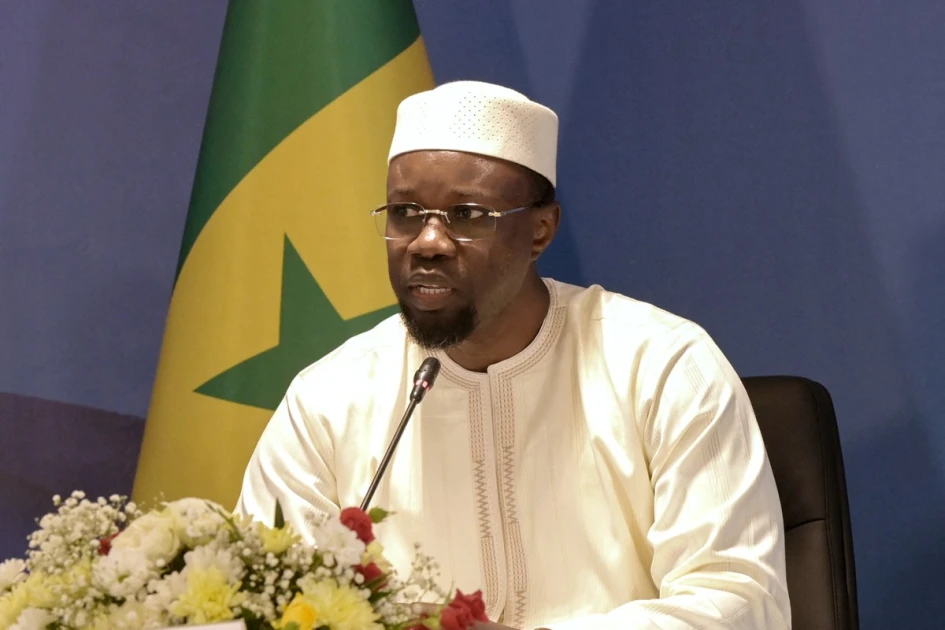
Analysts say the role could give him considerable influence and make it harder for the president to advance policies if he does not secure enough backing in parliament.
Senegal’s former Prime Minister Ousmane Sonko has been elected Speaker of the National Assembly, just days after being removed from government, in a development that places him in one of the country’s most influential political offices and deepens the growing fallout between him and President Bassirou Diomaye Faye.
Sonko was elected by lawmakers to head parliament after the previous Speaker stepped down on Sunday to pave the way for his return to the legislature.
His election comes shortly after President Faye dismissed him as prime minister and named economist Ahmadou Al Aminou Lo as his replacement on Monday.
The latest political shift marks a new chapter in a relationship that has steadily deteriorated over recent months.
Once close allies, Faye and Sonko have increasingly found themselves at odds, particularly over the government’s handling of Senegal’s debt challenges.
Sonko, whose Pastef party holds a majority in the National Assembly, now takes up the position of Speaker, widely regarded as the second most powerful political office in the country.
Analysts say the role could give him considerable influence and make it harder for the president to advance policies if he does not secure enough backing in parliament.
The political standoff is unfolding within constitutional limits that restrict the president’s ability to dissolve parliament.
Under existing rules, the National Assembly cannot be dissolved until at least two years after the last election, meaning any attempt to end lawmakers’ mandates before November would be invalid.
The widening rift between Faye and Sonko has added to uncertainty over the future direction of the West African nation, which is already grappling with debt-related challenges and has previously experienced political power struggles.
Sonko remains one of Senegal’s most popular political figures, particularly among young people. Before joining government, he built his reputation as an opposition lawmaker known for strongly challenging the policies of former President Macky Sall.
That confrontational style continued even after he entered government, with Sonko publicly criticising President Faye over key policy issues, including the management of the country’s debt situation.
The 51-year-old politician is widely viewed as a major force in Senegalese politics. Many observers believe he would have been elected president in 2024 had he not been barred from contesting the election because of a defamation conviction.
His election as Speaker now positions him at the centre of Senegal’s political landscape, setting the stage for what could be an increasingly complex relationship between parliament and the presidency in the months ahead.




Comments
Sign in with Google to comment, reply, and like comments.
Continue with Google