Senate Health committee flags staff shortages in County hospitals
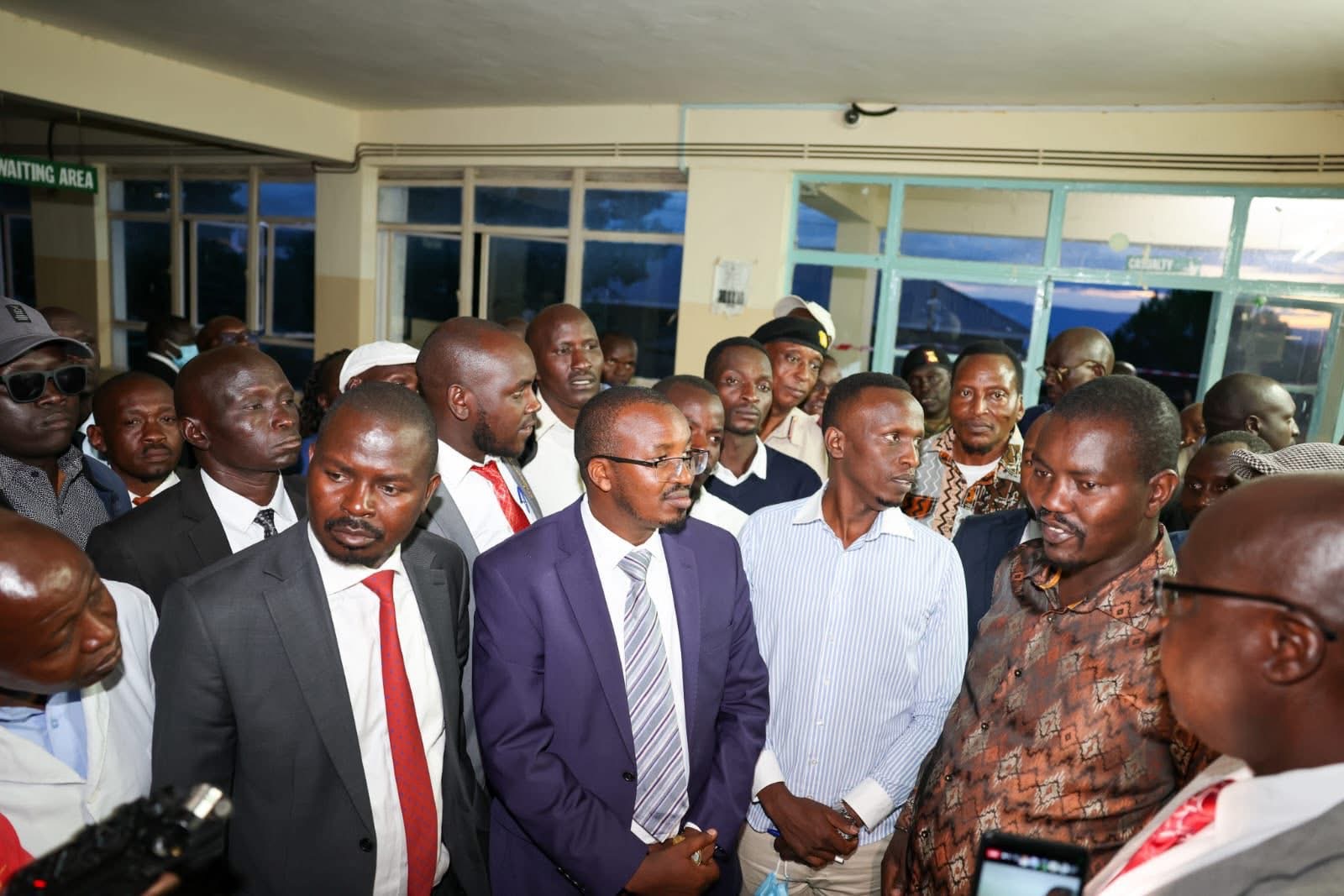
The committee, led by chairperson Jackson Mandago, said the visits were aimed at assessing service delivery, infrastructure development and management of resources in devolved health systems.
The Senate Health Committee has raised concern over staff shortages, poor maintenance of medical equipment and weak use of available funds in county health facilities after an oversight tour of Nakuru, Baringo, Elgeyo-Marakwet and Nandi counties.
The committee, led by chairperson Jackson Mandago, said the visits were aimed at assessing service delivery, infrastructure development and management of resources in devolved health systems.
During the inspections, senators reported overcrowded wards, long queues and strained services in several hospitals, which they linked largely to an inadequate number of healthcare workers.
Mandago said urgent measures were needed to improve staffing and equip hospitals to meet growing demand for services.
“We need sufficient personnel and adequate equipment in our health facilities to guarantee quality healthcare,” he said.
The committee also questioned the management of the Facility Improvement Fund (FIF), saying some hospitals were not fully utilising resources allocated to them. Senators called on county governments to grant hospital managers more authority over the funds to allow faster response to pressing infrastructure and service needs.
Members further urged counties to settle pending debts owed to the Kenya Medical Supplies Authority (KEMSA), warning that delayed payments were affecting the steady supply of medicines and essential equipment.
As discussions turned to long-term solutions, senators pointed to renewable energy as a way to cut hospital operating costs. Richard Onyonka cited Kiambu Level 5 Hospital as a successful example, saying its investment in solar power had significantly reduced expenses.
He encouraged county governments to adopt similar initiatives to improve efficiency and sustainability across public health facilities.
Onyonka, however, noted that acquiring equipment alone would not solve challenges facing hospitals, saying many machines become unusable due to neglect and lack of servicing.
“Poor maintenance continues to undermine service delivery. Counties should establish maintenance boards to ensure hospital equipment remains functional,” he said.
The committee also highlighted disparities in healthcare investment, noting that some facilities remained neglected despite increased allocations to the health sector. Chemitei Cheburet singled out Kimelel in Baringo County as an example of an area still requiring urgent attention.
Senators also pushed for increased enrolment under the Social Health Authority (SHA), urging healthcare workers to intensify registration efforts to bring more Kenyans under the national health insurance programme.
They said they would engage the Ministry of Health over delays in remittances to facilities, which administrators claim are disrupting daily operations.
Another issue raised during the visits was congestion in hospital mortuaries, partly caused by bodies brought in by police. Senators said they would lobby for conditional grants to support the construction of separate police mortuaries in order to reduce pressure on health facilities.
The committee further warned over the continued presence of asbestos roofing and materials in some hospitals, saying the health risks associated with the substance must be addressed urgently.
“We cannot claim to be fighting cancer while exposing patients and staff to cancer-causing materials within our own facilities,” Mandago said.
The Senate team is now expected to retreat and compile its findings into a report that will be tabled before the House for debate and possible action..



Comments
Sign in with Google to comment, reply, and like comments.
Continue with Google