Calls mount for review of Cohesion Agencies over role overlap concerns
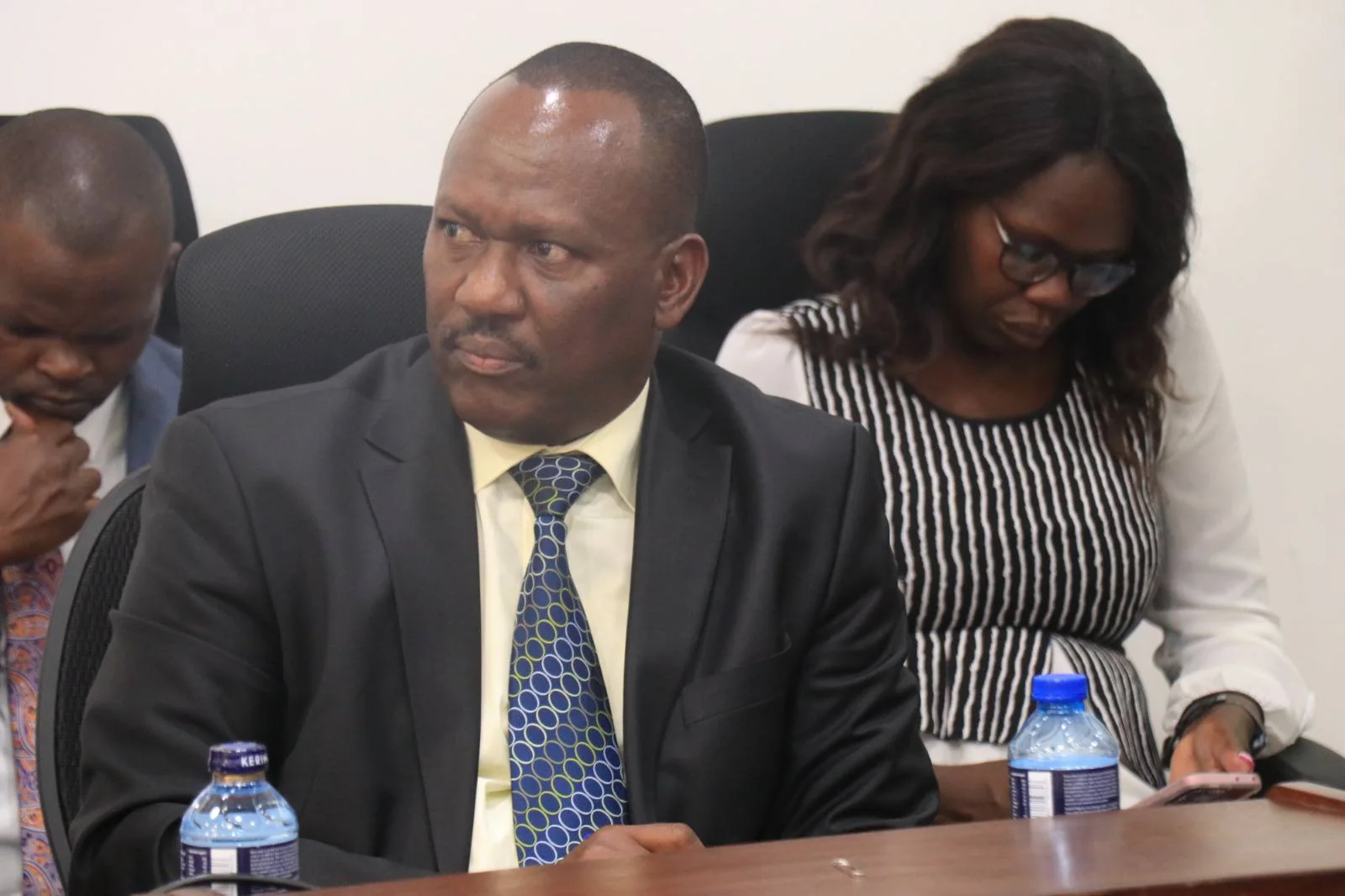
MPs argued that the current arrangement is creating inefficiencies in the use of public funds and blurring responsibility in the implementation of peace and unity programmes across the country.
A debate in Parliament has raised questions over how Kenya’s national cohesion work is organised, with lawmakers warning that overlapping government structures may be carrying out the same duties under different names, leading to possible waste of public funds.
The concerns emerged during scrutiny of the 2026/2027 budget estimates for the State Department for National Government Coordination, where MPs focused on whether the National Cohesion and Integration Commission and the Directorate of National Cohesion and Values are functioning as separate bodies or duplicating roles in practice.
Lawmakers said the arrangement has created confusion in implementation of peace, unity and civic education programmes, while also stretching already limited resources across similar activities.
Committee Vice Chairperson Dido Raso sought clarity on how the two offices relate in their daily work and whether their operations are properly aligned.
“I want to know how closely you are working with NCIC because largely you are working back-to-back,” said Raso.
Kisumu West MP Rosa Buyu raised concern that the creation of similar structures within government was leading to repetition of work, arguing that each unit draws funding even when handling similar assignments.
“There is too much repetition and duplication of activities, and each department handling the same activity requires government funding,” said Buyu.
She further warned that spreading resources across overlapping programmes was weakening service delivery at community level rather than strengthening impact.
Sotik MP Francis Sigei echoed similar concerns, saying duplication within government systems was becoming expensive and needed urgent review to improve efficiency.
“This duplication is very expensive. Government should look at the bigger picture and streamline these areas of duplication,” he said.
He also pointed to past reforms under the performance contracting system, saying it had previously improved efficiency and gained recognition beyond the country, including interest from Nigeria.
Loima MP Protus Akuja also questioned repeated funding requests linked to cohesion programmes in the North Rift, noting that similar proposals had already been presented by another government office, creating uncertainty over who is responsible for what.
Members of the committee further questioned why only 25 percent of services under the department are set to be digitised in the coming financial year, saying the target appears low compared to the wider push for digital transformation across government.
Nakuru Woman Representative Liza Chelule defended the allocation for cohesion programmes, especially in areas affected by insecurity, saying peace remains the foundation of development efforts.
“Without peace, we are not planning to do anything,” she said.
Chelule also called for stronger civic education and deeper community engagement to strengthen unity across regions and prevent conflict.
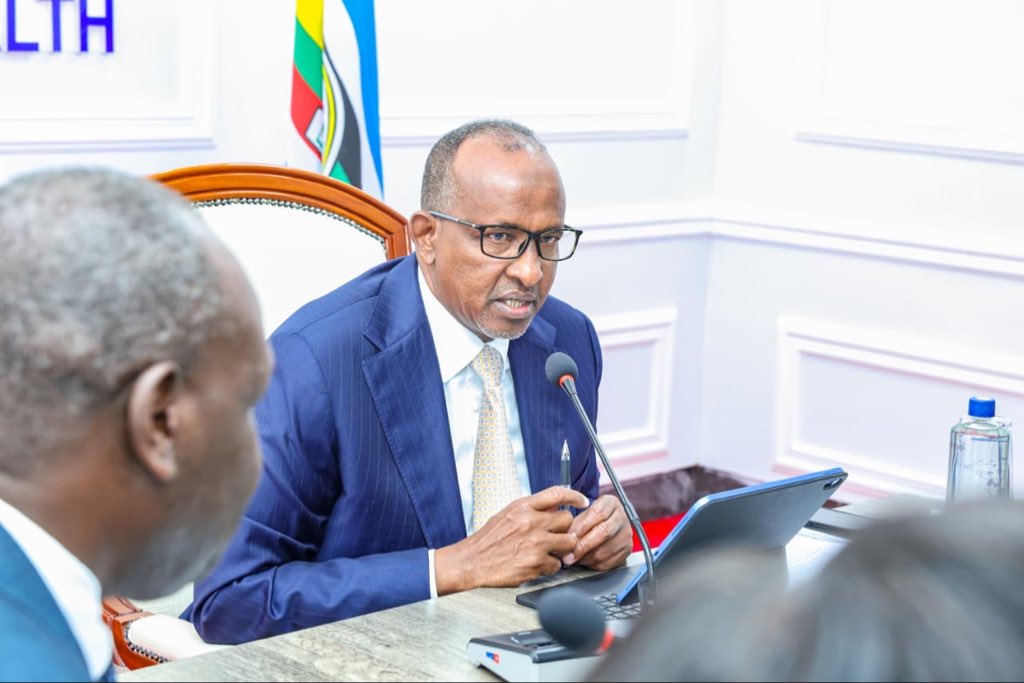
Responding to the concerns, Principal Secretary for the State Department for National Government Coordination Ahmed Abdisalan Ibrahim rejected claims of duplication, saying each institution has a defined mandate under Executive Order Number One of 2025.
“If we respect the mandate given to each State Department, there will not be duplication,” he said.
He added that coordination of the National Development Implementation Committee is shared between the Office of the Prime Cabinet Secretary and his department, in line with the established government structure.
Secretary for National Cohesion and Values Josiah Musili also defended the existing arrangement, saying both institutions were formed following the 2008 National Accord after the post-election crisis.
He explained that NCIC focuses on hate speech, mediation and conflict resolution, while the Directorate handles civic education, policy development and preparation of presidential reports on national unity.
“The two institutions were established with very clear mandates,” said Musili.
Despite the explanations from officials, MPs maintained that the system still needs a review, with Sotik MP Francis Sigei calling for possible consolidation of the two bodies to reduce costs and improve coordination in national cohesion programmes.


Comments
Sign in with Google to comment, reply, and like comments.
Continue with Google