Media Council calls for coordinated African response to digital media challenges
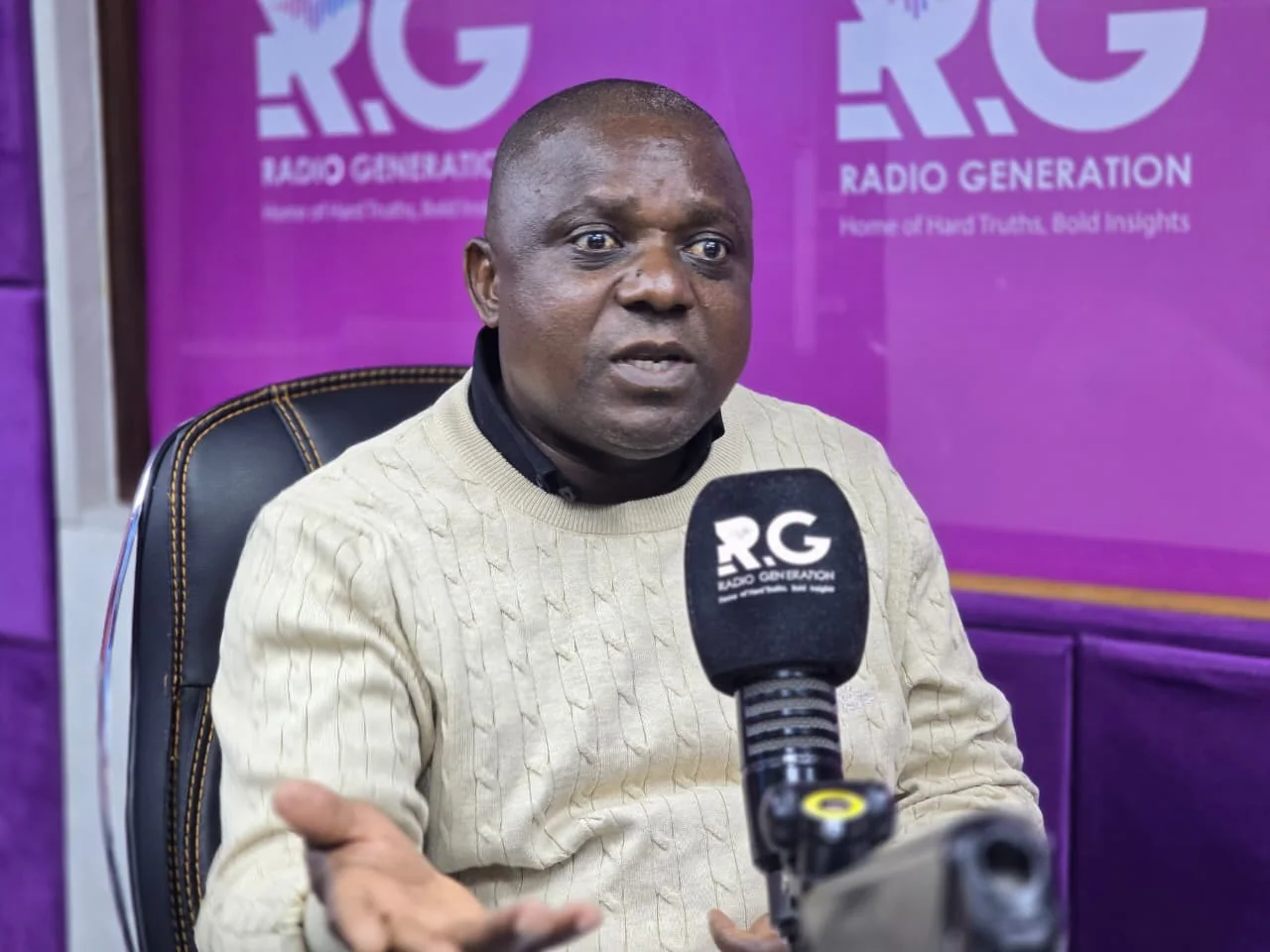
Speaking on Radio Generation on Monday, Bwire said African countries must shift from fragmented national approaches to a coordinated continental strategy that can better engage global technology platforms and strengthen media resilience.
Media Council of Kenya Director for Media Training and Development Victor Bwire has called for a unified African response to growing media and digital communication challenges, warning that weak internet access, misinformation, outdated laws and digital illiteracy are undermining press freedom and public information systems across the continent.
Speaking on Radio Generation on Monday, Bwire said African countries must shift from fragmented national approaches to a coordinated continental strategy that can better engage global technology platforms and strengthen media resilience.
“The challenges seem to be similar across Africa,” he said. “We must now think beyond countries and regions to a continent, because how do we engage global digital platforms when individual markets are too small?”
He noted that the rapid shift of media to online platforms has exposed deep inequalities in access, particularly in rural areas where internet connectivity, electricity access and affordability remain major barriers.
“How many people, for example, access internet in Kenya?” he asked. “The internet is still too expensive. In some areas, even electricity is not available, so people cannot sustain digital consumption.”
Bwire also raised concern over low media literacy levels, warning that many users struggle to distinguish credible information from misinformation circulating on platforms such as WhatsApp and social media.
“In professional groups, fake news is now everywhere,” he said. “Even media professionals are consuming and sharing misinformation without verification.”
He argued that language diversity, digital inequality and weak infrastructure continue to widen the gap between Africa and more developed regions, making it harder for the continent to compete in the global information economy.
The Media Council official also criticised the persistence of outdated media laws in Kenya and other African states, saying they are increasingly incompatible with modern digital realities and contribute to poor global press freedom rankings.
“We still have 21 laws that negate the three progressive ones,” he said. “That is why Kenya ranks poorly in global press freedom indices, because they look at the legal environment as a whole.”
According to discussions at the Pan-African Media Summit 2026, media stakeholders from more than 30 countries called for stronger cross-border cooperation, improved digital literacy programmes, and harmonized regulatory frameworks to address misinformation, content ownership, and platform accountability.
The summit also highlighted the need for investment in digital infrastructure, stronger protections for media freedom, and policies that support fair compensation for content creators in the digital economy.
Bwire said Africa must prioritize research-driven and long-term solutions rather than reactive policies, urging governments to invest in education systems that prepare young people for responsible digital engagement.



Comments
Sign in with Google to comment, reply, and like comments.
Continue with Google