Governance expert warns funding gaps, political pressure could affect 2027 election readiness
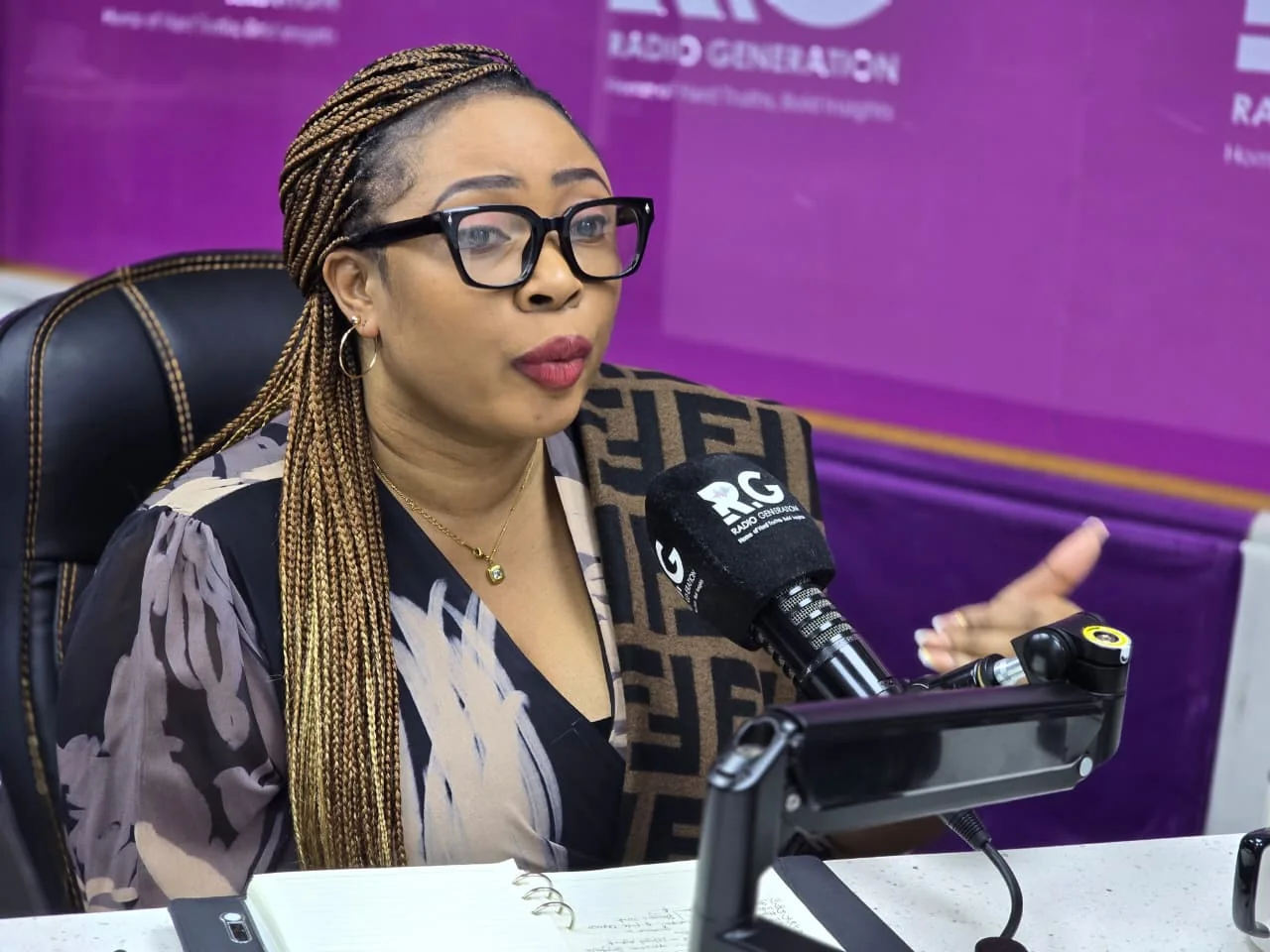
Isabel noted that legal, procurement, and operational reviews are used to identify gaps in electoral management
Election readiness in Kenya is being shaped by more than just voter registration and polling systems, with governance experts now warning that legal gaps, institutional strength, funding limits and the political climate will all determine how prepared the country is ahead of the next general election cycle.
Governance expert Brenda Isabel says the state of preparedness for elections cannot be looked at from a single angle, arguing that it requires a full check of laws, institutions and public participation, alongside stability in the political space.
She pointed to concerns around how electoral bodies are funded, past election reviews, and growing public doubt in institutions, warning that financial reliance on the executive and political pressure could weaken the Independent Electoral and Boundaries Commission as preparations for the 2027 General Election continue.
Speaking during a Radio Generation interview on Thursday, Isabel said election readiness must be assessed broadly, covering legal frameworks, institutional capacity and how engaged voters are.
“You have to look at a number of factors. One, do we have sufficient electoral legislation to carry us through the next election? Let’s look at 2022. Did we do an audit? What are some of the gaps that we need to fill before the next general election?” she questioned.
She explained that the Independent Electoral and Boundaries Commission continues working between election cycles, focusing on fixing gaps identified after each poll.
“I know the Electoral Commission has been working very hard behind the scenes. A lot of Kenyans may not know this. They work throughout the electoral cycle to ensure that they tighten some of the gaps that were identified in the last election,” she stressed.
Isabel also noted that the political environment and stability of institutions play a central role in determining whether the country is ready for elections, alongside voter confidence and preparedness.
Her remarks come at a time when the Independent Electoral and Boundaries Commission is stepping up preparations for the 2027 General Election, including voter registration drives and upgrades to ICT systems.
The commission has set a target of about 28.5 million registered voters, with projections indicating that more than 6.3 million new voters are expected to be added before the polls.
Enhanced Continuous Voter Registration has already captured over 2.6 million new voters in early 2026, according to commission updates.
At the same time, the Independent Electoral and Boundaries Commission has proposed a Sh63 billion budget to support election operations, covering a three-year cycle, while also pushing for strengthened KIEMS kits, legal reforms and improved coordination among stakeholders.
However, Parliament approved a lower allocation of about Sh55 billion from the Treasury envelope, leaving a funding gap of about Sh6.7 billion, a shortfall that the commission says is already affecting key activities such as voter registration, ICT upgrades and replacement of KIEMS kits. Pending bills have also added pressure on operations.
Lawmakers have maintained that tighter spending controls are necessary due to competing national priorities, forcing the commission to adjust its plans as preparations for 2027 continue.
Despite these challenges, the commission has maintained that timely and adequate funding remains critical to ensuring credible elections and smooth logistics during the electoral period.
Isabel further warned that the political climate can directly affect electoral stability and outcomes.
https://twitter.com/RadioGenKe/status/2062455394560049478
“For as long as we keep this environment very stressful, I think we are not headed in the right direction,” she explained.
On election reviews, she said several actors take part in assessing past polls, including development partners and observer missions, alongside internal checks by the electoral body.
“You audit an election. After an election, different partners will do post-election evaluations. We also look at reports from the European Union and organizations such as ELOG. But more importantly, IEBC also does an audit,” she stressed.
She added that different forms of reviews, including legal and procurement audits, are used to identify weaknesses that need correction before the next election cycle.
“You get to identify what gaps existed in the last election. There is also something called a legal audit. You can do a procurement audit and many others to check what needs to be changed,” she stated.
Isabel also pointed to electoral dispute resolution systems, noting that court petitions remain a key part of legitimizing election results and strengthening the process.
She contrasted Kenya’s system with others in the region, saying institutional independence is still uneven across countries.
She further raised concern over financial dependence, arguing that true independence of electoral bodies is affected when funding is controlled externally.
“You cannot say an institution is independent if it entirely relies on the executive for its finances. There is no financial autonomy,” she explained.
She said that while the Independent Electoral and Boundaries Commission is legally independent, funding limits and operational constraints continue to affect how it carries out its mandate, especially during sensitive election periods.
As preparations continue, Isabel maintained that Kenya’s electoral stability will depend on a combination of strong laws, sufficient funding, responsible political conduct and sustained public trust in democratic systems.




Comments
Sign in with Google to comment, reply, and like comments.
Continue with Google