Treasury unveils Sh8.2 billion plan for fisheries and aquaculture expansion
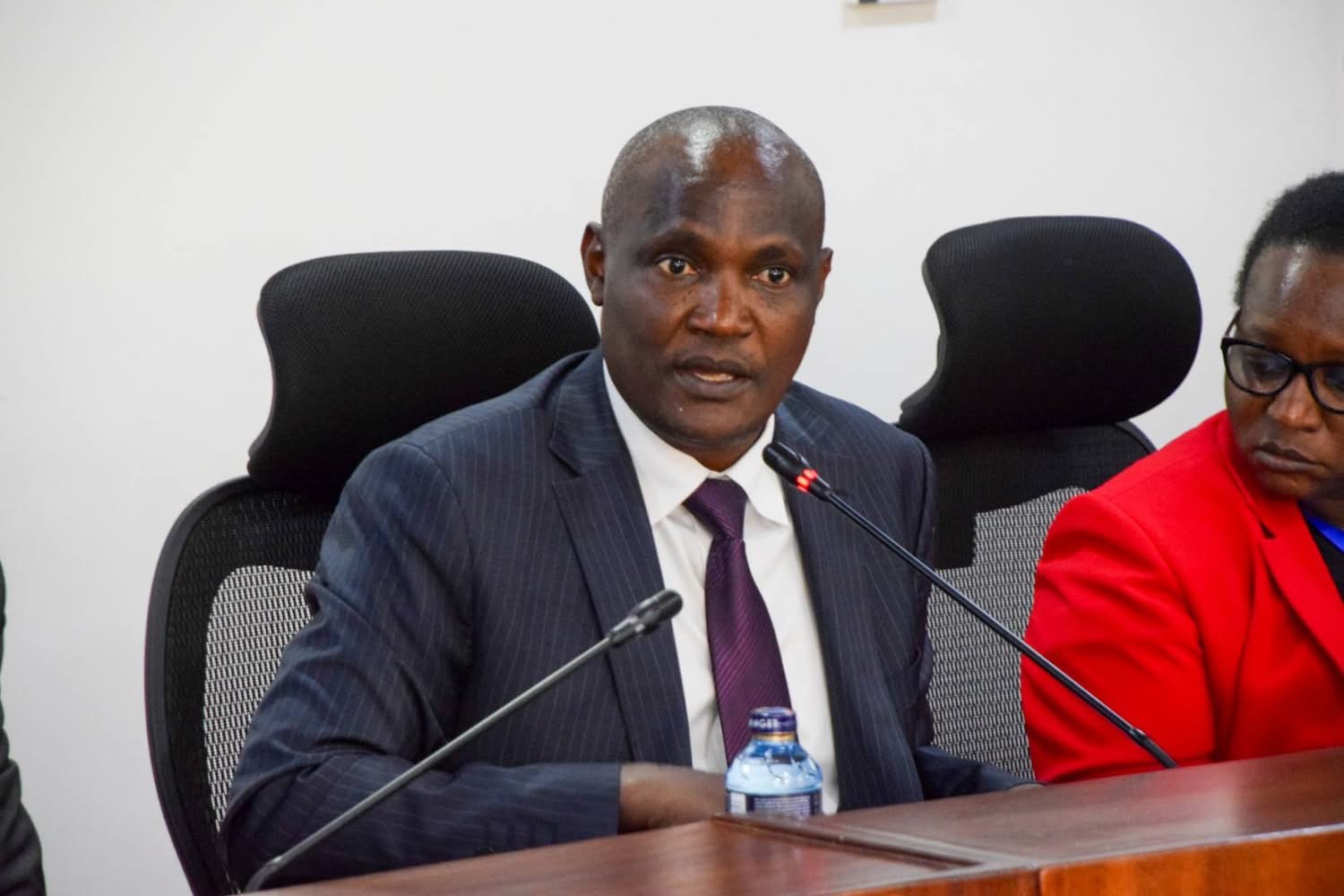
The allocation would support programmes aimed at strengthening fisheries production, expanding aquaculture, and improving supporting infrastructure across the sector
Kenya has set aside Sh8.2 billion for the blue economy in the 2026/27 financial year, placing fisheries, aquaculture and marine development at the centre of its economic plans aimed at boosting jobs, food production and coastal livelihoods.
The allocation was outlined during the national budget presentation in Parliament on June 11, where Treasury Cabinet Secretary John Mbadi said the government was focusing on sectors with strong potential to expand incomes and improve productivity across the country.
Mbadi told lawmakers that the funds will be directed towards programmes designed to strengthen fisheries production systems, grow aquaculture, and improve infrastructure that supports the wider fisheries value chain.
A major share of the allocation, Sh2.1 billion, has been directed to aquaculture development, with the aim of expanding fish farming and reducing pressure on natural fish stocks that have been under strain in recent years.
The Cabinet Secretary stated that the programme is expected to deliver broad benefits across the sector, saying the funding will help the government "expand sustainable aquaculture, create jobs, and strengthen value addition and logistics in the fisheries sector."
Another Sh1.8 billion will go to the Kenya Marine Fisheries and Socio-Economic Development Project, which targets better management of marine resources while opening up more economic opportunities for communities along the coast.
The project is also expected to support improved productivity in marine fisheries and strengthen livelihoods in areas where fishing remains a key source of income.
In addition, Sh578 million has been allocated to the Kabonyo Fisheries and Aquaculture Training Centre, which is expected to play a central role in building skills, supporting research, and improving training in the sector.
Mbadi said the facility will help strengthen capacity within the fisheries sector through training programmes, research work, and skills development aimed at improving performance across the industry.
The broader funding plan reflects growing government focus on the blue economy as a strategic sector expected to support employment creation, improve food security, and attract investment into marine and fisheries activities.
The Treasury noted that continued investment in the sector will support efforts to increase productivity, improve market access, and expand value addition across the fisheries chain.
Communities living along the Indian Ocean coastline, Lake Victoria, and other inland water bodies are expected to benefit from the new investments, which form part of the wider economic transformation agenda.
Attention will now turn to how the programmes will be implemented in the new financial year and whether they will lead to higher fish production, improved incomes, and stronger growth in the blue economy sector.
The allocation places the blue economy among priority spending areas, with the government aiming to turn fisheries and marine resources into a stronger pillar of Kenya’s economic growth.



Comments
Sign in with Google to comment, reply, and like comments.
Continue with Google