NGEC warns millions of Kenyan children still lack safe water, sanitation and hygiene
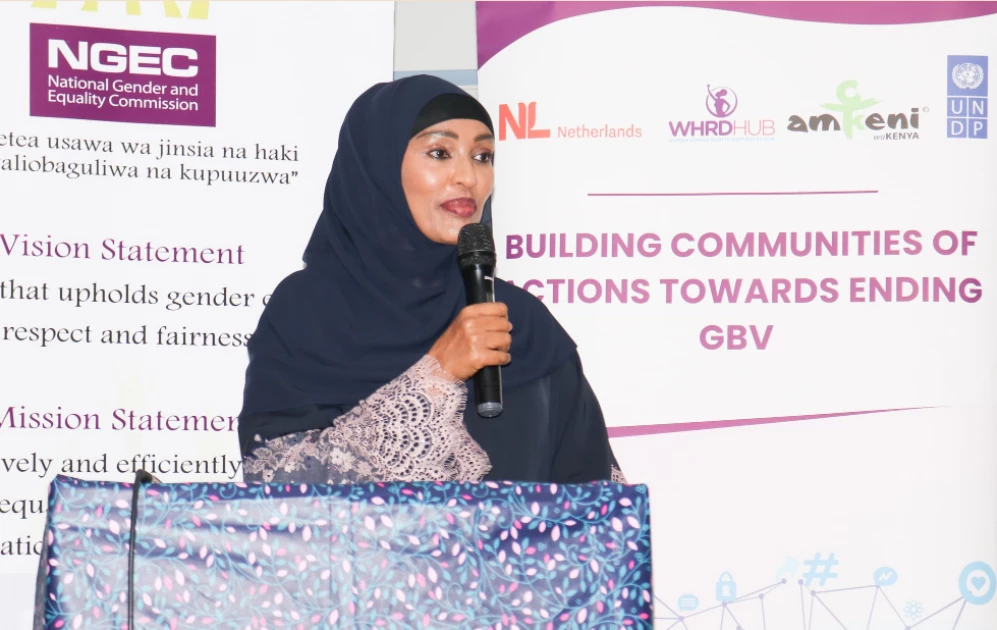
In a statement marking the 2026 Day of the African Child on Tuesday, the Commission said children living in rural areas, informal settlements and Arid and Semi-Arid Lands (ASALs) remain disproportionately affected by inadequate water and sanitation facilities.
A government equality watchdog has warned that deep gaps in access to clean water, sanitation and hygiene are still putting millions of children in Kenya at risk, especially in rural areas, informal settlements and dry regions, despite ongoing efforts to expand basic services across the country.
The National Gender and Equality Commission (NGEC) said many children are still growing up without reliable access to safe drinking water, decent toilets and proper hygiene facilities, raising concerns over health, dignity and equal opportunity.
In a statement issued on Tuesday to mark the 2026 Day of the African Child, the Commission said the situation remains worrying even as progress continues in parts of the country.
This year’s commemoration is being observed under the theme, "Ensuring universal access to water, sanitation and hygiene for every child in Africa," a call by the African Committee of Experts on the Rights and Welfare of the Child pushing for stronger child-focused water, sanitation and hygiene systems across the continent.
"Access to water, sanitation and hygiene is a fundamental child right, a priority and a foundation for health, education, dignity, protection and equality," the Commission said.
While noting that the government, county administrations, development partners and communities have taken steps to improve water, sanitation and hygiene services, NGEC said access remains uneven and inconsistent across regions.
Data from the 2022 Kenya Demographic and Health Survey shows that about 68% of the population has access to at least basic drinking water services. However, the Commission pointed out that this figure drops to 56% in rural areas. It further noted that access to basic sanitation stands at about 41%, while only around half of households have basic handwashing facilities with soap and water.
The Commission said the gaps are still widely felt in learning institutions and vulnerable communities.
"Many schools, rural communities, informal settlements and ASAL areas still experience gaps in safe drinking water, clean toilets, handwashing facilities, menstrual hygiene support and disability-accessible sanitation," the statement said.
NGEC warned that children living in informal settlements are often exposed to overcrowded conditions, shared toilets and safety risks, while recurring droughts and floods continue to disrupt access to water and hygiene services in climate-sensitive areas.
It added that the burden is heavier on certain groups, including girls, children with disabilities, those from poor households, marginalised communities, refugee and displaced children, and those affected by emergencies.
"As we commemorate the Day of the African Child 2026, the Commission calls for bold, coordinated, and sustainable action to ensure no child is left behind in the enjoyment of water, sanitation, and hygiene," NGEC said.
The Commission called on government and other stakeholders to prioritize safe water in all schools and childcare facilities, ensure clean and separate sanitation facilities for boys and girls, and make water and sanitation systems accessible to children with disabilities.
It also urged increased funding for vulnerable regions and stronger integration of water and sanitation programmes into climate change and emergency response plans.
The NGEC reaffirmed its commitment to promoting equality, inclusion and protection from discrimination, stressing that access to basic services is central to a child’s growth, health and dignity.


Comments
Sign in with Google to comment, reply, and like comments.
Continue with Google