Maraga faults compensation plan, says justice incomplete without prosecutions
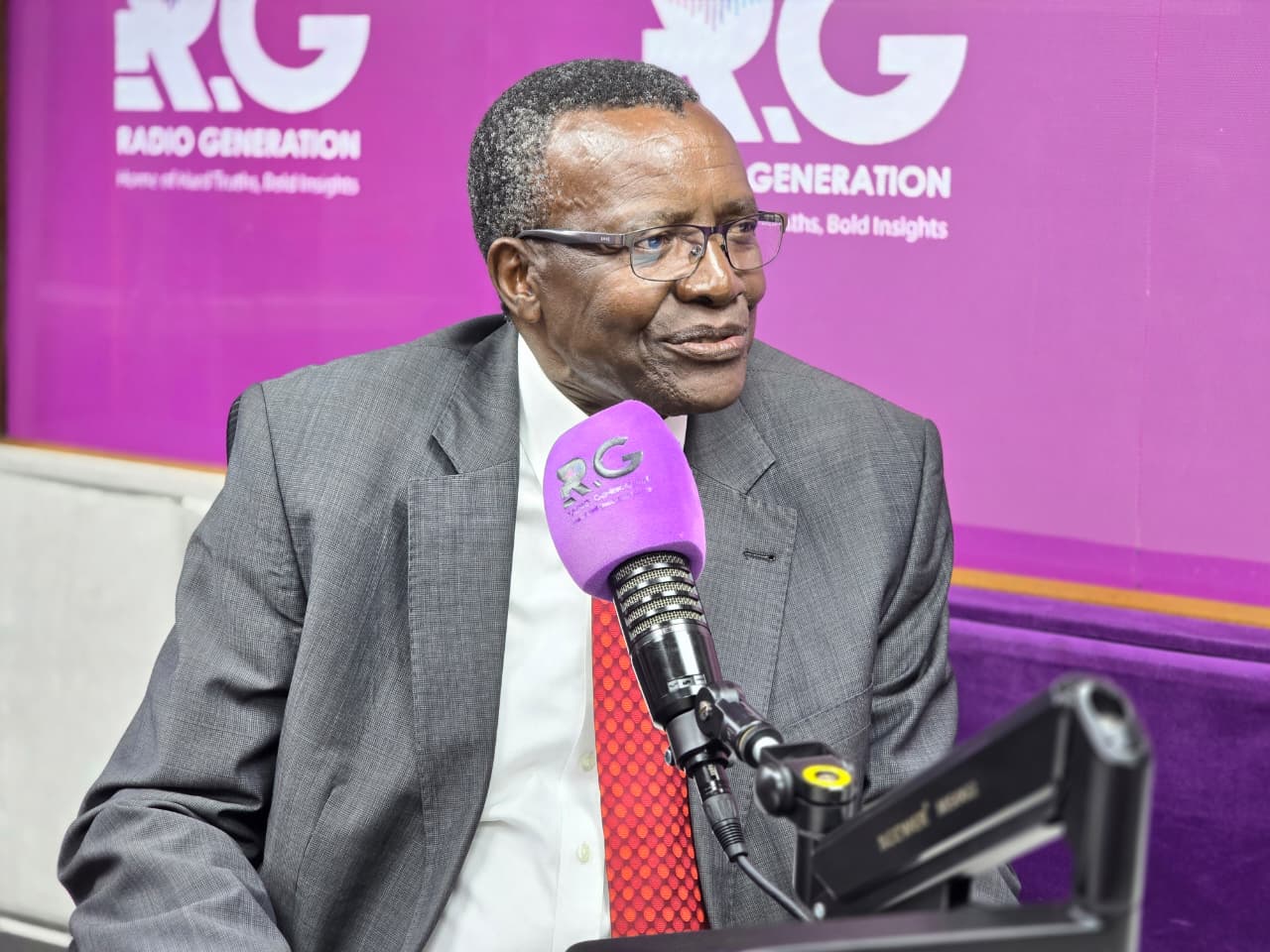
Maraga also questioned the handling of the process, saying victims have not received a formal apology and raising concern that institutions linked to the alleged abuses are involved in managing compensation.
Former Chief Justice David Maraga has criticised the government’s compensation plan for victims of protest-related violence, saying financial payouts without prosecutions of those responsible amount to incomplete justice and fail to prevent future abuses.
Speaking on NTV on Thursday, Maraga said while compensation is necessary for victims and their families, it cannot be treated as the end of justice when no action is taken against perpetrators.
"Of course, the victims must be compensated. That one nobody disputes," Maraga said. "But when you see that no action has been taken against the perpetrators of those crimes, even if you are given that money, you still feel justice has not been done."
His remarks come after the government introduced a reparations framework developed by the Kenya National Commission on Human Rights to address victims of human rights violations linked to protests and demonstrations between 2017 and 2025.
President William Ruto welcomed the report and announced that Sh2 billion had been set aside for compensation, describing it as recognition that harm occurred and part of a broader national healing process.
According to KNCHR, 1,937 claims were received and 1,101 victims have so far been verified for compensation under the programme.
Maraga questioned why compensation is being implemented without parallel criminal accountability, saying justice is incomplete without prosecutions.
"The people who killed, the people who maimed, no action has been taken against them. That's even more important than the money they are being given," he said.
He added that prosecution plays a key role in deterring future violations.
"The whole purpose of prosecution is that today it is Wanjiku, tomorrow it could be you, it could be me. Those crimes should be punished so that people don't go repeating the same things," he added.
Maraga also questioned the handling of the process, saying victims have not received a formal apology and raising concern that institutions linked to the alleged abuses are involved in managing compensation.
Law Society of Kenya president Charles Kanjama echoed similar concerns, noting that while the framework includes broader reparations such as guarantees of non-repetition, it does not clearly set out accountability measures for perpetrators.
Siaya Governor James Orengo also questioned whether financial compensation alone can deliver justice for families who lost loved ones during protests.
He warned that settling deaths and injuries through fixed payouts could weaken efforts to prevent future violations.
"If deaths and injuries resulting from demonstrations can be settled through predetermined compensation, the urgency to prevent such violations diminishes," he said.
He added that without arrests and prosecutions, the reparations programme risks reducing human life to a monetary value and normalising excessive use of force.
The Kenya National Commission on Human Rights has maintained that reparations go beyond financial compensation and should include restitution, rehabilitation, truth-telling, acknowledgement, institutional reforms and guarantees of non-repetition.
The commission said the framework was developed following consultations with victims, civil society groups and state agencies as part of efforts to provide redress for human rights violations linked to protests.




Comments
Sign in with Google to comment, reply, and like comments.
Continue with Google