MPs rein in KRA as push for more tax enforcement powers hits wall
Among the proposals rejected was a plan to remove a legal protection that currently prevents KRA from attaching a taxpayer's bank account once an appeal against a tax assessment has been filed.
A fresh push by the Treasury to hand the Kenya Revenue Authority (KRA) broader powers over taxpayers has run into resistance in Parliament, with MPs rejecting a raft of proposals they say could expose businesses and individuals to unfair tax enforcement measures.
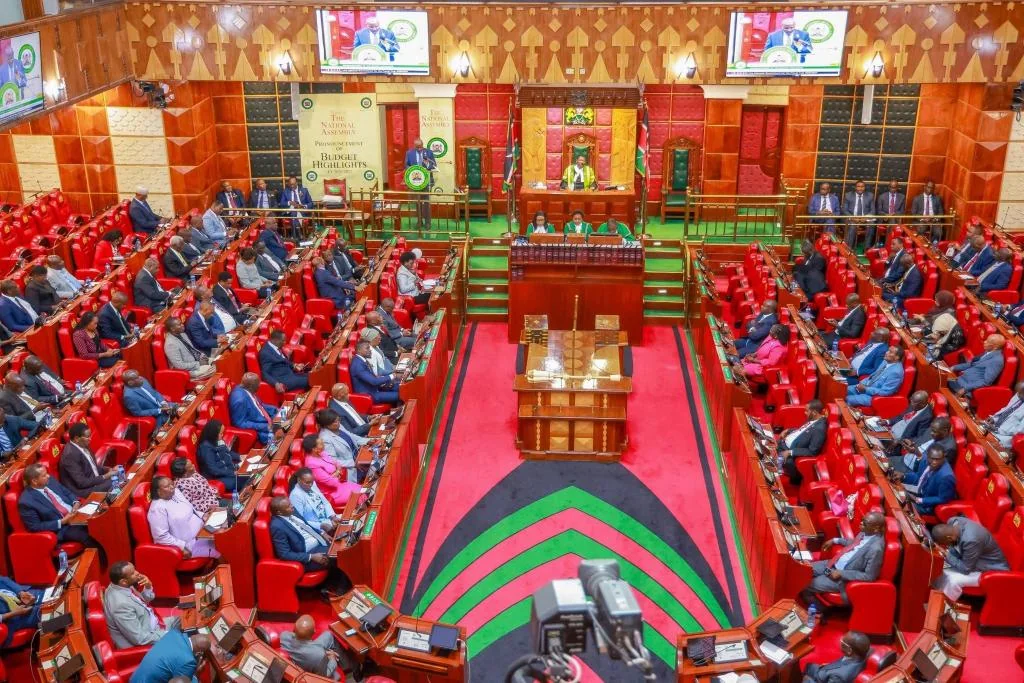
The National Assembly's Finance and National Planning Committee has blocked several amendments to the Tax Procedures Act that would have expanded the authority of the KRA Commissioner General, including plans that could have made it easier for the taxman to freeze bank accounts and recover disputed taxes before appeals are concluded.
Instead, lawmakers have proposed new safeguards aimed at improving accountability at KRA, including compelling the tax authority to disclose the sources of information used when issuing tax assessments and allowing taxpayers to challenge pre-filled tax claims.
The recommendations by the committee, chaired by Kuria Kimani, continue Parliament's recent trend of pushing back against efforts to grant the tax authority wider enforcement powers amid concerns over taxpayer rights.
Among the proposals rejected was a plan to remove a legal protection that currently prevents KRA from attaching a taxpayer's bank account once an appeal against a tax assessment has been filed.
The State had sought to delete Section 42(14)(e) of the Tax Procedures Act, a move that would have opened the door for enforcement action even as disputes remained unresolved.
The proposal attracted opposition from business groups, which argued that allowing KRA to access disputed funds before a final determination is made would place unnecessary pressure on companies and disrupt operations.
“The committee noted that such a measure could result in significant cash flow constraints and operational disruptions for taxpayers, particularly where amounts recovered are later found not to be payable,” the Finance Committee said.
“The Committee further observed that the proposal raises concerns relating to the right to fair administrative action, access to justice, and delays in the refund of amounts collected where taxpayers are successful in their appeals.”
The committee noted that the latest proposal was the fourth attempt in recent years to weaken protections granted to taxpayers under the Tax Procedures Act regarding agency notices.
MPs also declined a proposal that sought to include weekends and public holidays when calculating statutory timelines for lodging tax objections and appeals. According to the committee, such a change would effectively reduce the time available for taxpayers to respond to assessments and increase the likelihood of procedural mistakes.
To strengthen transparency, lawmakers have proposed a new provision, Clause 29A, which would require the KRA Commissioner General to reveal the information sources and calculations relied upon in arriving at tax assessments.
The amendment further places responsibility on the Commissioner General to demonstrate that the information used is accurate and reliable.
The proposal follows attempts through the Finance Bill to allow KRA to generate tax assessments using data obtained from third-party sources, employer filings, electronic tax systems and audit records.
The Finance Bill 2025 had also included provisions seeking to count Saturdays, Sundays and public holidays in the calculation of statutory deadlines for filing objections and appeals before Parliament stepped in.
Another proposal rejected by MPs would have allowed KRA to issue recovery notices against third parties who owe money to a taxpayer even where the taxpayer had challenged the assessment before a tribunal or court.
The Law Society of Kenya was among stakeholders that opposed the proposal, arguing that it would erode key legal protections available to taxpayers.
“The proposal would undermine taxpayers’ rights to justice, appeal and fair administrative action,” LSK said.
The government's drive to strengthen KRA's enforcement powers has been linked to growing pressure to increase domestic revenue collection at a time when tax targets continue to rise.
KRA is expected to collect Sh2.985 trillion in ordinary revenue in the financial year beginning July 1, even as it races to meet the current target of Sh2.784 trillion for the year ending June 30.
Despite rejecting some of the most contentious proposals, MPs supported plans aimed at strengthening KRA's ability to recover revenue collected on behalf of other government agencies.
Under the approved changes, the tax authority will be permitted to use the same mechanisms available for collecting unpaid taxes to recover fees, levies and charges owed to government entities, treating them as civil debts due to the State.
Lawmakers also backed the reintroduction of a one-year tax amnesty beginning July 1 for liabilities accumulated up to December 31, 2025.
However, the committee warned that repeated amnesty programmes could discourage compliance among taxpayers who regularly meet their obligations.
“The repeated use of tax amnesty programmes may create moral hazard by weakening the culture of voluntary compliance as some taxpayers may delay payment of taxes in anticipation of future waivers on penalties and interest,” the Finance Committee said.
“This may create an unfair environment where compliant taxpayers bear the burden while non-compliant taxpayers benefit from future relief measures.”



Comments
Sign in with Google to comment, reply, and like comments.
Continue with Google