US and Iran agree 14-point ceasefire extension deal, reopen Strait of Hormuz
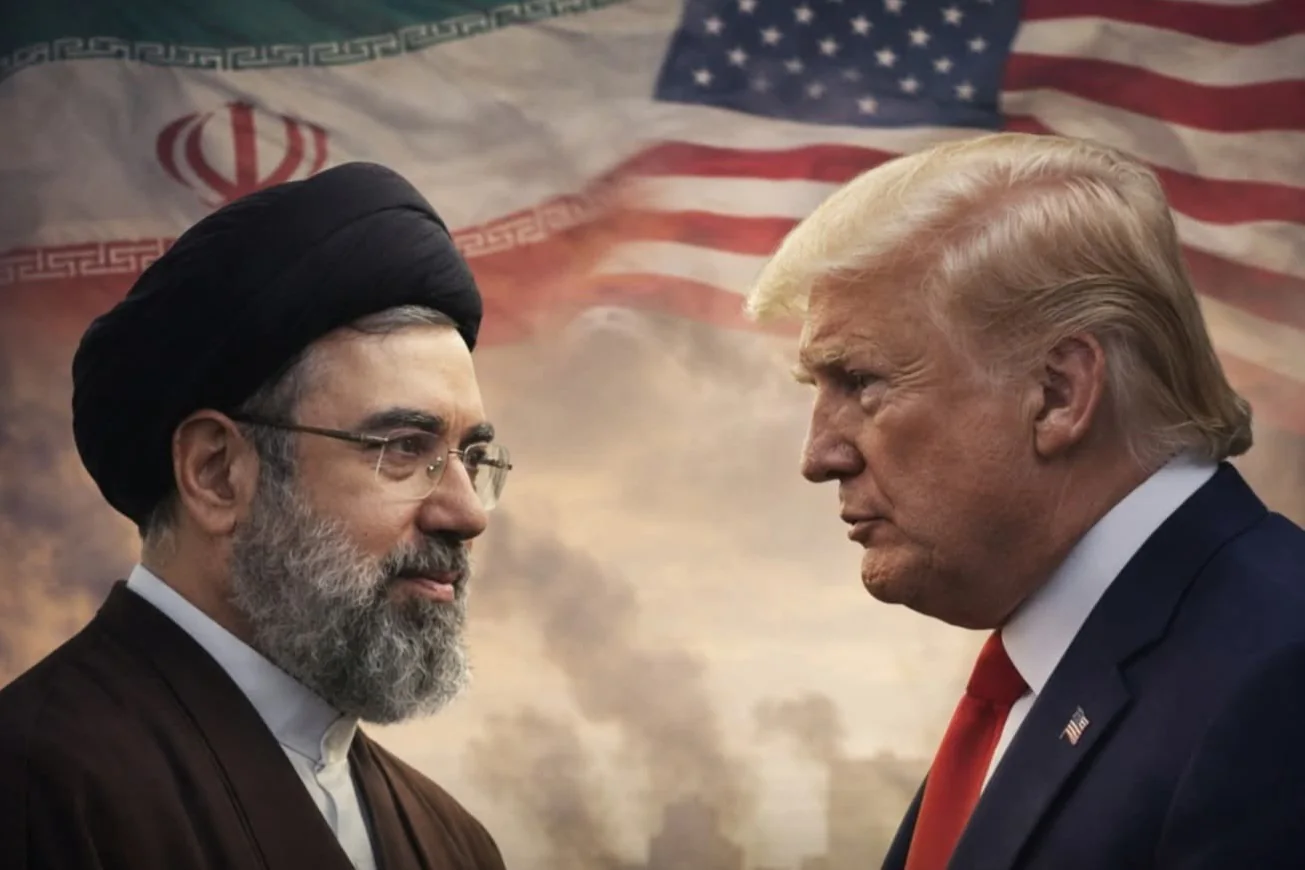
The pact commits Iran to never acquiring a nuclear weapon, outlines plans for a $300 billion reconstruction and economic development framework, and provides a pathway for lifting US sanctions and releasing frozen Iranian assets.
The United States and Iran have agreed to a new 14-point Memorandum of Understanding extending their ceasefire, reopening the Strait of Hormuz, and setting a 60-day window for talks aimed at reaching a final peace settlement between the two countries.
The agreement lays out a wide-ranging framework covering security, nuclear commitments, economic recovery, and sanctions relief. It also outlines Iran’s pledge not to pursue nuclear weapons, alongside plans for a $300 billion reconstruction and economic development programme, as both sides move toward restoring diplomatic and economic ties.
The document was signed by US President Donald Trump and Iranian President Masoud Pezeshkian, and officially took effect on Wednesday. President Trump signed the agreement while attending the G7 summit in Evian-les-Bains, France.
The White House described the arrangement as "performance-based", meaning Iran’s access to economic benefits will depend on how well it meets its commitments under the deal.
Under the terms of the MoU, both countries have agreed to an immediate and permanent halt to military operations. The agreement states that neither side will carry out attacks or issue threats against the other, while also committing to respect sovereignty and territorial integrity.
A central element of the deal is the reopening of the Strait of Hormuz for commercial shipping. Iran is required to ensure immediate resumption of maritime traffic through the route, which is vital for global energy supplies. The agreement states that vessels will be granted safe passage without charge while technical measures, including de-mining operations, are carried out.
In response, the United States has begun lifting its naval blockade and agreed to remove restrictions affecting Iranian ports. The blockade is expected to be fully lifted within 30 days.
The agreement also sets a maximum of 60 days for negotiations toward a final settlement, although both sides may agree to extend the timeline if needed.
On the nuclear issue, Iran has committed not to acquire or develop nuclear weapons. The document notes that Tehran’s existing enriched uranium stockpile will be handled through a mechanism to be agreed in future talks, under oversight of the International Atomic Energy Agency (IAEA).
At the same time, the United States has agreed to begin a process that could lead to the lifting of sanctions on Iran. While no timetable has been fixed, both sides have committed to immediate talks on sanctions relief, frozen assets, and wider economic cooperation.
The MoU also proposes a reconstruction and development framework valued at no less than $300 billion. US officials clarified that Washington will not directly fund the programme, which is expected to involve regional and international partners.
Pakistan Prime Minister Shehbaz Sharif said he played a mediating role in the negotiations and confirmed that the agreement had been electronically signed by both governments.
"I am honoured to announce that the historic Islamabad Memorandum of Understanding has been electronically signed today between the United States of America and the Islamic Republic of Iran," Sharif said in a statement.
"The signing of this agreement at the highest level of the respective governments demonstrates the commitment of both sides to a diplomatic resolution of the conflict," he added.
Sharif confirmed that the agreement takes effect immediately, saying that "the Islamic Republic of Iran will instantly reopen the Strait of Hormuz and the United States of America will immediately lift the naval blockade."
He praised President Donald J. Trump for his role in the breakthrough, saying, "I offer my heartfelt congratulations and sincere appreciation to President Donald J. Trump whose steadfast commitment to diplomacy and preference for peaceful resolution have once again helped end a conflict that could have led to devastating consequences for the region and beyond."
Sharif also commended Iranian leadership, including Supreme Leader Ayatollah Seyyed Mojtaba Hosseini Khamenei and President Pezeshkian, for what he called their "wisdom, foresight and statesmanship in embracing the cause of peace".
He further acknowledged the support of Qatar, Saudi Arabia, Türkiye, and Egypt, describing their role as "indispensable" in helping secure the agreement. He also credited Pakistan’s Chief of Army Staff, Field Marshal Syed Asim Munir, for what he termed his "instrumental role" in facilitating the breakthrough.
Despite the major diplomatic step, several key issues remain unresolved and will be discussed in the upcoming negotiations. The final agreement is expected to include a monitoring system to ensure compliance and could later be presented for endorsement through a binding United Nations Security Council resolution.
For now, the deal marks the most significant breakthrough in months of conflict involving the United States, Iran, and Israel, which escalated four months ago, and raises cautious hope that a broader and more lasting peace arrangement may follow.


Comments
Sign in with Google to comment, reply, and like comments.
Continue with Google