Inside National Police Service plan to stop gang-linked political violence before elections
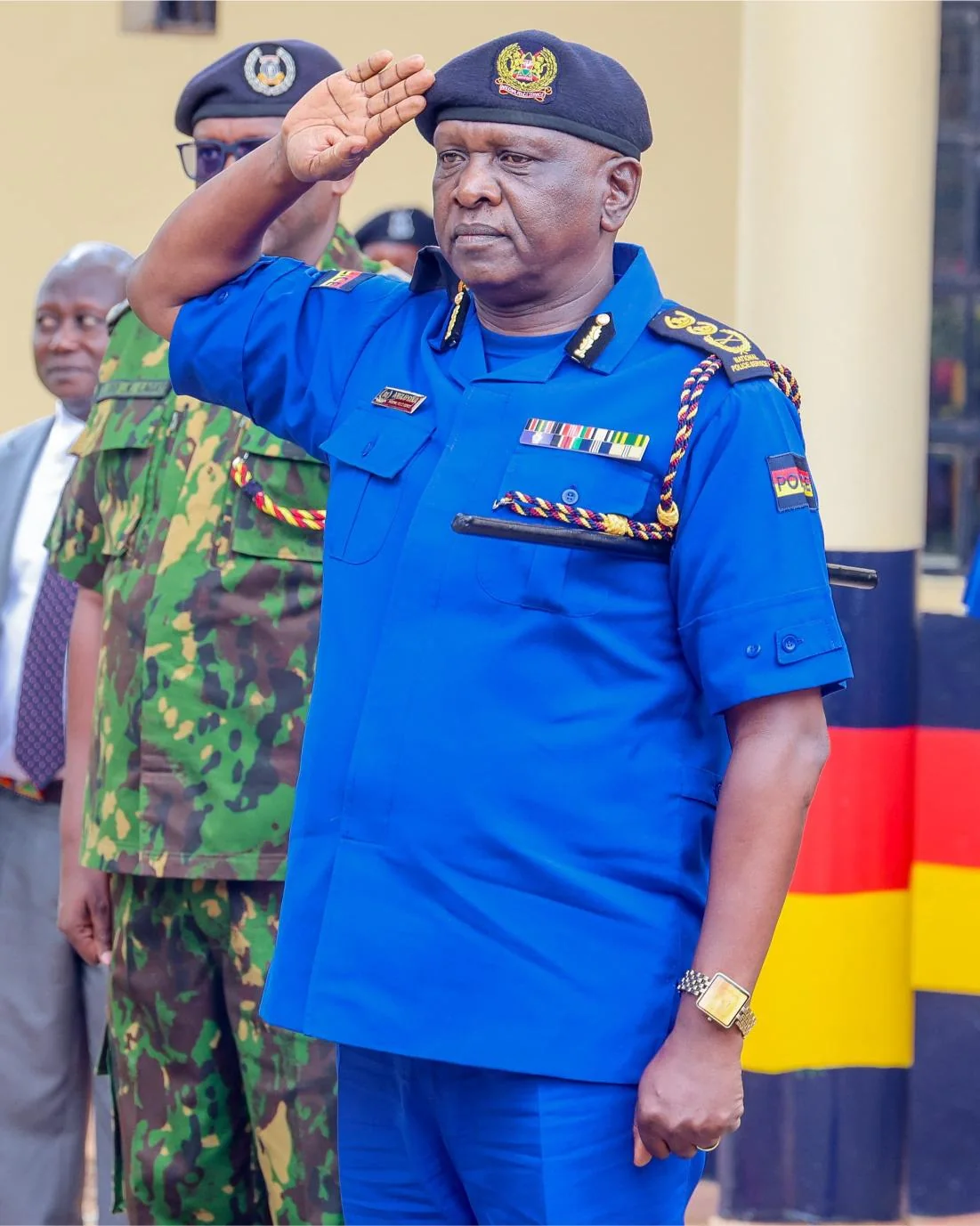
Under the new framework, police commanders will be expected to closely monitor political activities in their areas, identify groups likely to cause disruptions and take action before incidents escalate into violence.
Police commanders across the country have been ordered to identify, track and dismantle criminal gangs being used to disrupt political and public events, as security agencies move to contain growing concerns over organised violence ahead of the 2027 General Election.
The directive was issued during a high-level security conference chaired by Inspector-General Douglas Kanja at the National Police Leadership Academy in Ngong on Wednesday, where senior officers from across the country were tasked with developing targeted plans to detect and break up gang networks operating within their jurisdictions.
The meeting marked the beginning of a nationwide operation that will rely heavily on intelligence gathering, surveillance and early intervention to stop violence before it occurs.
Security officials said the strategy is intended to strengthen preventive policing by focusing not only on individuals carrying out attacks but also on those coordinating and funding them.
Under the new framework, police commanders will be expected to closely monitor political activities in their areas, identify groups likely to cause disruptions and take action before incidents escalate into violence.
Officers have also been directed to strengthen cooperation with local administrators and community members to improve the flow of intelligence.
Particular attention will be placed on areas where criminal groups are known to recruit young people for political activities, with authorities seeking to disrupt such networks before they are activated during political events.
Kanja told commanders that the police service must remain independent and professional, warning against any form of political influence in operational matters.
“The issue of gangs is taking our country down a very bad path, and we must stop it now. We caution and urge parents to take care of their children before they become guests of the State,” he said.
The renewed focus on gang activity comes days after a group of rowdy youths stormed a public participation forum on the national budget at All Saints Cathedral in Nairobi, attacking participants and worshippers in an incident that sparked widespread concern about the use of organised groups to interfere with civic engagements.
Police have already arrested five suspects linked to the attack, with four remaining in custody as investigations continue. Authorities say detectives are pursuing additional suspects and are expanding inquiries to establish who planned and financed the disruption.
“We have arrested the five, and we are going for the rest. There are many more and they will face the rule of law on their own. There will be no sponsors,” Kanja said.
According to officials familiar with the discussions in Ngong, commanders were instructed to make intelligence-led policing the centre of all security operations, particularly in regions experiencing increased political activity.
The country's eight regional police commands have now been directed to work closely with county and sub-county officers to monitor developments on the ground and identify warning signs that could point to planned disturbances.
Security agencies believe criminal gangs are increasingly being mobilised to intimidate opponents, interrupt meetings and create disorder during political activities. Officials say this trend has prompted a change in approach, with police now seeking to neutralise such groups before they carry out attacks.
At the same time, the Directorate of Criminal Investigations (DCI) has stepped up efforts to strengthen evidence gathering through the analysis of CCTV recordings, mobile phone data and other digital material collected from recent incidents.
Investigators say the aim is to improve the quality of prosecutions and address challenges that have previously allowed suspects arrested during chaotic political confrontations to avoid conviction.
Detectives have been instructed to focus on proving the role played by individual suspects and tracing the chain of command behind organised acts of violence. Authorities believe this approach will make it easier to hold both perpetrators and those directing operations accountable.
Senior security officials also agreed that efforts to eliminate gang activity must target the broader networks supporting such groups, including organisers and financiers who rarely appear at the scene of incidents but play a central role in planning and coordination.
The operation will be carried out jointly by the Kenya Police Service, Administration Police Service and the DCI, with the agencies expected to work together in identifying and dismantling criminal structures before political competition intensifies.
Speaking during the commissioning of a new Administration Police block at Kiamumbi Police Station, Kanja said county commanders had been given clear instructions to tackle the problem decisively.
“I had a conference with all the county commanders on Tuesday. I wanted them to get it from me. I told them that they must deal with the issue of goons once and for all,” he said.
The Inspector-General warned those engaging in gang-related activities that they would bear personal responsibility for their actions and would not be shielded by the groups they operate with.
“I want to caution those who are involved in goonism.
You will be arrested alone and face the court alone. You will not show up as a group. Once you arrive in court, you will be alone and we will deal with you squarely,” he said.
Kanja further said police would pursue every level of the criminal networks behind recent incidents, from the individuals carrying out attacks to those financing and directing them.
“We do not care where you come from or what you are. We will deal with you firmly. We have already arrested five people. You are going to see more arrests— the leaders of the gangs and the sponsors of these goons,” he said.
He added that commanders from all eight police regions had already been briefed on their responsibilities, signalling a broader shift towards intelligence-based policing as security agencies prepare for increased political activity in the lead-up to the 2027 elections.




Comments
Sign in with Google to comment, reply, and like comments.
Continue with Google