
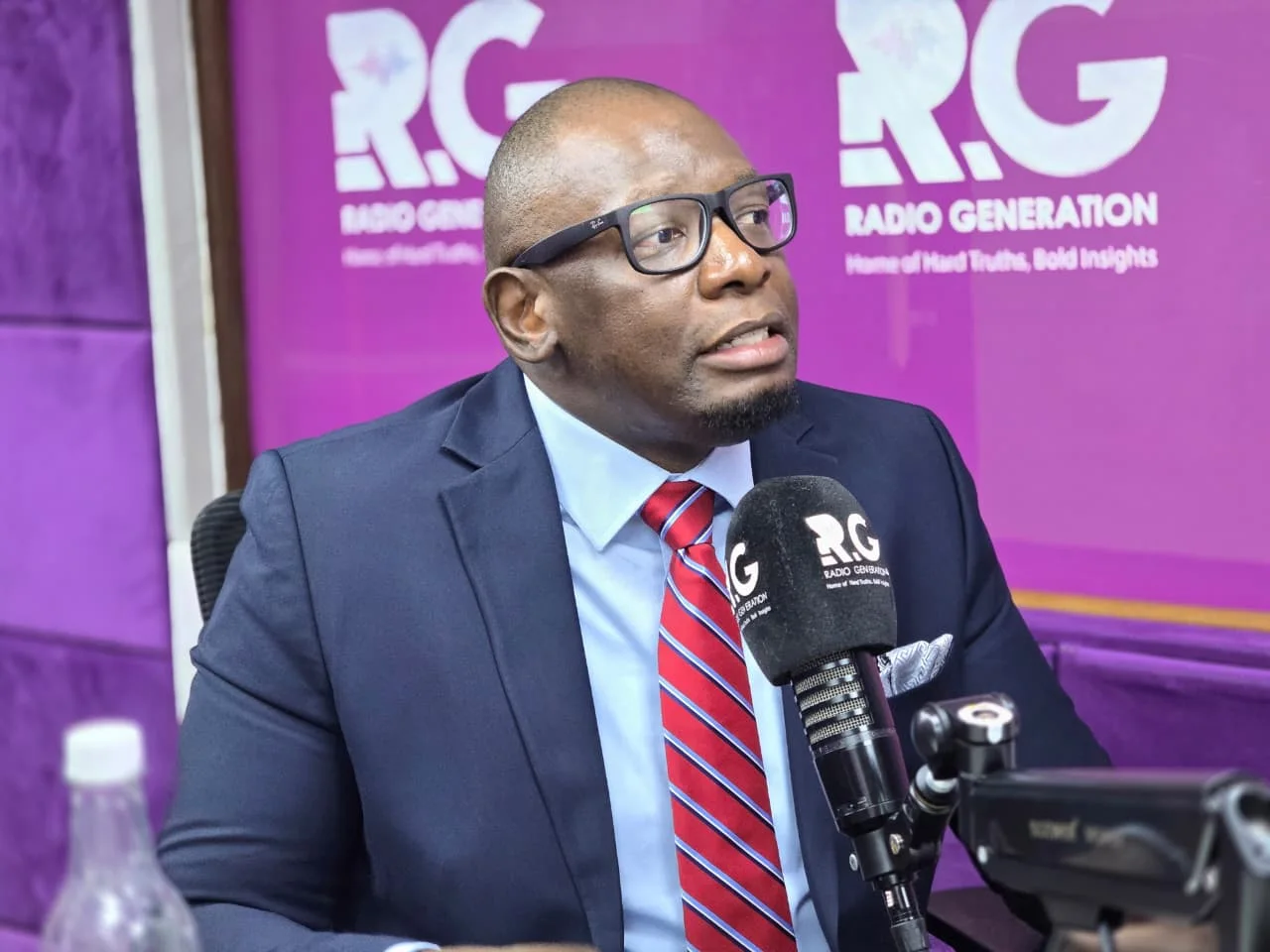
Kenya’s AFCON 2027 Local Organising Committee Secretariat Head Tony Lungaho says the planned Bayern Munich-Ajax friendly at the Raila Odinga International Stadium is part of a broader strategy to market the country as an international sports tourism destination ahead of the 2027 Africa Cup of Nations (AFCON).
Lungaho says the high-profile fixture is expected to reach audiences in 180 countries, showcase Kenya’s sporting infrastructure and help attract at least 500,000 international visitors between January and July 2027.
Speaking on Radio Generation on Monday, he said the decision to invite the two European clubs was informed by their global following and the need to expose Kenya to as many international audiences as possible before hosting AFCON.
“The choice of Bayern and Ajax was because, of all the teams available during this winter break, they are the ones with the biggest following. Combined, they have almost half a billion followers,” Lungaho said.
He added that the match generated more than one billion social media impressions within its first nine days of announcement, with ticket purchases recorded from countries including Kazakhstan.
The organising committee is targeting at least 500,000 visitors during the period, arguing that the numbers will help generate revenue to offset the estimated US$700 million cost of hosting AFCON.
“Morocco brought in 1.1 million. We are starting from a conservative base of saying let us get half of that, which is possible because we have more attractions. We have the Mara, the beaches and everything within East Africa, including attractions in Uganda and Tanzania,” he said.
Lungaho said the international exposure would also help generate revenue through broadcast rights, with the match expected to be carried on television in 180 countries.
He explained that the fixture was selected after considering European leagues with a winter break and the popularity of available clubs, adding that the committee wanted to give international audiences a glimpse of Kenya's sporting facilities ahead of AFCON.
The match will also serve as a test of the stadium's ability to generate revenue independently through corporate sponsorships, ticket sales and other events.
“This match shows that when something is fully supported from corporate Kenya and ticket sales, it can self-sustain. If it depends on government revenue or government funding for maintenance, we are going to have a white elephant,” he said.
Lungaho added that organisers were planning a full-day experience featuring a food festival, concert and football match, while promising enhanced security arrangements following lessons learnt during the African Nations Championship (CHAN).
Tickets for the fixture start at Sh2,500, with Lungaho revealing that 87,000 people were online when the first batch went on sale. The initial allocation sold out within 14 hours, with the cheapest tickets snapped up in eight minutes.
The planned friendly match has, however, attracted criticism from opposition leaders, particularly over the decision to prioritise foreign clubs over local teams and questions about the financial arrangements.
Former Deputy President and Democracy for the Citizens Party (DCP) leader Rigathi Gachagua questioned why Kenyan clubs had been overlooked for the stadium's inaugural match.
“How can a stadium that will cost Sh145 billion to be paid for by taxpayers — the people of Kenya — have the first game played by foreigners? Don’t we have teams in Kenya?” he asked.
Nyandarua Senator John Methu questioned the financing of the event, asking: “Is the stadium too good to be opened by taxpayers?”
The criticism has also extended to court, where a group of citizens and human rights activists filed a petition seeking to stop the use of public funds for the match and compel disclosure of the sponsorship agreements and financial arrangements