Most diaspora remittances used for food as households battle rising living costs – KNBS report
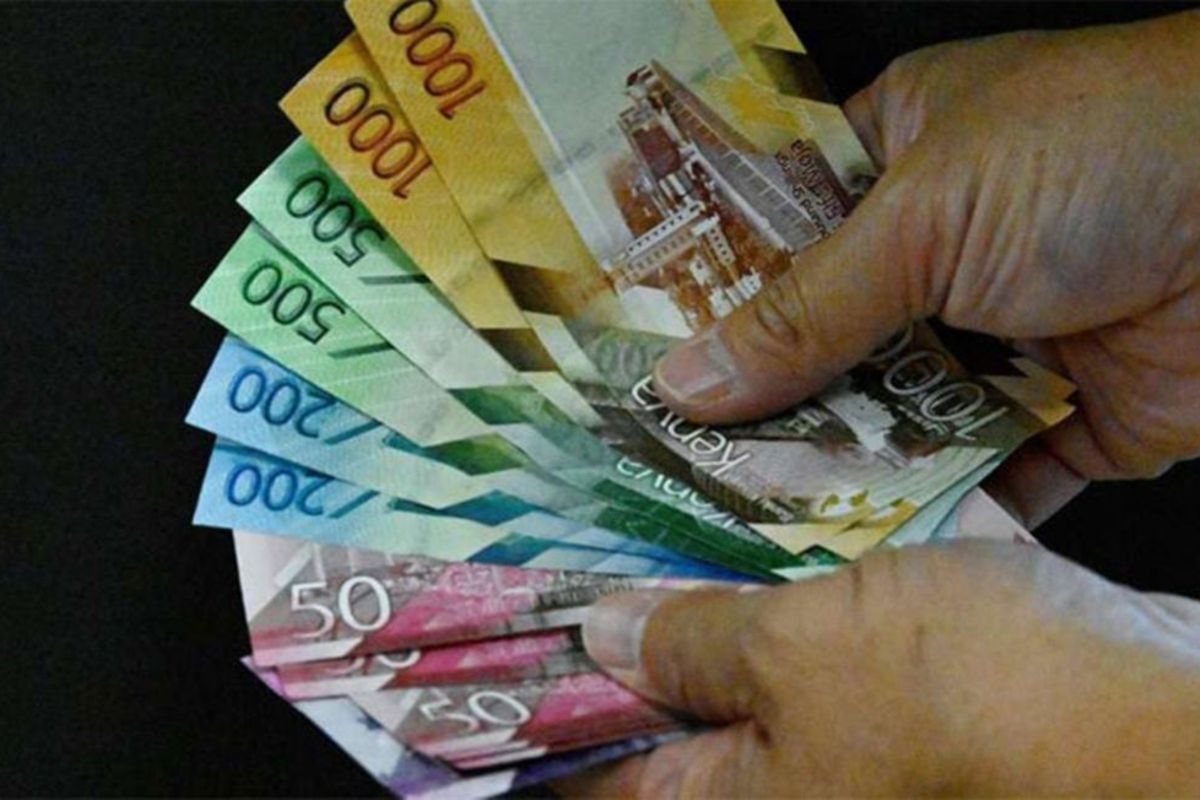
The report, launched on Tuesday, June 16, revealed that Kenyans living abroad sent home remittances worth Sh931.8 billion between June 2024 and May 2025, with a significant share of the money directed towards consumption rather than investment.
73.1 per cent of remittance recipients used the funds to buy food and meet daily household needs, according to the 2025 Remittances Household Survey Report by the Kenya National Bureau of Statistics (KNBS), highlighting the critical role diaspora earnings continue to play in cushioning Kenyan families against the rising cost of living.
The report, launched on Tuesday, June 16, revealed that Kenyans living abroad sent home remittances worth Sh931.8 billion between June 2024 and May 2025, with a significant share of the money directed towards consumption rather than investment.
Education-related expenses emerged as the second-largest use of remittances, with 31.4 per cent of recipient households saying they spent the money on school fees and other education costs.
Medical expenses ranked third at 23.9 per cent, underscoring the extent to which diaspora earnings have become a lifeline for households seeking access to healthcare.
The survey further found that 19.8 per cent of recipients used remittances to purchase clothing, while 9.3 per cent spent the money on rent and household utilities.
In contrast, relatively few households channelled remittance inflows into wealth-creation activities. Only 8 per cent of respondents said they used the funds for farming activities, while 3.1 per cent allocated the money towards debt repayment.
Construction projects accounted for 2.6 per cent of remittance use, while investment in real estate recorded the lowest share at just 2.2 per cent.
Overall, Kenya received Sh931.8 billion in remittance inflows during the reference period, comprising Sh848.3 billion in cash transfers and Sh83.5 billion in in-kind support, including goods and other non-cash transfers.
Cash remittances dominated household receipts, accounting for 91 per cent of the total value received, compared with 9 per cent for in-kind transfers.
The report also showed that women were the primary beneficiaries of diaspora earnings, accounting for 60.3 per cent of remittance recipients, compared with 37.9 per cent for men.
At the same time, Kenya recorded remittance outflows worth Sh41.1 billion. The survey identified the high cost of sending money as the biggest challenge facing remittance users, with 67.3 per cent of respondents citing transaction charges as a major obstacle.
Other concerns raised included long transfer times, distance to service points, inaccessible services, lack of privacy, unfavourable exchange rates, insecurity and stringent regulatory requirements.
Speaking during the launch, KNBS official Benjamin Muchiri said the survey sought to capture both formal and informal remittance flows that are often missed by existing reporting systems.
The survey adopted a cross-sectional design and a two-stage stratified cluster sampling approach. Enumeration Areas (EAs) with higher numbers of migrants were given a greater probability of selection.
"We ended up with 444 EAs and approximately 4,440 households," Muchiri said, adding that the survey was conducted in August 2025 using a 12-month reference period covering June 2024 to May 2025.
"Overall, we had a response rate of 78 per cent nationally," he noted, with rural areas recording higher response rates than urban areas.



Comments
Sign in with Google to comment, reply, and like comments.
Continue with Google