Kindiki urges urgent protection of oceans at first Africa-hosted global ocean summit
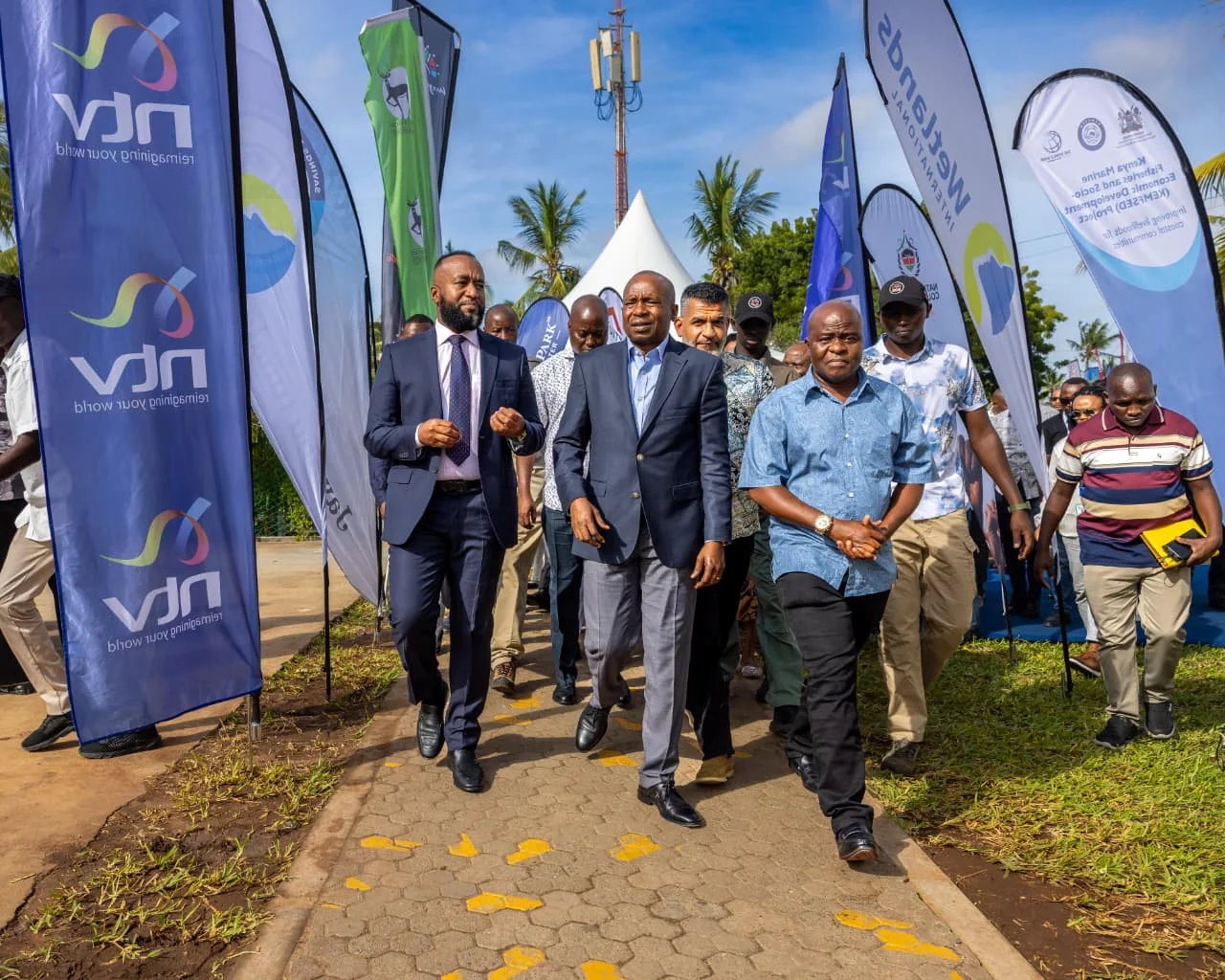
Deputy President, Kithure Kindiki stressed that the blue economy should be anchored on sustainability rather than exploitation
Kenya has urged the world to move faster in protecting oceans as leaders, experts, and delegates gathered in Mombasa for the 11th Our Ocean Conference, marking the first time the global forum is being held on African soil.
The meeting opened with a strong call for shared responsibility, increased financing, and practical action to safeguard marine ecosystems facing pressure from climate change, pollution, and rising human activity.
Speaking during the official opening ceremony held at PrideInn Hotel in Mombasa on Wednesday, Deputy President Kithure Kindiki said the gathering reflected both a milestone for Africa and a reminder that oceans remain central to global survival, trade, and development. He welcomed participants to Kenya, noting the importance of Mombasa as a historic coastal hub.
“It is my great honour to welcome all of you to Kenya, and in particular, to the historic city of Mombasa. The People and Government of Kenya are pleased to host you here for this 11th Edition of Our Ocean Conference, the first time it is being held in Africa,” he stressed.
Kindiki said the event theme, “Our Ocean, Our Heritage, Our Future”, comes at a critical moment following the release of the United Nations’ third World Ocean Assessment Report, which highlights growing threats to marine environments across the globe.
He said oceans continue to face serious strain from human activities and environmental changes, warning that the situation requires urgent global attention. Quoting the report, he noted that oceans “continue to be under severe anthropogenic pressure, from the surface to the deep sea, driven by climate change, pollution, and increased human activities.”
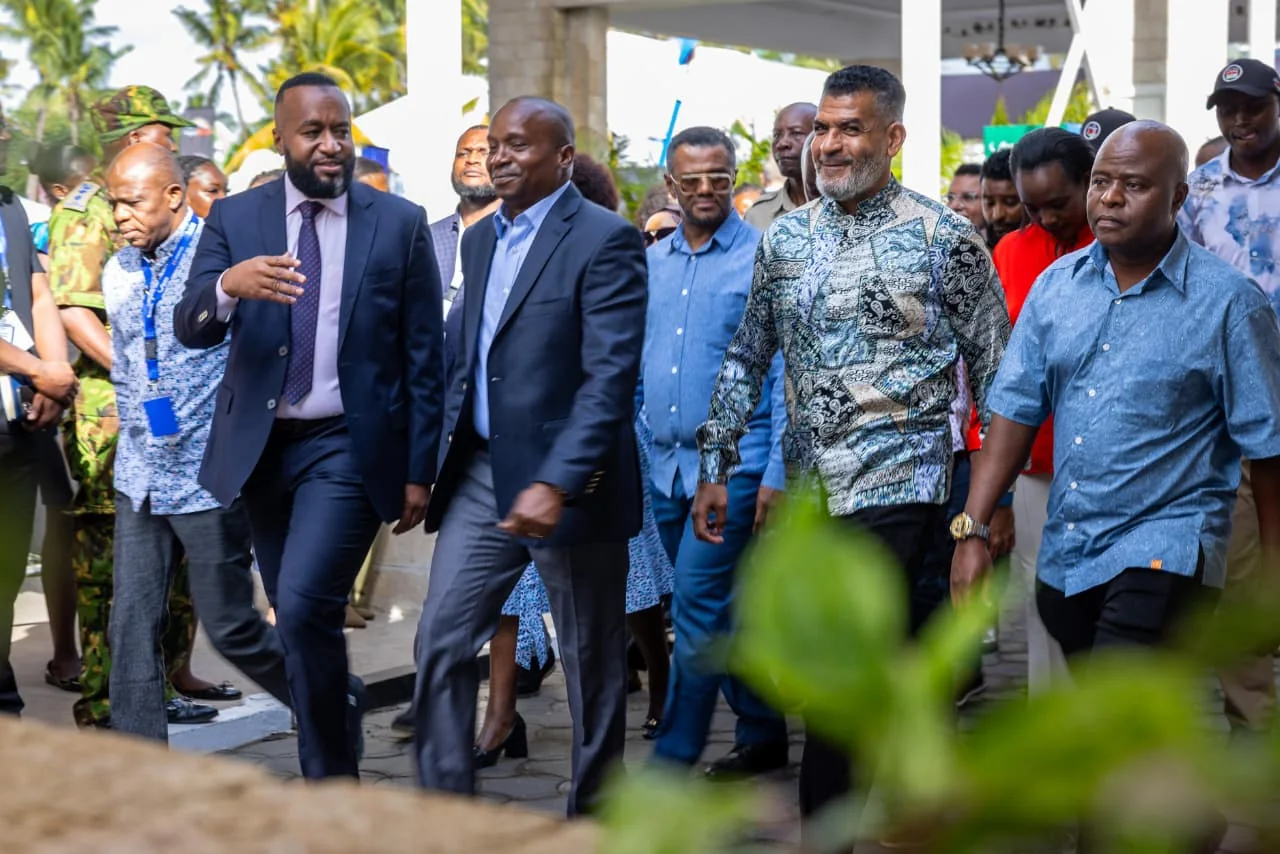 CS for Mining Hassan Joho, Deputy President Kithure Kindiki and Mombasa Governor Abdullswamad Nassir arrive at Shanzu, Mombasa for the 1th Our Ocean Conference on June 17, 2026.PHOTO/DPCS
The Deputy President said Africa has long been closely tied to the ocean, with coastal communities depending on it for trade, culture, and livelihoods over centuries.
“From the dhow fleets of the Swahili coast to the bustling ports of Dakar and Abidjan, from the coral reefs of Madagascar to the mangroves of Mozambique, from the Mediterranean shores of Tunisia and Egypt to the Red Sea gateways of Djibouti and Sudan, our seas have shaped our civilizations, sustained our economies, and connected our cultures,” he highlighted further.
Kindiki pointed out that the global ocean economy is currently estimated at about Sh425.7 trillion each year, contributing around 2.5 percent of global gross domestic product. He added that this value is expected to rise to about Sh709.5 trillion by 2030, driven by sectors such as shipping, fisheries, tourism, offshore energy, and marine biotechnology.
He cautioned that despite its economic importance, the blue economy must not be driven by exploitation but by careful management and long-term protection.
“The Blue Economy is not simply about extracting value from the ocean. It is about stewardship, equity, and resilience. It is about ensuring that the mangroves that protect our coasts, the coral reefs that support fisheries, and the shipping lanes that connect our markets are preserved for future generations.”
The Deputy President reaffirmed Kenya’s support for global agreements aimed at protecting the environment, including the Paris Agreement, the Kunming-Montreal Global Biodiversity Framework, and the global goal of conserving 30 percent of marine and coastal areas by 2030.
He also said Kenya supports the implementation of the Biodiversity Beyond National Jurisdiction Agreement and called for stronger legally binding rules to address plastic pollution across its entire lifecycle.
Kindiki outlined ongoing efforts in the country to strengthen ocean protection and expand the blue economy. These include the expansion of marine protected areas, restoration of mangroves and seagrass ecosystems, development of green ports, creation of seafaring jobs, and investment in blue carbon projects and ocean-based renewable energy.
He said these efforts are aimed at ensuring that economic growth along the coast goes hand in hand with environmental protection and community benefit.
As he officially declared the conference open, Kindiki called on nations to turn global commitments into real action and measurable progress.
“Let us make Our Ocean Conference 11 a turning point. Let us match words with action. Let us turn the tide,” he said.




Comments
Sign in with Google to comment, reply, and like comments.
Continue with Google