Africa must resolve its own disputes, Ruto tells Chief Justices Summit
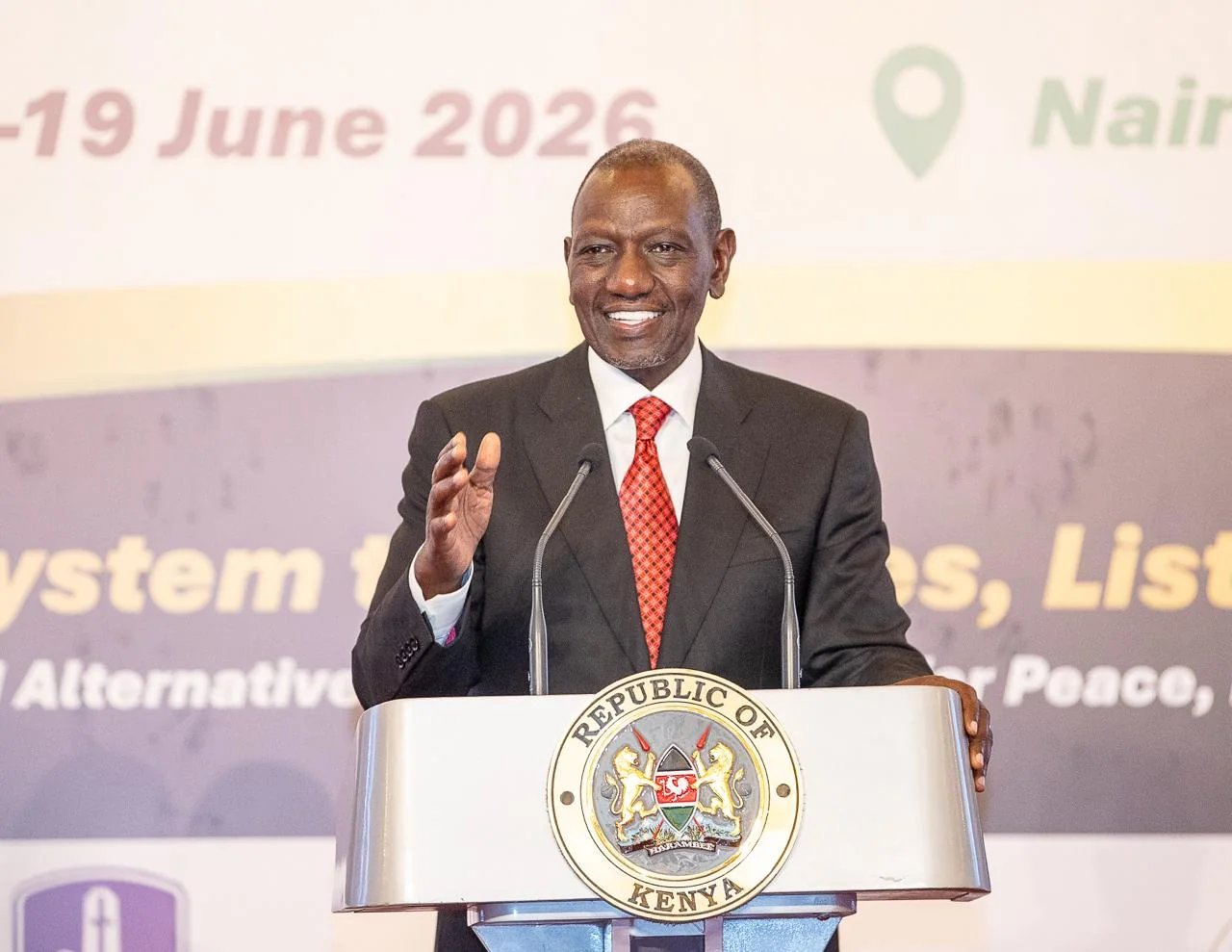
Ruto cited Rwanda’s Gacaca courts as an example of community-based justice, saying the system handled close to two million cases through thousands of local tribunals after the 1994 genocide.
President William Ruto has urged African judiciaries to reframe alternative dispute resolution (ADR), arguing that it is not a modern substitute for courts but a return to Africa’s traditional justice systems.
Speaking on Thursday at the Africa Chief Justices’ Alternative Dispute Resolution Summit in Nairobi, Ruto said the term “alternative” misrepresents Africa’s historical experience in resolving disputes.
“The word alternative is misleading. In Africa, the resolution of disputes through dialogue is not the alternative. It has never been; it is the original and the only justice system,” he said.
He noted that before colonial-era courts, African communities relied on elders, village assemblies, and restorative dialogue to settle disputes.
“Litigation is the import. Reconciliation is the inheritance,” he said.
Ruto cited Rwanda’s Gacaca courts as an example of community-based justice, saying the system handled close to two million cases through thousands of local tribunals after the 1994 genocide.
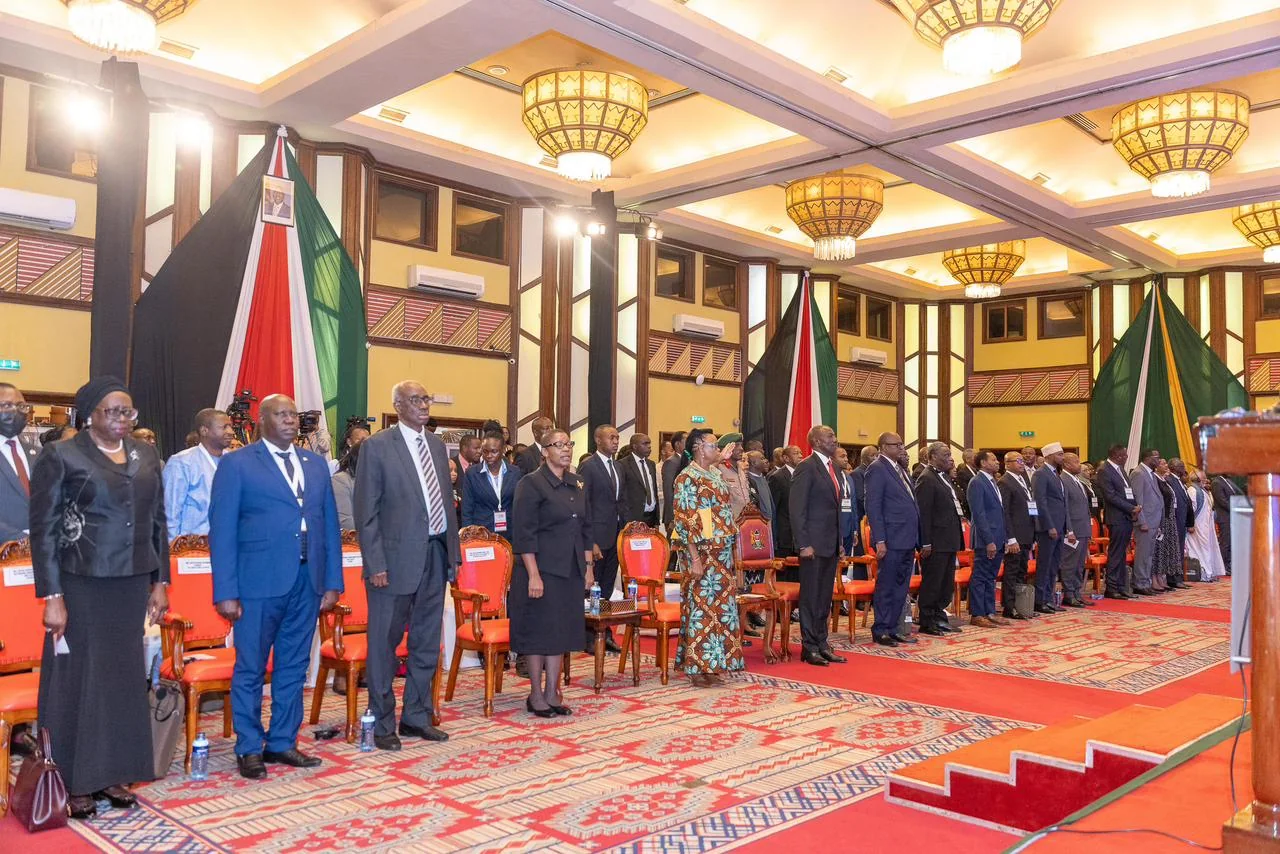 President William Ruto and Judicial officials at the 3rd Chief Justice's Alternative Dispute Resolution (ADR) Forum, Nairobi on June 19, 2026.PHOTO/PCS
In Kenya, he pointed to constitutional provisions that support ADR, including mediation, arbitration, and traditional dispute resolution mechanisms. He said court-annexed mediation has returned more than Sh52 billion to the economy and helped restore thousands of relationships since 2016.
“Our Constitution anchored alternative dispute resolution in our supreme law,” he said.
The President also highlighted progress in the Judiciary, noting a 104 per cent clearance rate last year and a significant reduction in case backlog.
He further pointed to community justice initiatives such as the Al-Islaah Alternative Justice Centre in Garissa, saying they demonstrate how culturally grounded systems can resolve disputes more effectively at the local level.
Ruto also framed ADR as an economic issue, warning that Africa risks losing value if commercial disputes continue to be resolved outside the continent under the African Continental Free Trade Area (AfCFTA).
“Why do we still ship out our disputes? Why does African justice, like African produce, so often earn its premium somewhere else?” he posed.
He noted that fewer than eight per cent of arbitrators in leading global institutions are African, while none of the world’s top arbitration centres are located on the continent.
“Let us resolve African disputes on African soil by African jurists under African institutions. That is not protectionism. That is sovereignty,” he said.
Ruto also cited global estimates showing that billions of people lack access to effective justice systems, saying ADR offers a practical solution for ordinary citizens.
“Alternative dispute resolution is not a convenience for the powerful. It is the only scalable road to justice for the ordinary citizen,” he said.
He called on African governments to invest more in judiciaries, describing it as a strategic investment in stability, economic growth, and public trust.
The President said Africa must build justice systems that serve citizens more directly and align with the continent’s development agenda.


Comments
Sign in with Google to comment, reply, and like comments.
Continue with Google