MPs clear Finance Bill 2026, paving way for Ruto’s assent
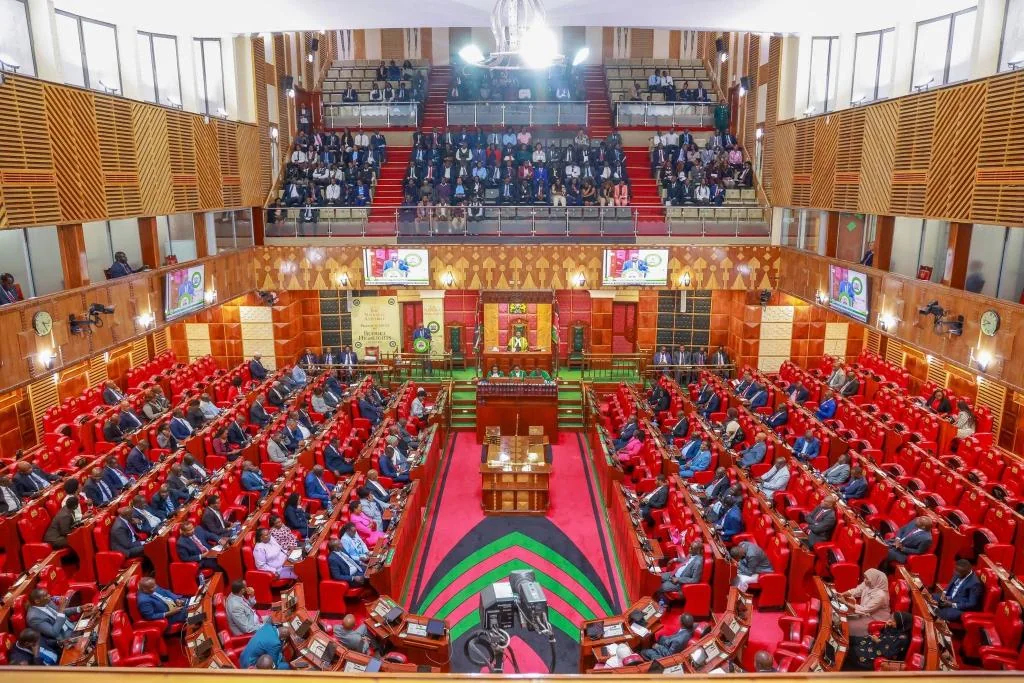
A total of 122 MPs supported the Bill while 40 voted against it, with no abstentions recorded.
The National Assembly has given approval to the Finance Bill, 2026 after a recorded electronic vote, moving the proposed law to President William Ruto for assent as part of the government’s push to roll out new tax and revenue reforms for the 2026/2027 financial year.
The approval came on Thursday evening after MPs endorsed all changes tabled by the Finance and National Planning Committee.
What had first been passed through acclamation was later subjected to a formal vote after a section of legislators pushed for a division, leading to an electronic tally in line with House rules.
A total of 122 MPs supported the Bill while 40 voted against it, with no abstentions recorded.
The demand for a formal vote followed initial agreement by acclamation, before members insisting on a recorded outcome met the threshold required for a division. The Speaker then ordered an electronic voting process to settle the matter conclusively.
The Bill’s passage followed extended debate in the National Assembly, where legislators reviewed multiple tax and revenue proposals contained in the legislation. The discussions largely centred on how the measures would affect taxpayers and government revenue collection.
The Finance Bill 2026 proposes amendments to several tax-related laws, including the Income Tax Act, Value Added Tax Act, Excise Duty Act, Tax Procedures Act, Miscellaneous Fees and Levies Act, and Stamp Duty Act.
The changes are intended to widen the tax base, improve compliance, and increase revenue collection to support government spending priorities in the 2026/2027 budget cycle.
During the committee stage, MPs made adjustments based on public input, including scaling back or removing some contested proposals. At the same time, they retained selected relief measures on essential goods aimed at easing pressure on households.
The Bill now moves to the office of President William Ruto for consideration before it can be signed into law.




Comments
Sign in with Google to comment, reply, and like comments.
Continue with Google