5.7 million SIM cards added in three months as telecoms revive dormant users
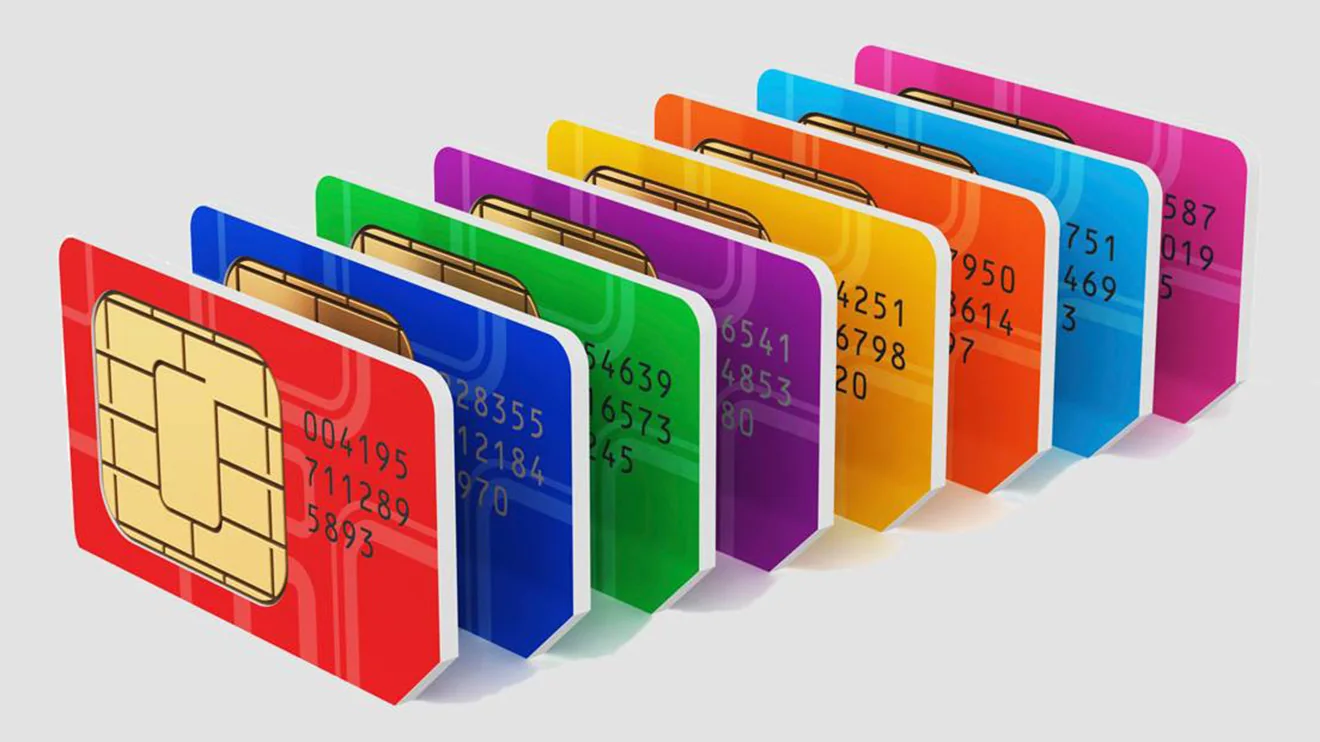
These campaigns targeted users whose SIM cards had gone inactive due to reduced calls, data use, or mobile money transactions. Operators used rewards such as bonus airtime, discounted bundles, loyalty points, and personalised data offers to restore activity on the lines.
Kenya’s mobile phone industry has recorded a sharp jump in activity, with millions of previously inactive SIM cards coming back into use within a single quarter, lifting total subscriptions to a new high.
Data from the Communications Authority of Kenya (CA) shows active mobile subscriptions rose by 5.7 million in the three months to March 2026, reaching 84.1 million, up from 78.4 million in December 2025. The increase represents a 7.4 per cent growth within the quarter.
The regulator links the rise to aggressive customer win-back campaigns by telecom operators, which focused on reviving dormant lines and encouraging users back onto their networks through incentives and targeted offers.
“Active mobile subscriptions grew by 7.4 per cent to 84.1 million. Consequently, the mobile penetration rate increased by 8.2 percentage points to 157.7 per cent. This growth is attributed to the various customer win-back campaigns run by operators during the reference period,” the CA said.
These campaigns targeted users whose SIM cards had gone inactive due to reduced calls, data use, or mobile money transactions. Operators used rewards such as bonus airtime, discounted bundles, loyalty points, and personalised data offers to restore activity on the lines.
Competition among telecom firms also played a major role in the growth. Safaricom rolled out tailored packages based on user behaviour, while Airtel Kenya increased promotions around cheaper data bundles and free minutes to pull customers back into active use.
Airtel also expanded switching incentives through offers like the “Rudishiwa Cashback” promotion, where Airtel Money users receive 50 per cent cashback in airtime on transaction fees when using its services.
The latest figures show that the mobile penetration rate climbed to 157.7 per cent, reflecting the growing number of Kenyans using more than one SIM card to access different pricing, data, and mobile money options across networks.
The Communications Authority notes that the market is now relying less on new customer growth and more on reactivating existing users, as the sector edges closer to full saturation.




Comments
Sign in with Google to comment, reply, and like comments.
Continue with Google