MPs flag teacher welfare gaps as Parliament reviews Sh4.82 trillion budget
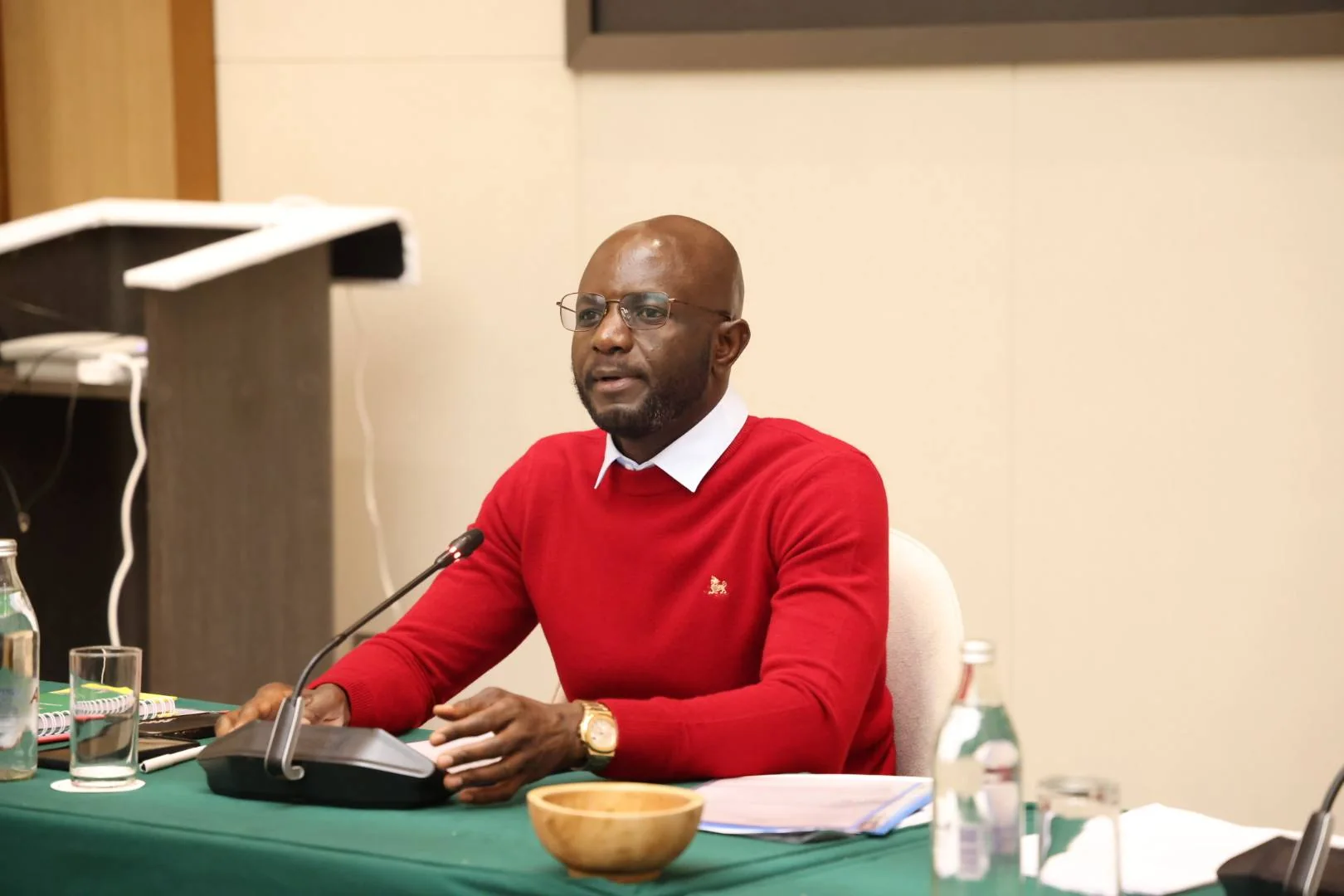
MPs on the National Assembly Budget and Appropriations Committee raised concerns during 2026/27 budget scrutiny over delayed teacher pensions, lack of insurance provisions and capitation shortfalls. They backed increased support for TVET, school feeding, infrastructure and special needs reforms.
Education financing gaps, teacher welfare concerns, and uneven school funding systems dominated discussions in Parliament on Wednesday as the National Assembly Budget and Appropriations Committee scrutinised the 2026/27 estimates, with lawmakers warning that unresolved issues such as delayed pensions, missing insurance cover, and capitation shortages continue to pressure the sector despite major allocations across key programmes.
The committee was reviewing the proposed Sh4.82 trillion national revenue and expenditure plan for the 2026/27 financial year, with submissions drawn from key parliamentary and education sector bodies outlining spending priorities and challenges.
Chaired by Alego-Usonga MP Samuel Atandi, the committee received input from the Departmental Committee on Education, the Parliamentary Service Commission, and the Committee on Blue Economy, Water and Irrigation as attention shifted to how funds will be distributed across education levels.
Lawmakers were told that the Teachers Service Commission is set to receive a proposed Sh422 billion allocation to cater for teacher promotions, conversion of 20,000 intern teachers into permanent and pensionable terms, training of 120,000 teachers under the Competency-Based Education system, and rollout of the second phase of the 2025–2029 Collective Bargaining Agreement.
Even with the allocation, MPs raised concern over outstanding pension obligations and the absence of structured insurance cover for teachers.
The committee noted that there is no dedicated funding for group life insurance, group personal accident cover, and protection under the Work Injury Benefits Act, which would require about Sh5.3 billion.
Lawmakers further pointed out that following the transfer of medical cover to the Social Health Authority, savings of nearly Sh4 billion had been realised annually, and proposed that the money be redirected to cover insurance protection for teachers.
On basic education, MPs said funding pressures remain high despite the sector receiving the largest share of the national budget.
Education Committee Chair Hon. Julius Melly told the committee that capitation remains one of the biggest challenges affecting learning institutions.
“Basic education is a sector that has the largest resource allocation. We have capitation figures in secondary education of about Sh54 billion, junior secondary around Sh30 billion and primary education around Sh7 billion,” said Hon. Melly.
The State Department for Basic Education has been allocated Sh135.3 billion, which will support learning programmes, school meals, examinations, quality assurance, and infrastructure development.
MPs also raised concern over placement of learners, noting that some schools were overstretched while others remained underused despite significant government investment.
Lawmakers supported reforms to the school feeding programme, including updated mapping of beneficiary areas and inclusion of learners with special needs.
“To ensure inclusivity, National Council for Nomadic Education in Kenya should reassess and remap all regions targeted to benefit from the school meals programme and develop policy guidelines on inclusion of Special Needs Education learners,” the committee recommended.
The committee also backed proposals to channel co-curricular funds directly to schools through capitation to avoid delays affecting sports, music, and arts activities under the Competency-Based Education framework.
The State Department for Higher Education was allocated Sh164.1 billion, though MPs raised concerns about scholarship support under the new university funding model.
In the technical education sector, lawmakers welcomed the rise in TVET funding from Sh3.5 billion to over Sh9 billion, saying it would improve training access and strengthen enrolment in colleges.
“This time it has been raised to over Sh9 billion for TVET students, and this is actually to ensure that they go back to colleges and we are able to fund them,” Hon. John Chikati highlighted.
The Education Committee also called for a nationwide audit of equipment in TVET institutions within six months to allow redistribution of idle machinery to understaffed colleges.
Further recommendations included increased funding for quality assurance, curriculum stakeholder engagement by the Kenya Institute of Curriculum Development, expansion of special needs assessment centres, and completion of an assistive devices manufacturing facility for learners with disabilities.
Lawmakers concluded that sustained investment in education remains key to stabilising the Competency-Based Education system, expanding access to higher learning, and improving teacher welfare.



Comments
Sign in with Google to comment, reply, and like comments.
Continue with Google