Muslim leaders back Ruto’s directive on integrating Duksi, Madrasa into formal education
The Muslim leaders emphasized that the proposal is not a new initiative but one that has been discussed and recommended in various education policies, commissions, and reform reports over several decades.
Muslim leaders have thrown their weight behind President William Ruto’s directive to integrate Duksi and Madrasa institutions into Kenya’s formal basic education system, describing the move as a long-overdue step towards improving access to education for children in marginalized communities.
In a joint statement released on Friday, the leaders welcomed the President’s announcement made during this year’s Madaraka Day celebrations, where he directed the Ministry of Education to fast-track the integration of Duksi and Madrasa education into the national education framework.
“We wish to sincerely thank His Excellency the President of the Republic of Kenya for his statement during this year’s Madaraka Day celebrations directing the Ministry of Education to expedite the integration of Duksi and Madrasa into the national education framework,” the leaders said.
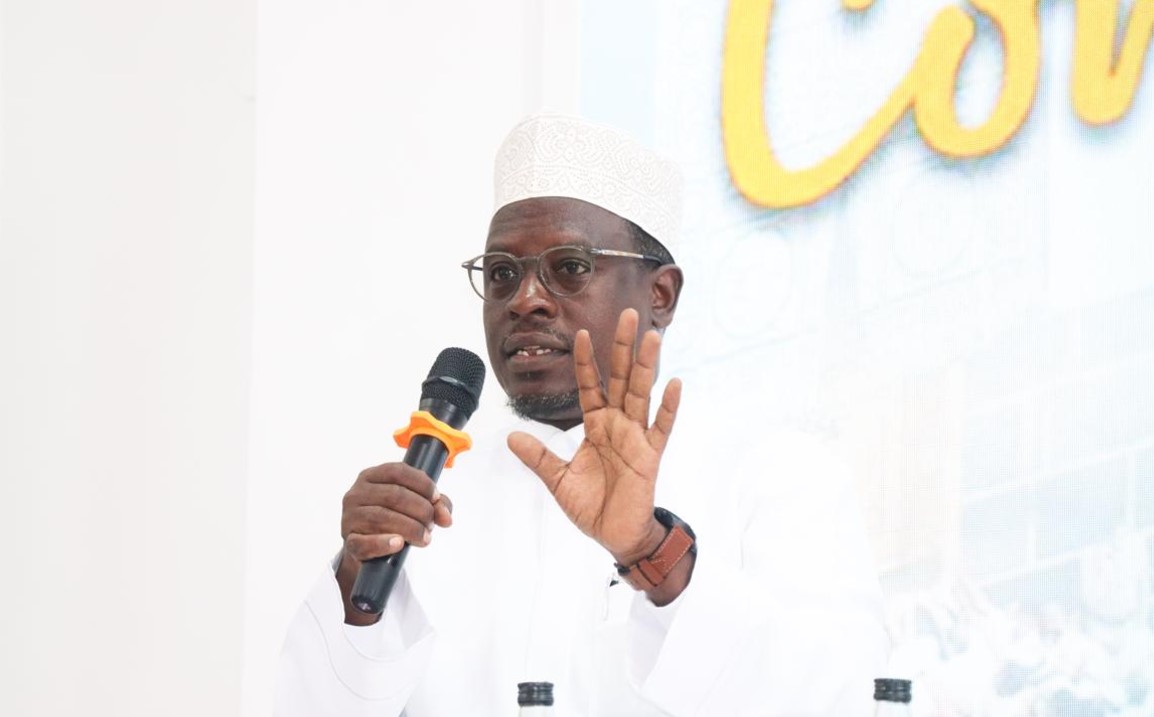
The Muslim leaders emphasized that the proposal is not a new initiative but one that has been discussed and recommended in various education policies, commissions, and reform reports over several decades.
According to the statement, successive education reviews, including the Ominde, Gachathi, Mackay, Kamunge, Koech, and Odhiambo commissions, recognized the need to harmonize Duksi and Madrasa education with the formal school system to increase access to learning opportunities among Muslim communities.
“The issue of integration is not new, but is well anchored in various legal, policy, and strategic documents within the education sector,” the leaders stated.
They noted that efforts to accommodate Islamic education within the mainstream system date back to the colonial and early post-independence periods, when government interventions sought to promote school enrolment in predominantly Muslim areas.
Among the measures highlighted were the incorporation of Duksi or Quranic schools within public schools and arrangements for the remuneration of Duksi teachers. The leaders also pointed out that Quranic studies were previously offered within the A-Level curriculum to cater for Muslim learners.
The statement further noted that many of the recommendations made over the years received legal backing through the enactment of the Basic Education Act, 2013.
The leaders argued that the proposed integration aligns with constitutional provisions guaranteeing every child the right to education and supports government efforts to address regional inequalities and educational exclusion.
“Many children in predominantly Muslim counties continue to face multiple barriers and competing socio-economic circumstances that affect their access to formal education, skills development, and future opportunities,” they said.
They added that deliberate interventions are necessary to bridge educational disparities and ensure that children from underserved communities are not left behind.
According to the leaders, the President’s directive is also in line with international commitments, particularly Sustainable Development Goal 4, which seeks to ensure inclusive and equitable quality education for all.
“The President was therefore right in observing that every child deserves a pathway to learning,” the statement said, adding that the lack of an operational framework has limited access to recognized educational pathways for many learners in marginalized regions.
Describing the directive as timely, the leaders expressed confidence that implementing existing legal and policy provisions would significantly expand educational opportunities and help realize the constitutional right to education.
“We reaffirm our commitment to continue working closely with the Government, communities, religious leaders, and all other stakeholders to promote equitable, inclusive, and quality education for every child in Kenya,” they said.
Various leaders who signed the statement include Hassan Ole Nado, Chairman of the Supreme Council of Kenya Muslims (SUPKEM), Abdullahi Abdi, Chairman, National Muslim Leaders Forum (NAMLEF), Sheikh Jamaludin Osman Imam, Jamia Mosque among others.


Comments
Sign in with Google to comment, reply, and like comments.
Continue with Google