Why Kenya is betting on regulatory reforms to unlock pharmaceutical growth
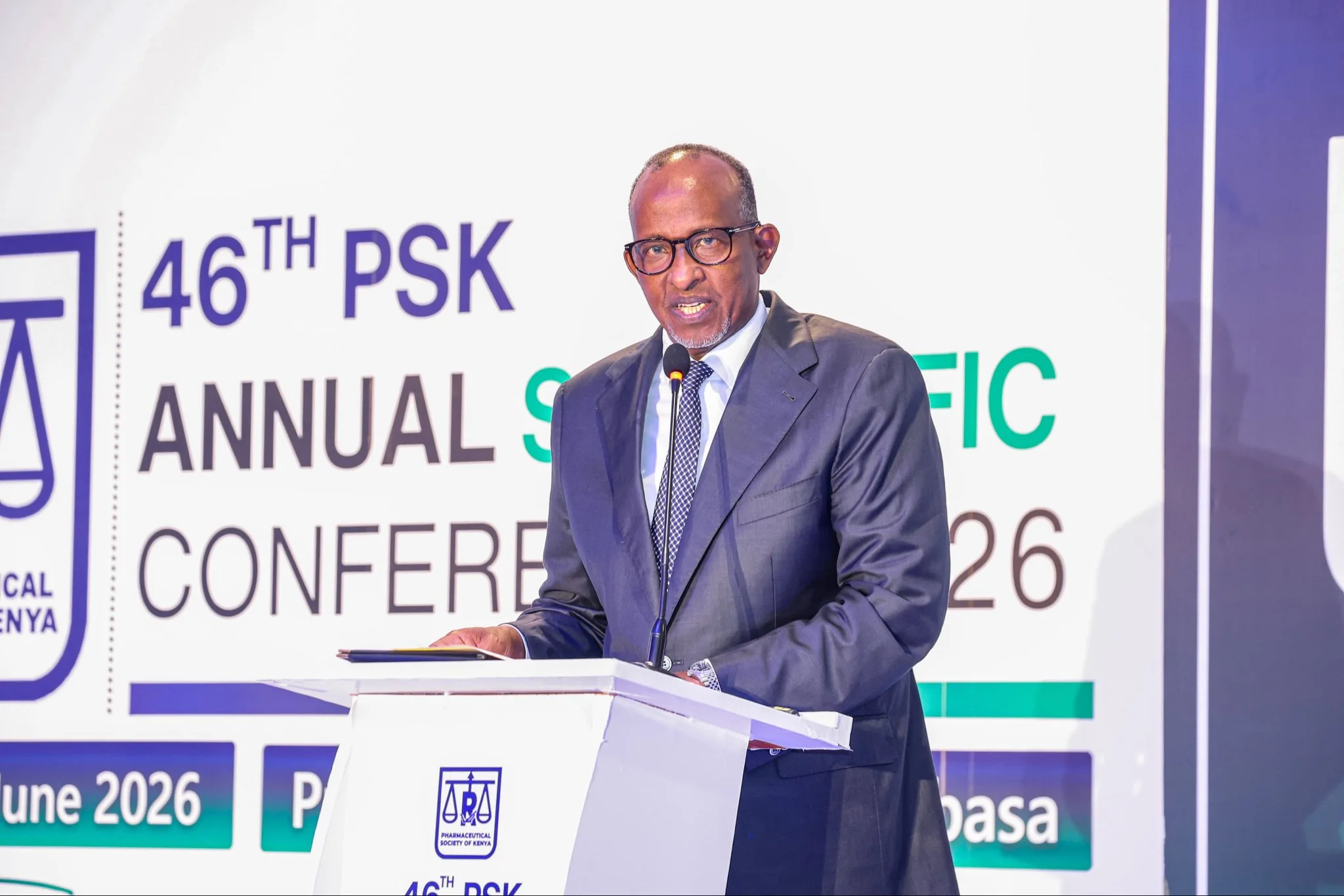
Speaking at the 46th Annual Pharmaceutical Society of Kenya Conference in Mombasa, Duale said the government had made the achievement of WHO Maturity Level 3 (ML3) recognition a key priority and had already carried out major reforms to address gaps that have held the country back.
Kenya is racing to secure a globally recognised stamp of approval for its medicines regulatory system, with Health Cabinet Secretary Aden Duale declaring that the country must finally overcome years of delays and attain the World Health Organisation’s Maturity Level 3 status by December 2026.
The target places Kenya on a critical path that could transform its pharmaceutical industry, strengthen confidence in locally manufactured medicines and position the country among nations with internationally trusted regulatory systems.
Speaking at the 46th Annual Pharmaceutical Society of Kenya Conference in Mombasa, Duale said the government had made the achievement of WHO Maturity Level 3 (ML3) recognition a key priority and had already carried out major reforms to address gaps that have held the country back.
The WHO uses its Global Benchmarking Tool to assess how effectively national authorities regulate medicines, vaccines and other health products. Countries awarded ML3 status are considered to have stable and reliable systems capable of maintaining consistent regulatory oversight.
Although Kenya is widely regarded as one of Africa’s leading pharmaceutical producers, the country remains at Maturity Level 2, falling short of a benchmark already attained by some nations with less developed healthcare systems.
“Kenya is ahead of some countries in healthcare delivery, yet they already have ML3 status. Why is Kenya not getting ML3? I asked that question to the director general of WHO,” Duale said.
According to the CS, the challenge was not linked to the country's manufacturing capacity or leadership but weaknesses within institutions responsible for regulation.
“There are countries that buy up to 40 per cent of their pharmaceutical products from Kenya. The problem was not leadership. The problem was the Pharmacy and Poisons Board. The problem was the Ministry of Health,” he said.
Duale said reforms undertaken at both the Ministry of Health and the Pharmacy and Poisons Board have laid the foundation for Kenya’s push towards the coveted status.
“We have fixed the Pharmacy and Poisons Board, and we have fixed the Ministry of Health. Before the end of this year, Kenya will either go to Geneva or the WHO director general will come here to present the ML3 recognition. That is my performance contract. If I don’t deliver, I have no job,” Duale told delegates.
The recognition would provide a major boost to Kenya’s pharmaceutical industry by increasing trust in its regulatory framework, improving access to foreign markets and attracting investment into the sector.
“It will strengthen confidence in Kenya’s regulatory systems, accelerate local innovation, facilitate regional and global market access and position Kenya as a pharmaceutical manufacturing and regulatory hub for Africa,” Duale said.
For years, Kenya’s efforts to attain the status have been slowed by challenges within the Pharmacy and Poisons Board, the agency mandated to regulate medicines and pharmaceutical practice.
Despite playing a central role in safeguarding public health, the regulator has faced limited resources, ageing systems, lengthy administrative procedures and rising demands from an expanding pharmaceutical sector.
Duale said the institution had historically received little direct engagement from senior government leadership.
“I was the first minister in independent Kenya to visit PPB,” he said.
While the regulator struggled with operational challenges, Kenya’s pharmaceutical industry continued expanding. Manufacturers increased production, exports grew and Kenyan-made products found markets across East and Central Africa and beyond.
However, the country’s regulatory framework failed to keep pace with the growth of the industry, creating a gap that became a major obstacle in the journey towards WHO recognition.
To close that gap, the government has introduced reforms aimed at strengthening oversight, improving professional standards, simplifying licensing procedures and enhancing accountability across the pharmaceutical sector.
A major focus of the reforms has been the elimination of counterfeit and poor-quality medicines from the market.
“We must ensure that fake, substandard and falsified medicines have absolutely no place within our supply chains,” Duale said.
The ministry has also intensified efforts to remove unqualified practitioners from the profession and ensure pharmaceutical services are handled by properly trained personnel.
Technology is expected to play a central role in the next phase of reforms.
From July 1, 2026, the Ministry of Health, the Pharmacy and Poisons Board and the Digital Health Agency will deploy three digital platforms aimed at modernising regulation and improving oversight of pharmaceutical products and services.
The National Track and Trace System will monitor medicines throughout the supply chain, from production and importation to dispensing and use.
Practice360 will be used to manage licensing, credentialing and professional records for pharmacists and pharmaceutical technologists, while Facility360 will oversee licensing and compliance for pharmacies, manufacturers, wholesalers, distributors and other pharmaceutical establishments.
The platforms are expected to improve accountability, transparency and product traceability while strengthening the country's ability to detect counterfeit medicines and monitor the movement of pharmaceutical products.
Industry stakeholders will also be required to adopt global GS1 standards and integrate their operations with national digital health systems.
Kenya’s pursuit of ML3 status is also tied to efforts to strengthen local manufacturing and reduce reliance on imported medicines.
The Covid-19 pandemic exposed weaknesses in international supply chains, prompting governments to invest more heavily in domestic production capacity.
In response, the Ministry of Health launched the Health Products and Technologies Local Manufacturing Strategy, which seeks to support more than 30 manufacturers producing pharmaceuticals, vaccines, biotherapeutics and medical devices.
The initiative aims to expand production, promote innovation, create employment opportunities and strengthen the country’s preparedness against future health emergencies.
Government officials believe attaining ML3 status would increase confidence in locally produced medicines and unlock new export opportunities for Kenyan manufacturers.
The designation would also assure investors that Kenya’s pharmaceutical regulatory systems meet internationally accepted standards.
Health experts say the value of the reforms goes beyond meeting WHO requirements and ultimately centres on patient welfare.
Every approved medicine, licensed pharmaceutical outlet and monitored adverse drug reaction contributes to safer healthcare services and improved public confidence in the health system.
“The care of the patient and the safety of the patient must be our top priority,” Duale said.
The reforms are also expected to support broader health sector programmes, including Taifa Care, Universal Health Coverage, efforts to combat antimicrobial resistance, maternal and newborn health initiatives and the government's wider digital health agenda.




Comments
Sign in with Google to comment, reply, and like comments.
Continue with Google