MPs raise alarm over ethnic imbalance in TVET staff recruitment
The findings pointed to repeated breaches of the rule requiring that no more than one-third of staff in any public institution should come from the same ethnic community.
Concerns have emerged in Parliament over widespread failure by several public technical and vocational institutions to meet legal ethnic diversity requirements in staffing, with lawmakers warning that continued non-compliance is weakening national unity and violating clear rules on inclusivity in public service.
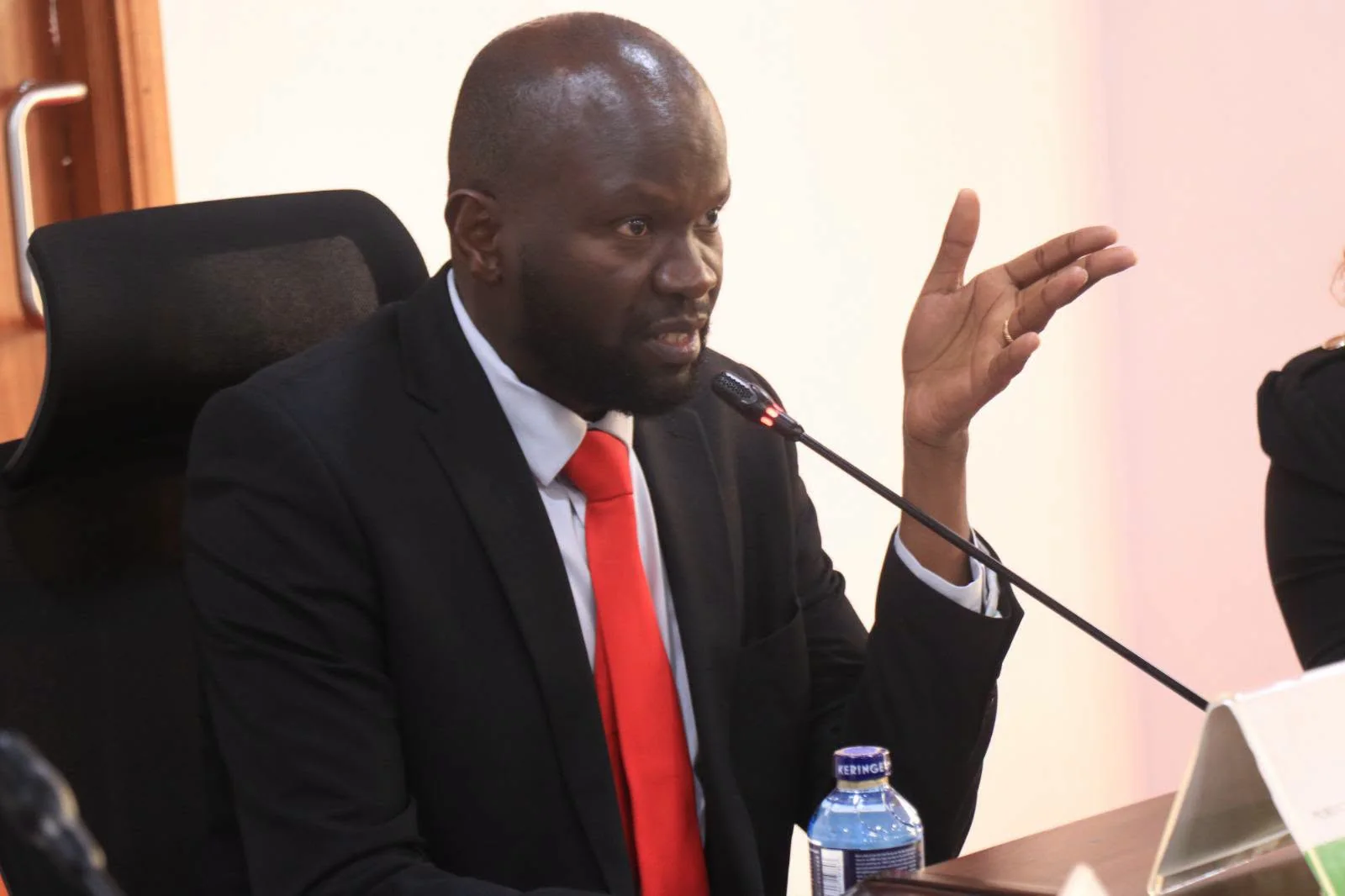
The National Assembly’s Public Investments Committee on Education and Governance, led by Dick Maungu, raised the issue after reviewing Auditor-General reports covering the 2018/19 to 2024/25 financial years.
The findings pointed to repeated breaches of the rule requiring that no more than one-third of staff in any public institution should come from the same ethnic community.
A number of institutions appeared before the committee, including Bungoma North Technical and Vocational College, Chamasiri Technical and Vocational College, Musakasa Technical Training Institute, and Okame Technical and Vocational College, where similar patterns of ethnic imbalance were recorded.
At Bungoma North Technical and Vocational College, auditors found that 57 out of 76 employees, representing 75 percent of the workforce, were drawn from a single ethnic community.
College Principal Lilian Simali acknowledged the finding and attributed the imbalance to recruitment practices during the institution's formative years.
“Management acknowledges the audit finding and wishes to clarify that the imbalance arose during the initial staffing phase when recruitment relied on locally available personnel,” she told the committee.
She added that the institution has since shifted its approach to promote broader representation.
At Chamasiri Technical and Vocational College, auditors found that 32 of the institution's 73 staff members, representing 44 per cent, came from one ethnic community during the 2024/2025 financial year. Earlier records also showed that 45 out of 77 employees, equivalent to 58 per cent, were from the same community.
College Principal Lawrence Ongata said the situation was a result of past hiring trends.
“The current staff composition reflects historical recruitment patterns. Management is committed to ensuring compliance with the law in future recruitments,” said Ongata.
Musakasa Technical Training Institute was also flagged after auditors established that 59 of its 78 employees, representing 76 per cent of the workforce, belonged to a single ethnic community.
Institute Principal Moses Sakwa acknowledged the findings and said steps were already being taken to correct the imbalance.
“The staffing composition reported as at June 30, 2025 reflects historical recruitment trends accumulated over several years. However, management has taken deliberate measures to address the imbalance through recent recruitment undertaken during the 2025/2026 financial year,” he said.
At Okame Technical and Vocational College, auditors found that 32 of the institution's 54 staff members, representing 59 percent, were drawn from one dominant ethnic community.
Management at the institution admitted non-compliance with the law but said recruitment had largely attracted candidates from the surrounding community.
Committee Chairperson Dick Maungu warned that public institutions must fully comply with national values and legal requirements on inclusivity.
“Public institutions are funded by taxpayers from every corner of this country and therefore recruitment must reflect the face of Kenya. Ethnic imbalance in public service is not only unlawful but also undermines national unity and fairness,” Maungu said
He cautioned that Parliament would not allow continued disregard of the law.
“We cannot continue normalising historical recruitment patterns as an excuse for exclusion. Institutions must develop deliberate policies to ensure future recruitment processes comply fully with the National Cohesion and Integration Act,” he added.
The committee directed all affected institutions to submit detailed compliance plans showing how they intend to achieve balanced staffing in line with the law.
“The law is very clear that no public institution should have more than one-third of its staff from the same ethnic community. Parliament expects strict adherence and accountability from all public institutions,” he said.
The committee is now compiling its report for presentation to the National Assembly after completing review of the Auditor-General’s findings across the institutions.




Comments
Sign in with Google to comment, reply, and like comments.
Continue with Google