EACC bans branding of public projects with names and images of political leaders
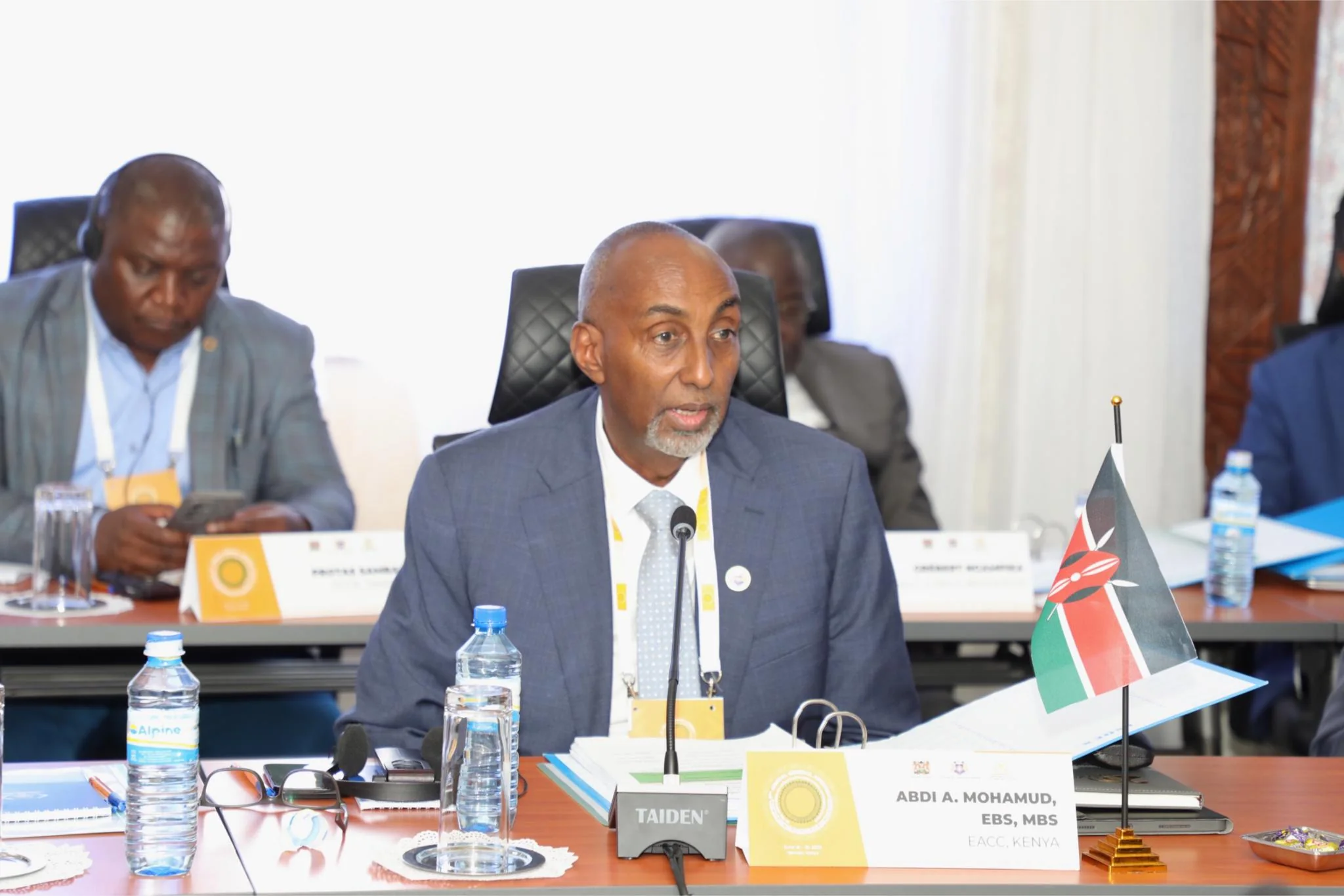
EACC noted the practice amounts to abuse of office and misuse of public resources. It directed agencies to ensure public projects only reflect government institutions, warning of administrative or legal sanctions for violations
The Ethics and Anti-Corruption Commission (EACC) has moved to stop the growing practice of branding government-funded projects with names, images, or symbols linked to political leaders, warning that the trend violates public service rules and amounts to misuse of state resources. The Commission says public projects must remain neutral and reflect institutions, not individuals, and has cautioned that those who ignore the directive risk administrative and legal action.
In a statement issued and signed by Secretary/Chief Executive Officer Abdi A. Mohamud in Nairobi on June 23, 2026, the Commission said it has observed an increasing pattern where government programmes and projects are being linked to political figures or parties through branding.
“The Commission's attention has been drawn to an emerging trend of branding public projects and programmes with names, images, or symbols of specific individuals, political parties, or leaders.”
According to EACC, while it is acceptable to recognize public service, attaching personal or political identity to government-funded work goes against the principles of integrity and proper use of public resources.
“While recognition of public service is important, branding of publicly funded projects and programmes with the identities of political office holders amounts to abuse of office, misuse of public resources and unethical conduct contrary to Articles 10, 73 and 75, 201 (d) of the Constitution of Kenya, 2010, Public Finance Management Act, 2012 and the Leadership and Integrity Act, 2012.”
The Commission stressed that public officers are expected to prioritize citizens’ interests and avoid using state-funded platforms for personal or political benefit.
It further pointed out that leadership in public service is guided by strict constitutional standards that demand accountability, openness, and ethical conduct in the delivery of government projects.
“The Constitution sets out clear guiding principles on leadership and integrity, emphasizing that state and public officers shall: Act in a manner that promotes public interest over personal or political gain; Uphold transparency and accountability in the management of public resources; and Maintain high standards of integrity in the discharge of their duties.”
EACC has now directed all state departments, county governments, and public institutions to ensure that project identification avoids any association with individuals, political parties, or political symbols.
“State and public officers to refrain from using public resources to promote personal, political, or partisan interests; public entities to take proactive action to ensure public projects and programmes do not bear the names, images, portraits, or symbols of serving state or public officers, political leaders, or political parties.”
The Commission further clarified that where identification is necessary, it should strictly reflect the government institution responsible for the project, without personal references.
“Where recognition is necessary, it must only reflect the responsible government entity and clearly indicate whether the project or programme is supported by the National or County Government, without including personal identifiers or portraits.”
EACC warned that it will closely monitor compliance across all levels of government and take appropriate action against any violations.
The advisory comes amid heightened scrutiny of how public resources are managed and reinforces calls for ethical leadership and strict adherence to constitutional values in the implementation of government programmes.




Comments
Sign in with Google to comment, reply, and like comments.
Continue with Google