Ruto issues stern warning to hospitals over illegal outpatient charges
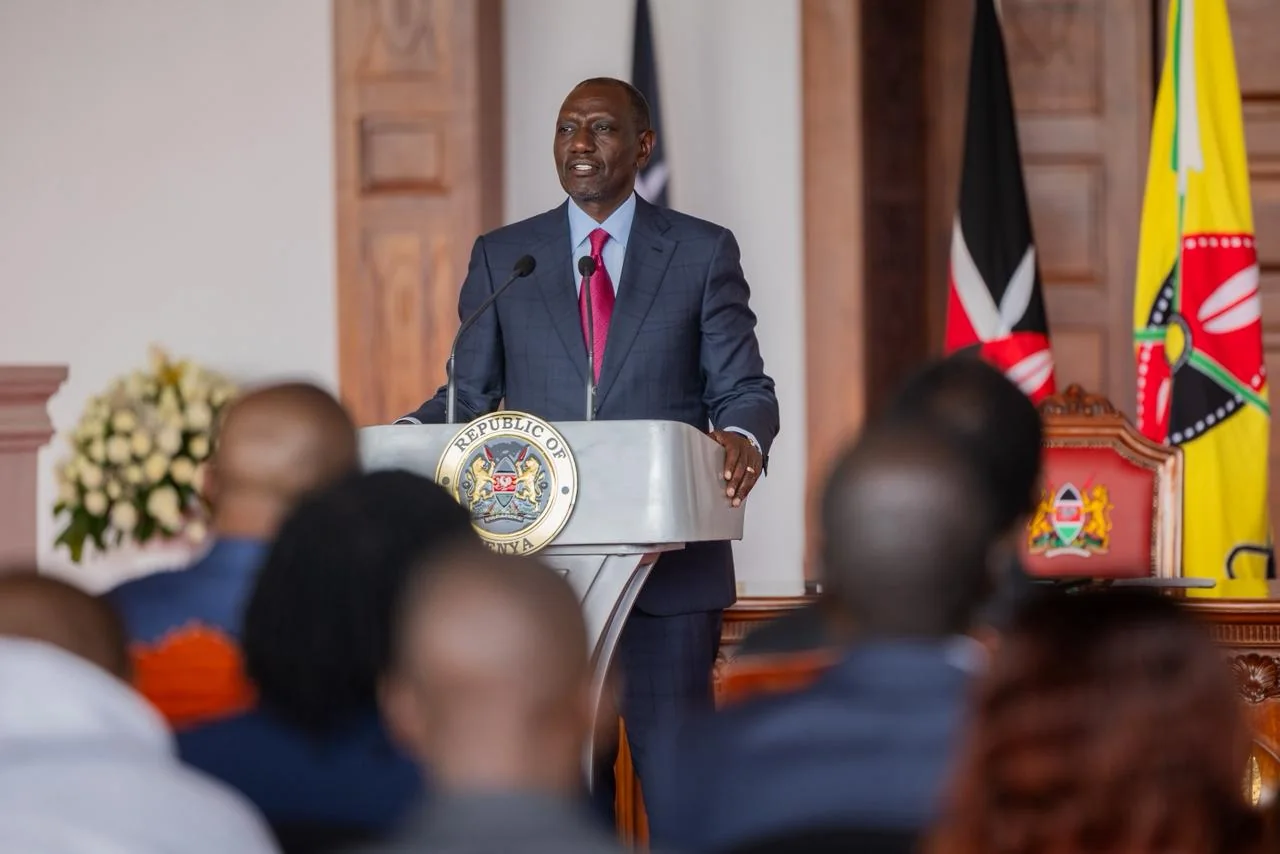
President Ruto warned that some hospitals were still unlawfully charging patients despite government funding arrangements already covering the services.
President William Ruto has issued a stern warning to health facilities across the country, directing that no Kenyan should be charged for outpatient services in accredited public, private, and faith-based hospitals, and signalling that the government will soon criminalise any violations.
Speaking at State House, Nairobi on Tuesday, the President said the directive applies to all facilities accredited under the Social Health Authority system and insisted that outpatient care must be provided free of charge, with the government footing the bill.
“As a result, let me state this very clearly, that no Kenyan should pay for outpatient services at dispensaries, health centers, and sub-county health facilities in any Social Health Authority accredited public, private, or faith-based hospitals,” he said.
Ruto warned that some hospitals were still unlawfully charging patients despite government funding arrangements already covering the services.
“We have had incidents where some hospitals around the country, public, private, faith-based, are charging citizens who go for outpatient services, yet that service has been paid for and provided by the Government of Kenya,” he said.
He added that enforcement measures were being prepared to make such practices a criminal offence.
“I am making this absolutely clear to any facility in the Republic of Kenya that charges any citizen when they go for outpatient service that we will shortly make it criminal for anybody to charge any citizen,” he said.
The President further directed that facilities must not deny treatment to uninsured patients, instructing them to register such patients and proceed with treatment.
“All a hospital needs to do, if a citizen is not registered, they should register them and treat them for free. Yeah, we will pay for the costs,” he said.
Ruto anchored the directive on constitutional obligations under Article 43, saying the government is committed to ensuring access to the highest attainable standard of healthcare for all citizens.
He also announced additional funding to strengthen frontline healthcare delivery, including KSh 3.7 billion to support 107,000 community health promoters with kits, tools, and Social Health Authority contributions.
He described them as key drivers of primary healthcare at village and community level, noting that many of their kits are now outdated and will be replaced.
“We are now going to renew all their kits… because they are providing a service,” he said.
On medical supplies, Ruto announced increased funding to the Kenya Medical Supplies Authority, with its budget rising from KSh 5 billion to KSh 21 billion to improve the availability of essential medicines.
He said the move was aimed at ending persistent shortages in public facilities.
“The biggest challenge that citizens have often complained about is the lack of medicine in our health facilities,” he said.
Addressing the issue commonly referred to as “Hakuna Dawa,” Ruto said the government was now taking decisive steps to ensure consistent drug supply across the country.
“The Hakuna Dawa issue now with this provision, I am asking all counties and all hospitals in Kenya to make sure that medicine is available in every health facility in the Republic of Kenya,” he said.
He added that county governments and health facilities must ensure accountability in the distribution and availability of medicines.
Ruto also announced plans to convene a national health summit within one month to review implementation of the reforms and ensure that increased funding translates into improved services.
“I will convene a health summit within the next one month to ensure that we fully realise the benefits of these resources and translate them into improved services for all the people of Kenya,” he said.
The President’s remarks mark one of the strongest directives yet in the ongoing health sector reforms aimed at expanding universal healthcare and eliminating out-of-pocket payments for basic outpatient services.




Comments
Sign in with Google to comment, reply, and like comments.
Continue with Google