Widows in Kenya still face eviction, poverty and stigma, NGEC warns
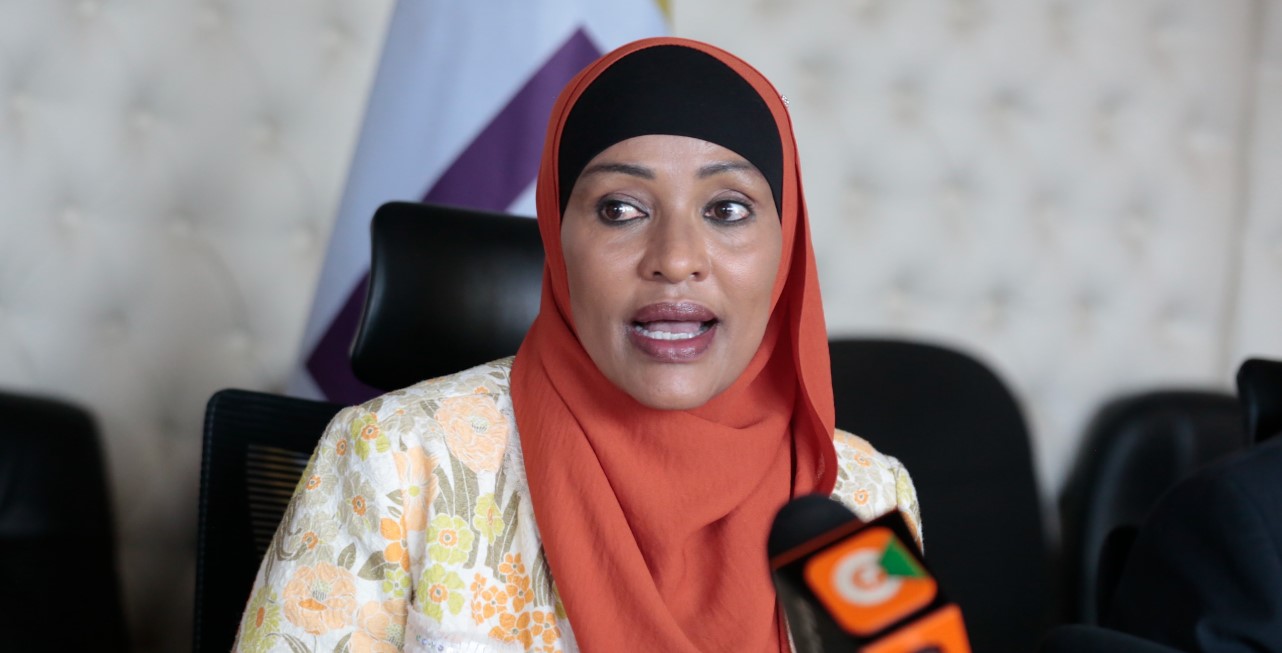
NGEC also called for stronger measures to guarantee widows' access to justice, social protection, education, decent work and participation in decision-making processes
Kenya has been urged to take urgent steps to strengthen legal and social protections for widows, with the National Gender and Equality Commission warning that millions of women continue to suffer property loss, eviction, poverty and discrimination despite existing laws and programmes aimed at safeguarding their rights.
Marking International Widows Day on June 23, the Commission said the day offers a chance to assess the situation of widowed persons and reinforce measures that protect their dignity, rights and welfare. It also pushed for the fast-tracking of the Widowed Persons Protection Bill, 2026, alongside wider access to justice, economic support and social protection services across the country.
This year’s global theme is “Invisible Women, Invisible Problems”, while Kenya’s sub-theme is “Advancing Dignity, Justice, Protection and Economic Empowerment for Widows in Kenya.”
The Commission noted that widowhood remains one of the most overlooked issues in gender equality and development discussions across the world.
According to United Nations estimates, there are about 258 million widows globally, many of whom live in poverty while also taking care of children and other dependents.
The UN has cautioned that widows are often left “unseen, unsupported, and unmeasured in our societies” and many continue to struggle in accessing inheritance, pensions, livelihoods, housing, healthcare and legal protection.
It has also called for stronger systems to guarantee widows’ access to justice, social protection, education, decent work and participation in decision-making processes.
In Kenya, NGEC said stakeholder consultations and unpublished reports indicate there are more than five million widowed persons. However, it warned that lack of updated and comprehensive data continues to limit planning, targeted interventions and accountability.
The Commission acknowledged that the country already has a strong legal and policy foundation to protect widows.
It pointed out that constitutional guarantees on equality, non-discrimination, human dignity, property rights and access to justice are backed by laws covering succession, matrimonial property, land ownership, legal aid, social protection and prevention of gender-based violence.
NGEC also pointed to progress made through programmes run by national and county governments, civil society organisations, faith-based groups and development partners. These include legal aid services, psychosocial support, economic empowerment initiatives and public awareness campaigns.
A key development highlighted by the Commission is the drafting of the Widowed Persons Protection Bill, 2026.
The statement said the Bill presents "an important opportunity to consolidate existing protections, address harmful widowhood practices, strengthen safeguards against disinheritance and forced eviction, and create clearer institutional responsibility for the protection and inclusion of widowed persons in development."
Despite these efforts, NGEC warned that many widows still face property grabbing, forced eviction from matrimonial homes, exclusion from succession processes, stigma, intimidation, violence, sexual exploitation and loss of livelihoods.
It added that the situation is worse for widows in customary and polygamous unions, widows with disabilities, older widows, young widows and those living in marginalized areas.
To address the challenges, the Commission has called on Parliament to prioritise the Widowed Persons Protection Bill, 2026, strengthen inheritance and property rights, improve access to justice, eliminate harmful cultural practices, expand economic empowerment programmes and improve data collection on widowed persons.
NGEC reaffirmed its commitment to promoting the rights of widowed persons and called for coordinated efforts among government institutions, communities and development partners to ensure widows are fully protected and included in national development.



Comments
Sign in with Google to comment, reply, and like comments.
Continue with Google