Muhoozi claims responsibility for Martha Karua deportation from Uganda
Kanjama, who was on the same mission, was allowed into Uganda, a contrast that later raised concerns within legal circles about why one member of a legal team was admitted while another was blocked.
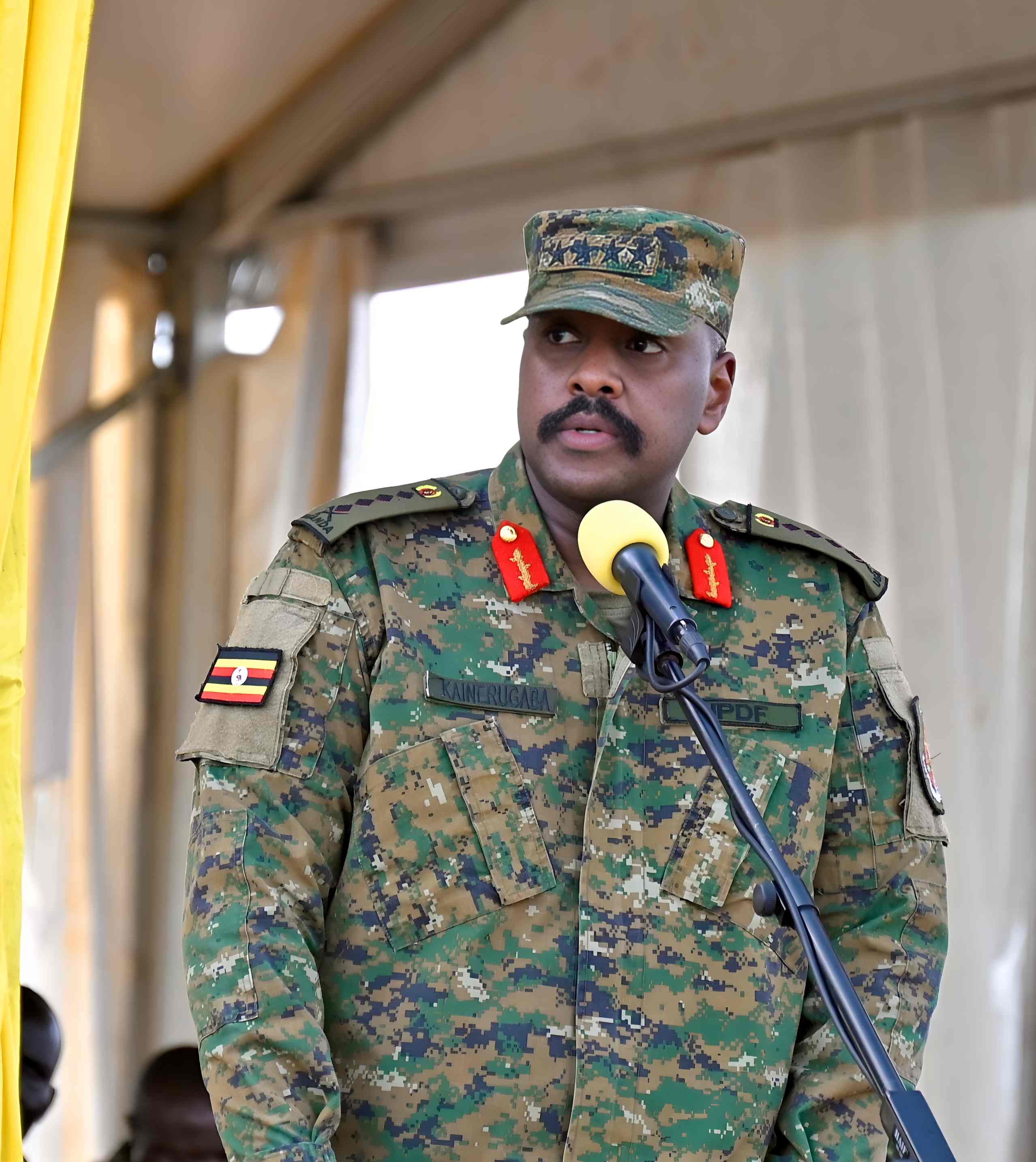
A public admission by Uganda’s Chief of Defence Forces that he personally ordered the removal of Kenyan opposition figure Martha Karua has escalated tensions over her controversial deportation from Entebbe International Airport, raising fresh questions over political interference in cross-border legal work.
General Muhoozi Kainerugaba has said he was directly responsible for Karua’s deportation, distancing President Yoweri Museveni from the decision that stopped her entry into Uganda on Monday.
“Do not blame my great father for this decision. I deported her myself. She's no longer allowed in our country,” Muhoozi said in a post on X.
Karua had flown to Kampala on a Kenya Airways flight alongside Law Society of Kenya President Charles Kanjama, intending to attend court sessions tied to the bail application of Ugandan opposition leader Kizza Besigye.
She was also set to link up with a defence team led by Ugandan lawyer Erias Lukwago, who has been handling Besigye’s legal matters but is himself facing treason-related charges and was due in court for a bail hearing.
On arrival at Entebbe International Airport, immigration officers stopped Karua and prevented her from proceeding, later informing her she would be returned to Kenya. No formal explanation was issued at the time.
Kanjama, who was on the same mission, was allowed into Uganda, a contrast that later raised concerns within legal circles about why one member of a legal team was admitted while another was blocked.
Karua later said she was moved between different offices at the airport, had her phones taken, and was kept under security supervision for hours before being placed on a flight back to Nairobi.
Speaking after landing at Jomo Kenyatta International Airport, she said she was initially cleared before being recalled following what officials described as an internal alert.
“After being taken around offices, I was taken to a man who told me he's the principal immigration officer at the airport, and he told me that I would not be allowed to enter,” Karua said.
She described the incident as politically driven and said it interfered with Besigye’s legal defence.
“This is political persecution of Besigye, and it is interference with his defence,” she said.
Karua further alleged that she was told she had been flagged for restricted entry after repeated checks by immigration supervisors, adding that she was eventually informed she would not be allowed into Uganda at any time.
Her account has triggered criticism from political and legal figures in Kenya, who questioned the handling of the matter and its broader implications for regional cooperation.
Wiper leader Kalonzo Musyoka, former Public Service Cabinet Secretary Justin Muturi, former Chief Justice David Maraga and DAP-K leader Eugene Wamalwa all expressed support for her, warning that the incident risks undermining East African Community principles.
Legal bodies have also joined the debate, with the Law Society of Kenya and Uganda Law Society condemning the deportation and the East African Law Society indicating it will challenge the decision in court.
Ramadhan Abubakar, President of the East Africa Law Society, said: “There is a trend emerging in the region, this is not the first time a Kenyan lawyer is being denied entry, last year Martha, CS Mutunga were denied entry (into Tanzania) for Tundu Lissu.”
Karua has insisted that blocking lawyers from accessing court proceedings weakens fair trial rights, arguing that Besigye’s defence is being compromised.
“When they deny entry for Besigye’s lead lawyer and incarcerate his other counsel, that is a denial of Besigye’s right to a fair trial, and as I wondered last week under those circumstances, Besigye cannot get a fair trial in the courts of Uganda,” she said.
She also pointed to what she called a wider regional pattern of restrictions targeting legal and political actors.
“What I have realized now is that East Africa has shrunk…this is my second deportation. I was barred entry into Tanzania for daring to go and witness the trial of Tundu Lissu, yet their constitution says criminal trial is a public thing which anybody can go to,” Karua noted.
Legal teams in the region are now pushing for accountability, saying they will move to court to challenge the deportation and demand clarity on the decision that blocked Karua from entering Uganda while allowing her colleague through.




Comments
Sign in with Google to comment, reply, and like comments.
Continue with Google