Hope for endangered species as 100th mountain bongo is born in Kenya
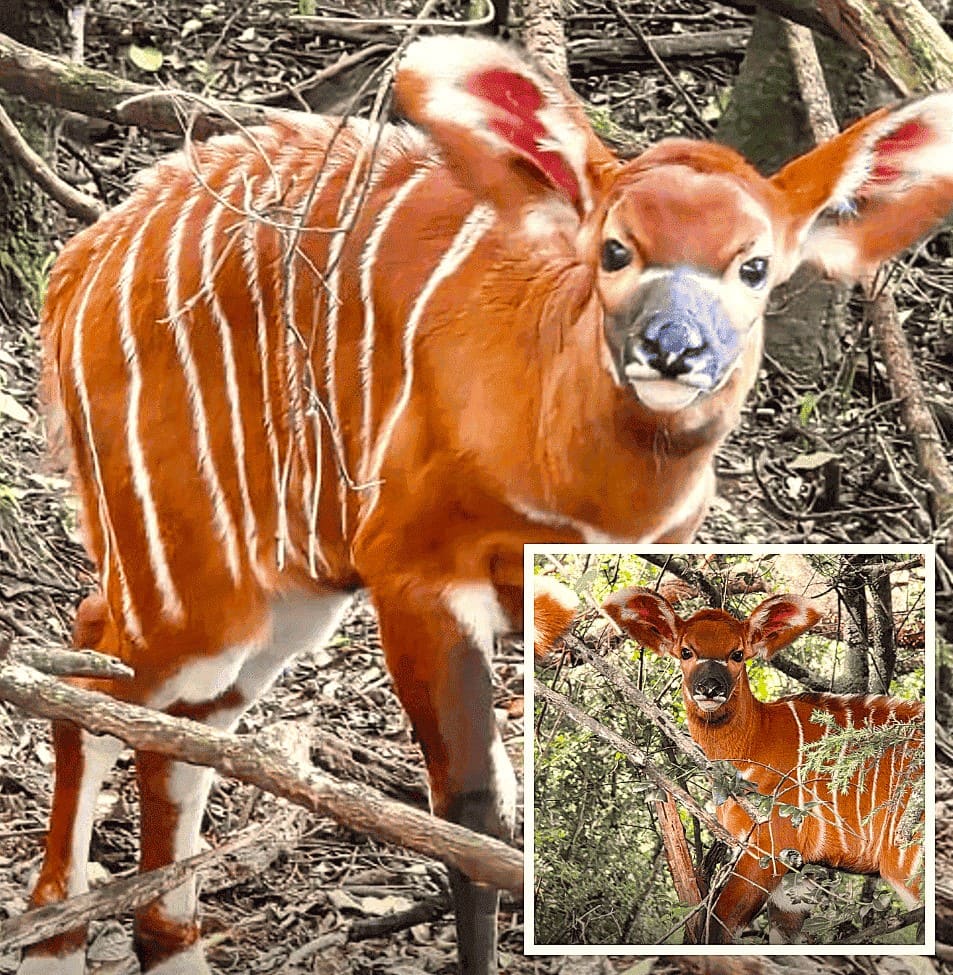
Mount Kenya Wildlife Conservancy has recorded its 100th mountain bongo birth under a long-running breeding and rewilding programme, a key step in efforts to save the critically endangered species in Kenya.
Mount Kenya Wildlife Conservancy has marked a major step in efforts to save the critically endangered mountain bongo after the birth of its 100th calf on Thursday, January 8, 2026.
The conservancy described the moment as a key breakthrough in years of work aimed at pulling the rare antelope back from the edge of extinction in Kenya.
The birth was confirmed under the Mount Kenya Wildlife Conservancy Breeding and Rewilding Programme, which has been running for more than two decades. Conservationists say the arrival of the 100th calf shows that long-term protection, careful breeding, and close monitoring can still reverse the decline of species that were once close to disappearing from the wild.
Kenya Wildlife Service Director General Erastus Kanga said the latest birth offers fresh optimism for the future of the fragile species and the wider conservation agenda in the country.
“This work represents a significant step forward for wildlife conservation in Kenya,” Kanga said, adding that “the birth of the 100th mountain bongo reflects more than 20 years of dedication by conservation teams, researchers, veterinarians, and wildlife managers whose efforts in research, monitoring, and breeding have been critical to the recovery of this critically endangered species.”
In a statement, Kenya Wildlife Service said it remains committed to working closely with Mount Kenya Wildlife Conservancy on the mountain bongo breeding and rewilding programme while also pushing forward broader species recovery efforts across Kenya.
Mount Kenya Wildlife Conservancy echoed the message from KWS, describing the milestone as deeply emotional for those who have been involved in the programme for years.
“After years of care, patience, and dedication, we are so happy to share that the 100th mountain bongo has been born. This is more than just another birth; it is an expression of hope. It's proof that our efforts are worthwhile and that the future of this species is still possible.
“As we look at the newly born Bongo calf, we can't help but feel the joy, relief, and hope we've been holding onto for so long.” This little one is tiny, gentle, and already so special. Knowing how much it took to get here makes this moment even more emotional for all of us.’’
Reports indicate that the mountain bongo was once common across the Mount Kenya ecosystem, but years of habitat loss and poaching led to a sharp decline in its numbers. The pressure pushed the species to the brink of extinction, triggering urgent action from conservation groups and the government.
In response, Mount Kenya Wildlife Conservancy, working together with Kenya Wildlife Service, launched long-term breeding and recovery efforts aimed at stopping the loss of the iconic species and preparing animals for a return to the wild.
Humphrey Kariuki, Patron of Mount Kenya Wildlife Conservancy and International Union for Conservation of Nature, said the achievement is the result of sustained teamwork that goes beyond breeding alone.
MKWC has now bred 100 mountain bongos through the programme and continues to guide efforts to rebuild a self-sustaining population in the wild. The conservancy operates under the patronage of Humphrey Kariuki and combines species recovery with community support, education, and conservation awareness.
According to the reports, more than 30,000 students take part in MKWC’s education and empowerment programmes every year, helping to build understanding around biodiversity protection and responsible use of natural resources.
The milestone was reached through partnerships with Kenya Wildlife Service and Kenya Forest Service, alongside technical support from Chester Zoo, the European Association of Zoos and Aquaria, and the International Union for Conservation of Nature.




Comments
Sign in with Google to comment, reply, and like comments.
Continue with Google