Analyst urges strict implementation of 2014 Nairobi master plan for sustainable growth
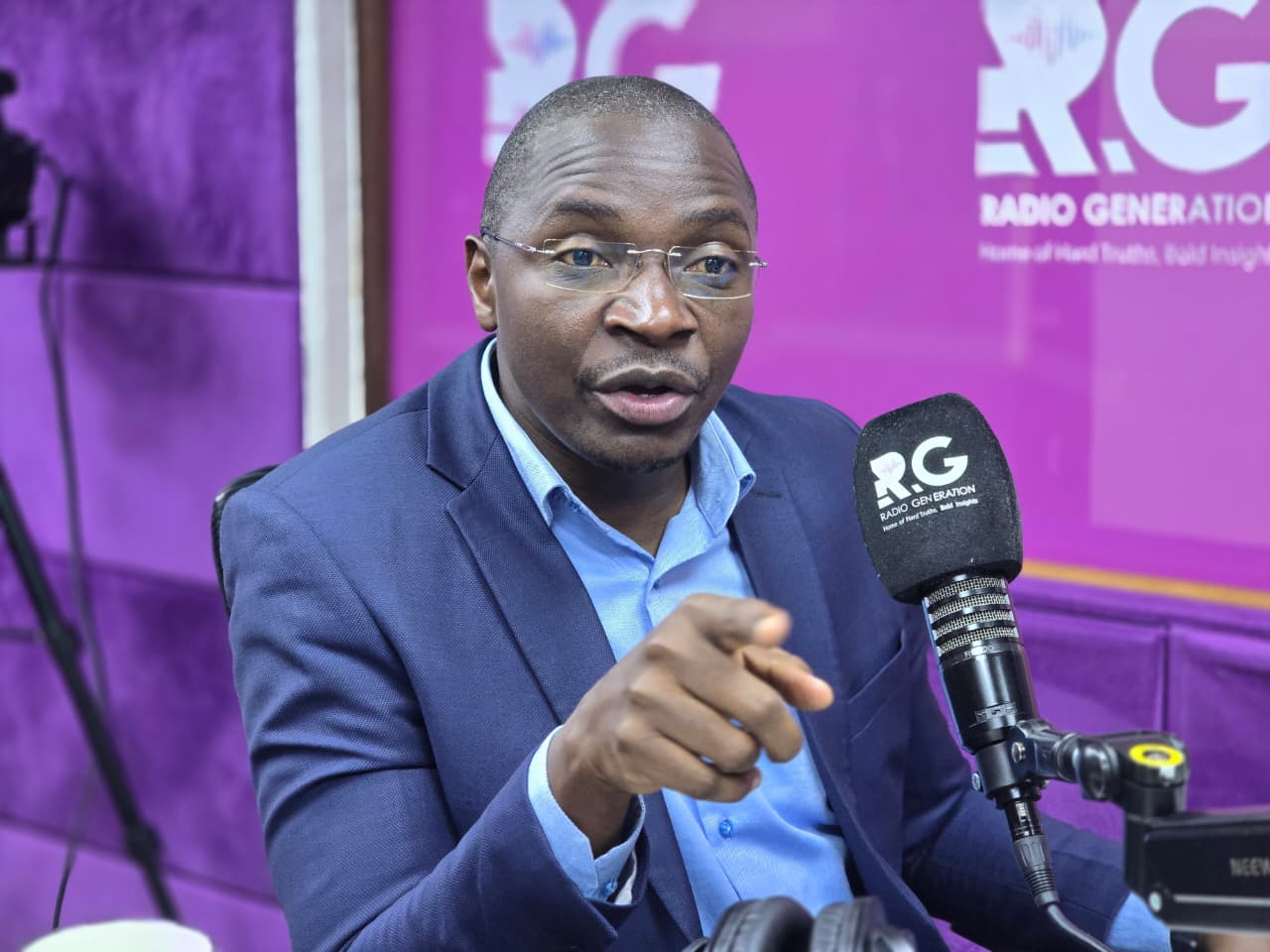
Speaking on Radio Generation on Monday, Arnold highlighted that the last comprehensive plan for Nairobi was completed in 1973, and a new blueprint should have been implemented by 1997.
Nairobi faces major urban planning challenges due to decades of outdated plans and mismanaged development, according to Maliba Arnold, Party Leader of Progress Plus Alliance.
Speaking on Radio Generation on Monday, Arnold highlighted that the last comprehensive plan for Nairobi was completed in 1973, and a new blueprint should have been implemented by 1997.
“The last mayor came in and found a city that is actually chaotic,” he noted, stressing the urgent need for structured urban management.
Arnold pointed out that the 2014 Nairobi Integrated Urban Master Plan provides the most detailed blueprint in Africa, with projections and strategies extending to 2040.
He added that the plan was developed with an investment of about 1.5 billion shillings and incorporates input from experts who understand the complexities of city management.
“By the way, there’s no city that has got a proper blueprint now in Africa than Nairobi. Nairobi has got the best blueprint now, and it should take us up to 2040,” he said, urging a review in 2030 to ensure its continued relevance.
He criticized recent governance for neglecting the plan, accusing some leaders of implementing personal agendas instead of following the established framework.
“Once launched, the master plan in 2014, he continued with, quote, unquote, his own manifesto… He forgets that he is the governor,” Arnold said.
He claimed that other city officials have partially lifted the master plan without proper attribution, undermining coordinated development efforts.
Arnold emphasized that candidates who propose manifestos outside the master plan lack the capacity to manage Nairobi’s complex urban challenges.
“If anyone is running as a governor in Nairobi, and he’s coming up with a manifesto that is not the new plan, he does not have capacity as an individual to do as intensive and in-depth plan,” he warned.
The master plan addresses critical areas including river systems, stormwater drainage, and land use.
Arnold highlighted the ecological complexity of Nairobi, noting the main rivers and their tributaries, and stresses that the city’s infrastructure must be developed with these factors in mind.
He also pointed out the scarcity of available land: “5% of Nairobi’s population lives on 75% of Nairobi’s land,” underscoring the need for vertical housing solutions.
Arnold concluded that Nairobi’s unique position as the nation’s capital, commercial hub, diplomatic center, and regional financial hub demands rigorous adherence to the master plan to ensure sustainable growth and effective urban management.



Comments
Sign in with Google to comment, reply, and like comments.
Continue with Google