CS Wandayi orders removal of Sh198,000 per metric tonne fuel shipment over pricing breach
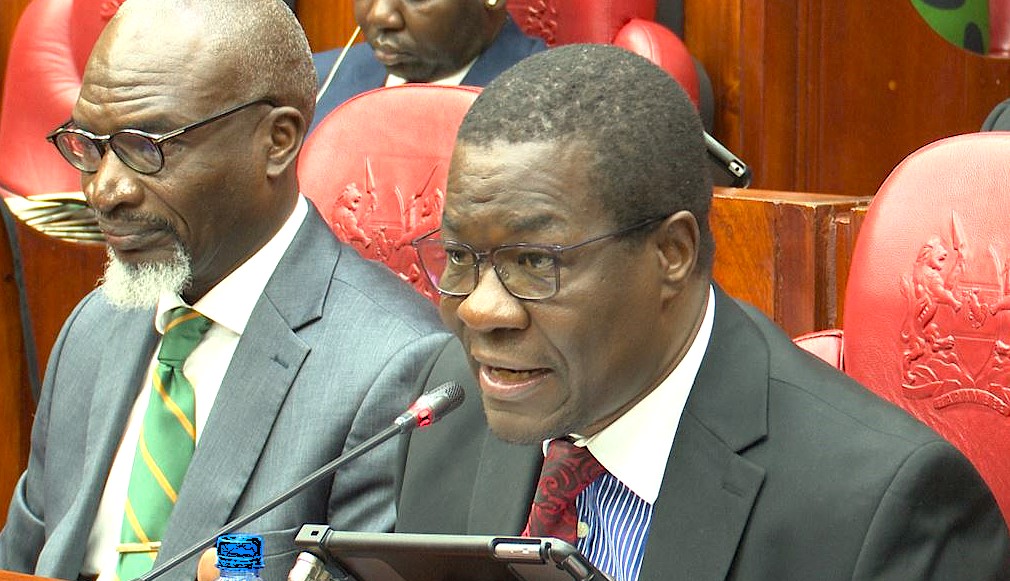
Energy CS Opiyo Wandayi has ordered a 60,000-tonne petrol cargo by One Petroleum Ltd out of Kenya, saying it breached the G-to-G framework and would raise pump prices by about Sh14 per litre.
Energy and Petroleum Cabinet Secretary Opiyo Wandayi has ordered the immediate withdrawal of a 60,000-metric-tonne shipment of Super Petrol imported outside the Government-to-Government fuel supply system, warning that the move was necessary to protect Kenya’s pricing and supply stability.
In a statement issued on Tuesday, Wandayi directed One Petroleum Ltd to recall all invoices linked to the consignment and remove the fuel from the country without delay. He further instructed Oil Marketing Companies not to pay for or collect the shipment, stressing that allowing it into the market would disrupt the established supply framework.
The ministry said the cargo did not follow the procedures set under the G-to-G arrangement with international suppliers, raising concerns over compliance and pricing. According to the ministry, the consignment was priced at Sh198,000 per metric tonne, far above the Sh140,000 per metric tonne under the current G-to-G system, creating a difference of Sh58,000 per metric tonne.
“This would result in an approximate rise of Sh14 per litre in pump prices on this consignment alone,” the ministry noted.
The G-to-G framework, introduced on March 10, 2023 through agreements with Aramco Trading, Fujairah FZE, ADNOC Global Trading Limited, and Emirates National Oil Company (Singapore) Private Limited, has been used to manage the importation of Super Petrol, Diesel, and Jet A1/Kerosene since April 2023.
The ministry said the arrangement has helped keep fuel prices stable, maintain product quality, and support the country’s foreign exchange position, especially at a time when global petroleum costs are rising and tensions in the Middle East remain high.
Wandayi warned that the government would act firmly against any actions that could interfere with the supply system or lead to unjustified price increases.
“One Petroleum Ltd is directed to exit this product out of Kenya as soon as possible,” he said.
At the same time, the Energy and Petroleum Regulatory Authority (EPRA) has been instructed to leave out the disputed shipment when calculating monthly fuel prices, shielding consumers from its higher cost.
The government reaffirmed its commitment to maintaining order in the fuel supply chain and honoring agreements with both local and international partners.
“We assure all stakeholders of our continued resolve to safeguard stability, transparency, and accountability in the petroleum supply chain,” the statement concluded.
The ministry added that updates on fuel prices will continue to be issued through the usual channels as authorities enforce the directive, with a focus on protecting consumers and ensuring a steady energy supply.




Comments
Sign in with Google to comment, reply, and like comments.
Continue with Google