MPs press ministry over uneven rollout of livestock funding programmes
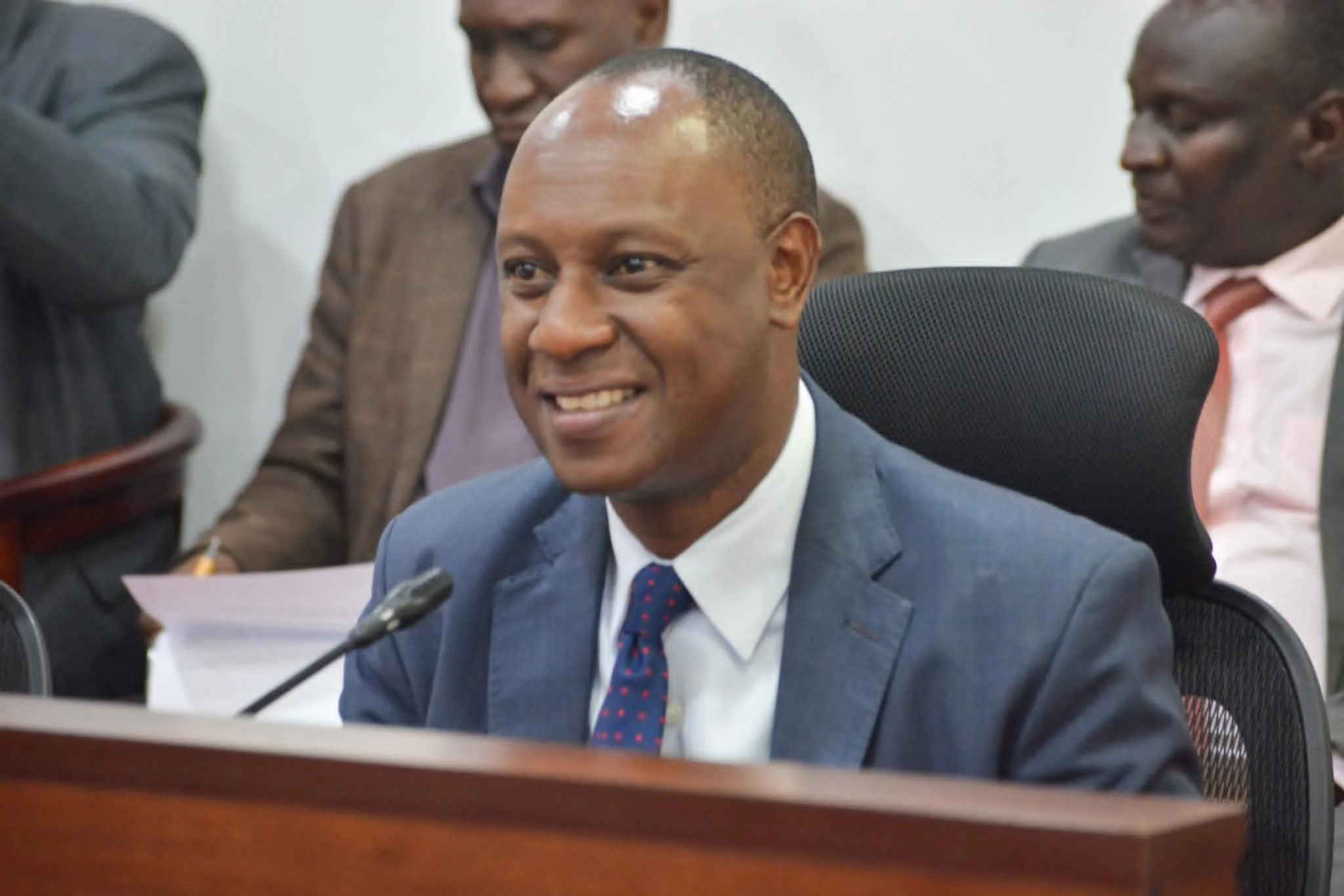
PS Mueke said livestock losses have reduced in drought-affected areas, with cattle mortality rates dropping from 22 per cent to 13 per cent following expanded vaccination campaigns and water development projects.
The National Assembly’s Public Debt and Privatization Committee has put the Ministry of Livestock Development on the spot over how livestock improvement funds are being shared across the country, raising concern that some regions may be left behind even as the government reports strong gains from the programmes.
Appearing before the committee at Bunge Tower on Thursday, Livestock Development Principal Secretary Jonathan Mueke briefed MPs on the progress of donor-supported livestock projects targeting rural farming households.
He told the committee that the Smallholder Dairy Commercialisation Project has boosted milk production among participating farmers, with output rising from four litres per cow per day to 14 litres.
Mueke also said livestock losses have reduced in drought-affected areas, with cattle mortality rates dropping from 22 per cent to 13 per cent following expanded vaccination campaigns and water development projects.
According to him, the Livestock Commercialisation Project has reached more than 70,000 households out of a target of 110,000 poor rural households across 10 counties.
“These interventions are transforming livelihoods by improving productivity, reducing livestock losses and enhancing resilience among pastoralist communities,” Mueke said.
But lawmakers raised concern over how the programmes are spread across the country, with Committee Chairperson Shurie Abdi and Lamu West MP Stanley Muthama questioning why some regions, including the Coast and Lower Eastern, appear to have limited access.
Abdi stressed that since the projects are funded through loans repaid by all Kenyans, benefits should not appear concentrated in only selected areas.
“It will be good maybe… as a ministry, it’s good to look at the whole country because this loan will not be paid by these regions only, but will be paid by all Kenyans,” she said.
MPs further pushed for the inclusion of communities engaged in beekeeping and goat rearing in future programmes to widen participation.
Project officials explained that selection of areas was guided by ecological zones such as the Sabarua and Mara ecosystems, focusing on climate needs rather than administrative boundaries.
Even with that explanation, MPs insisted that fairness must remain central in project design and implementation.
Mueke further told the committee that some donor-funded programmes have experienced budget cuts of up to 50 per cent, affecting delivery.
He also cited staffing gaps and reliance on county officers who are frequently transferred, which disrupts continuity.
The committee directed the ministry to submit a full breakdown of borrowed funds, including the government’s five per cent contribution, and provide detailed county-level reports on expenditure and implementation.




Comments
Sign in with Google to comment, reply, and like comments.
Continue with Google