NLC defends Ontulili squatters ruling, says 2022 decision followed court orders
The petition is backed by squatters who say they have historical ties to the area and is rooted in land excisions carried out in 1975 and 1977.
The National Land Commission has moved to clarify its role in the disputed Ontulili squatters case, telling MPs that its 2022 position emerged from a court-ordered review process and was not a change of heart on its earlier findings.
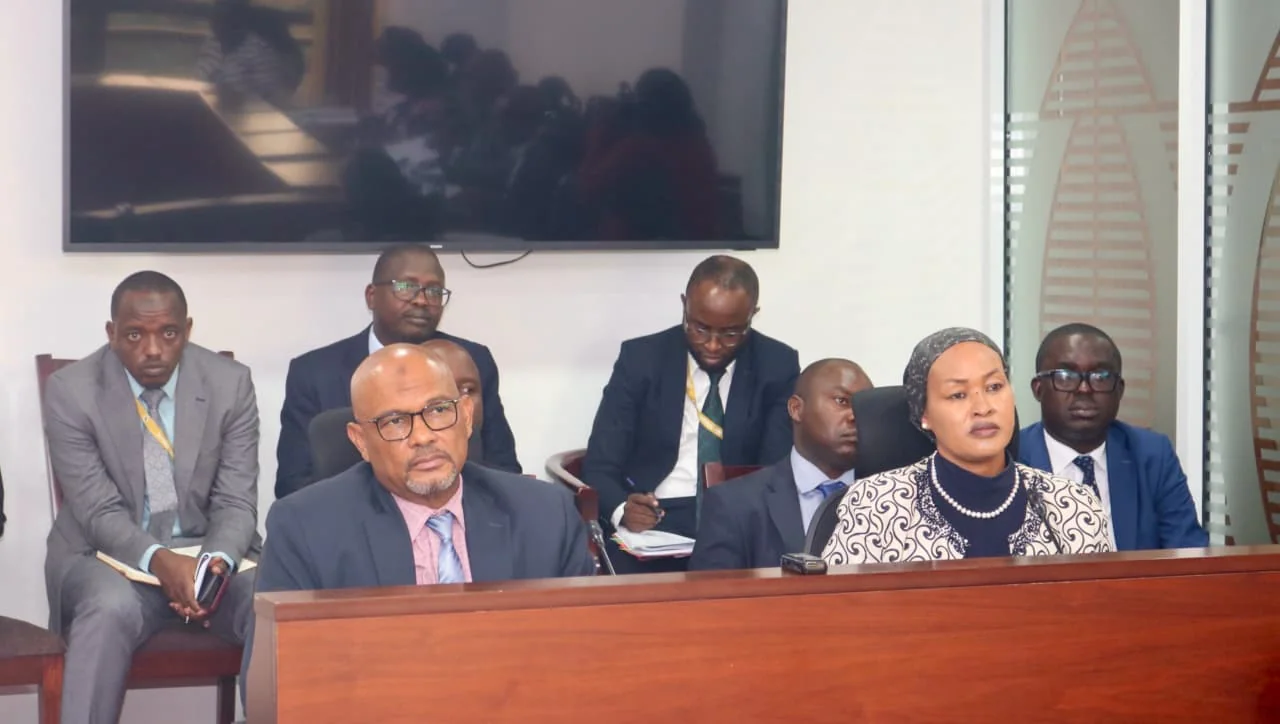
Appearing before the National Assembly Public Petitions Committee, NLC Chief Executive Officer Kabale Tache addressed questions surrounding Public Petition No. 59 of 2023, which focuses on long-standing claims over land on the slopes of Mount Kenya.
The petition is backed by squatters who say they have historical ties to the area and is rooted in land excisions carried out in 1975 and 1977.
The group argues that over 900 hectares were carved out of Mount Kenya Forest with the aim of settling landless families who had worked under the Taungya, or Shamba, system.
They further claim that instead of being used for resettlement, the land ended up under the ownership of the late former Lands Minister Jackson Harun Angaine, and later came to be occupied by his relatives, employees and associates, leaving the intended beneficiaries without access to it.
The matter has developed into one of the most prolonged land disputes linked to historical grievances, drawing multiple court cases, competing ownership claims and repeated calls for redress.
The NLC told MPs that the claim was first presented in 2017.
After investigations and hearings, the Commission issued a ruling in February 2019 that supported the return of the disputed land to the squatters.
It also proposed that if returning the land was not possible, the estate of the late Angaine should provide alternative land of equal size and value for resettlement.
That position was later challenged in court by the Angaine estate, leading to an order from the Environment and Land Court requiring a fresh hearing of the matter.
According to the Commission, the court directed it to reopen the case, hear all sides again, and issue a new determination. The rehearing brought in additional parties, including farmers, private investors and other groups who had since acquired portions of the land.
Tache told MPs that the outcome of the review process shaped the 2022 determination.
‘‘The 2022 determination does not constitute a departure from the Commission’s earlier position. Rather, it was the direct result of a judicial directive requiring a fresh hearing, expanded participation and reconsideration of all issues, including the rights of third parties and the practical feasibility of reverting the original excised parcels.’’ Tache said.
Under the 2022 framework, the Commission recommended that the Ministry of Interior identify and verify genuine squatters who had not benefited from earlier settlement programmes.
It also directed the Ministry of Lands and Physical Planning to confirm eligible beneficiaries before the Land Settlement Fund Board acquires land for resettlement.
In addition, the Commission proposed that the Estate of Jackson Angaine shoulder 25 percent of the resettlement costs.
MPs questioned whether the Commission had moved away from its earlier position that the land should be returned to the squatters.
The NLC maintained that its conclusion on historical injustice remained unchanged, even though the remedy had been adjusted.
On ownership issues, the Commission said the allocation process involving the Angaine family was irregular.
According to the NLC, “The Angaine Family contends that the two parcels of land were lawfully allocated to them by the President. However, the Commission found that the allocation process was irregular, as the President lacked the legal authority under Section 3 of the Government Lands Act (repealed) to allocate the said parcels.”
The Commission further stated that “The allocation resulted in the displacement and discrimination of the landless claimants, thereby constituting a historical land injustice arising from the administrative practices prevailing at the time.”
Even with those findings, the NLC told lawmakers that the situation on the ground had changed over time, noting that parts of the land had already been transferred to third parties, including multinational firms that have established major investments and created employment.
It said this development made it necessary to balance the rights of the squatters with existing legal interests and broader economic considerations.
The Public Petitions Committee will now deliberate on the Commission’s submissions before making recommendations to the National Assembly on the future of the Ontulili dispute.




Comments
Sign in with Google to comment, reply, and like comments.
Continue with Google