Rising fuel prices push Safaricom’s annual Diesel bill to Sh1.8 billion
The rising cost of diesel has emerged as a major challenge for telecom firms that rely on fuel-powered generators to keep network infrastructure running, particularly in remote areas where access to electricity remains limited.
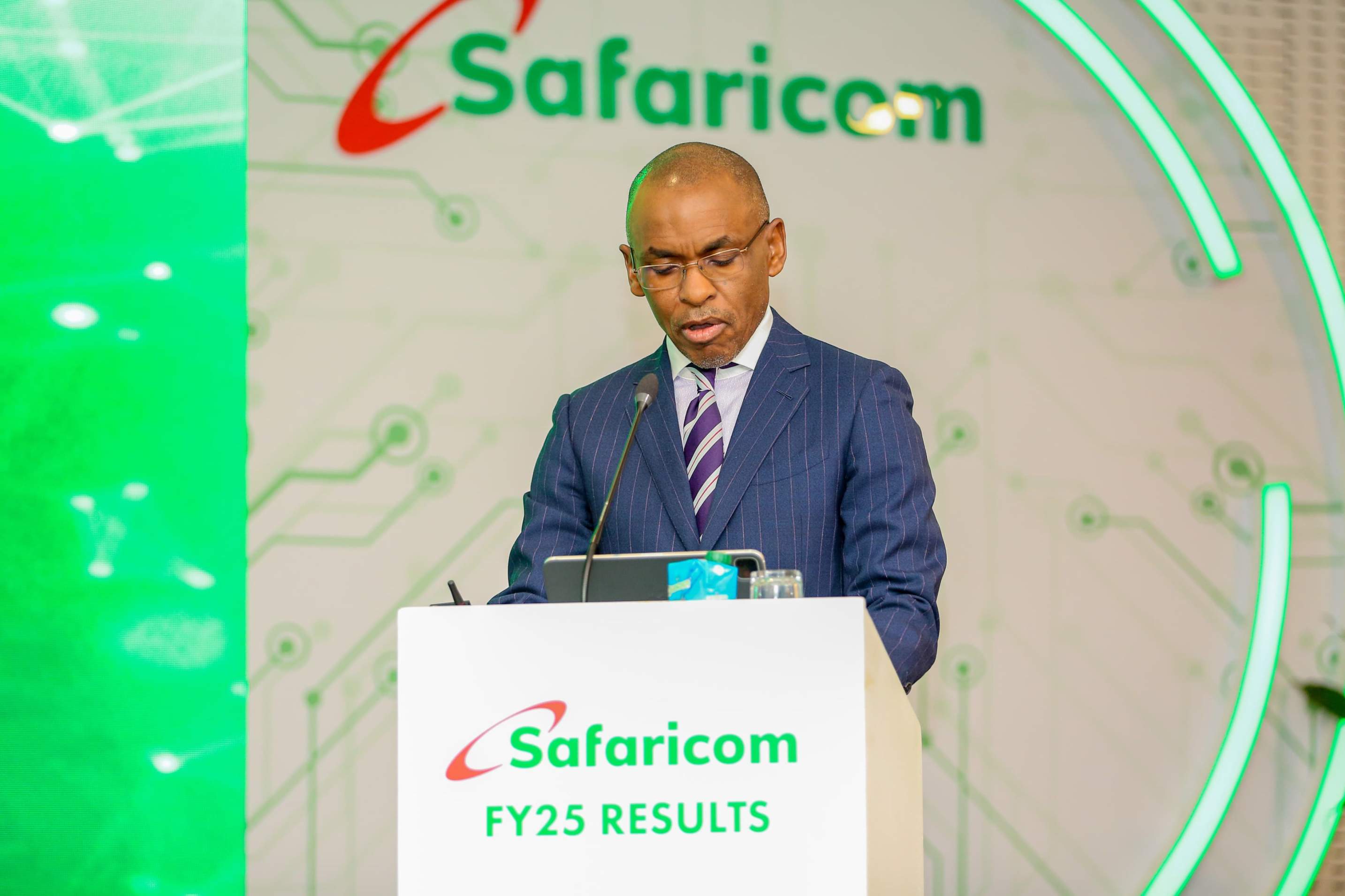
Kenya’s leading telecommunications operator, Safaricom, spent an estimated Sh1.8 billion on diesel in a year, underscoring the growing financial strain facing mobile network operators across Africa as fuel prices continue to climb.
The rising cost of diesel has emerged as a major challenge for telecom firms that rely on fuel-powered generators to keep network infrastructure running, particularly in remote areas where access to electricity remains limited.
Industry players warn that escalating fuel expenses are increasing the cost of delivering mobile and internet services and could affect network reliability if the trend persists.
The pressure has intensified amid ongoing tensions in the Middle East, which have contributed to higher global fuel prices and increased operating costs for businesses dependent on energy supplies.
According to the GSMA, mobile operators across the continent are among the sectors experiencing growing disruption from fuel market volatility.
“Rising fuel costs and supply pressures are putting network operations at risk,” GSMA said in a statement.
The industry body warned that fuel shortages and higher energy costs could have far-reaching consequences beyond telecommunications.
“Where digital gaps remain greatest, fuel shortages don’t just disrupt telecom operations; they threaten essential services, economic activity and broader digital progress,” the association said.
Telecom companies use diesel generators to power network towers in areas without grid electricity and to provide backup power during outages. As a result, any increase in fuel prices directly raises the cost of maintaining communications infrastructure.
Safaricom’s latest records show that it consumed 10.4 million litres of fuel during the year ending March 2025, up from 9.7 million litres the previous year. Based on an average diesel price of Sh175.27 per litre during the period, the expenditure exceeded Sh1.8 billion.
Meanwhile, Airtel Africa also reported that rising diesel prices weighed on its operations across East African markets in 2025.
“During the financial year, there was significant inflation in the price of fuel (diesel) putting pressure on our operating costs,” Airtel Africa said in its 2025 annual report.
In response, telecom operators are increasingly investing in alternative energy solutions to reduce dependence on diesel.
Safaricom and Airtel say they are expanding connections to national electricity grids and deploying more solar-powered systems at network sites.
GSMA has urged governments to ensure reliable fuel access for operators and recognise telecommunications infrastructure as critical national infrastructure.
The association also called for policies that support site protection and encourage investment in renewable energy solutions to strengthen network resilience and safeguard digital connectivity across Africa.




Comments
Sign in with Google to comment, reply, and like comments.
Continue with Google