Wanga faces Senate questions over Sh1.52bn pending bills and hospital funds
The audit showed that the county had accumulated pending bills amounting to Sh1.52 billion. Of this, Sh1.09 billion had remained unpaid for more than one year, while about Sh700 million had stayed unsettled for over three years.
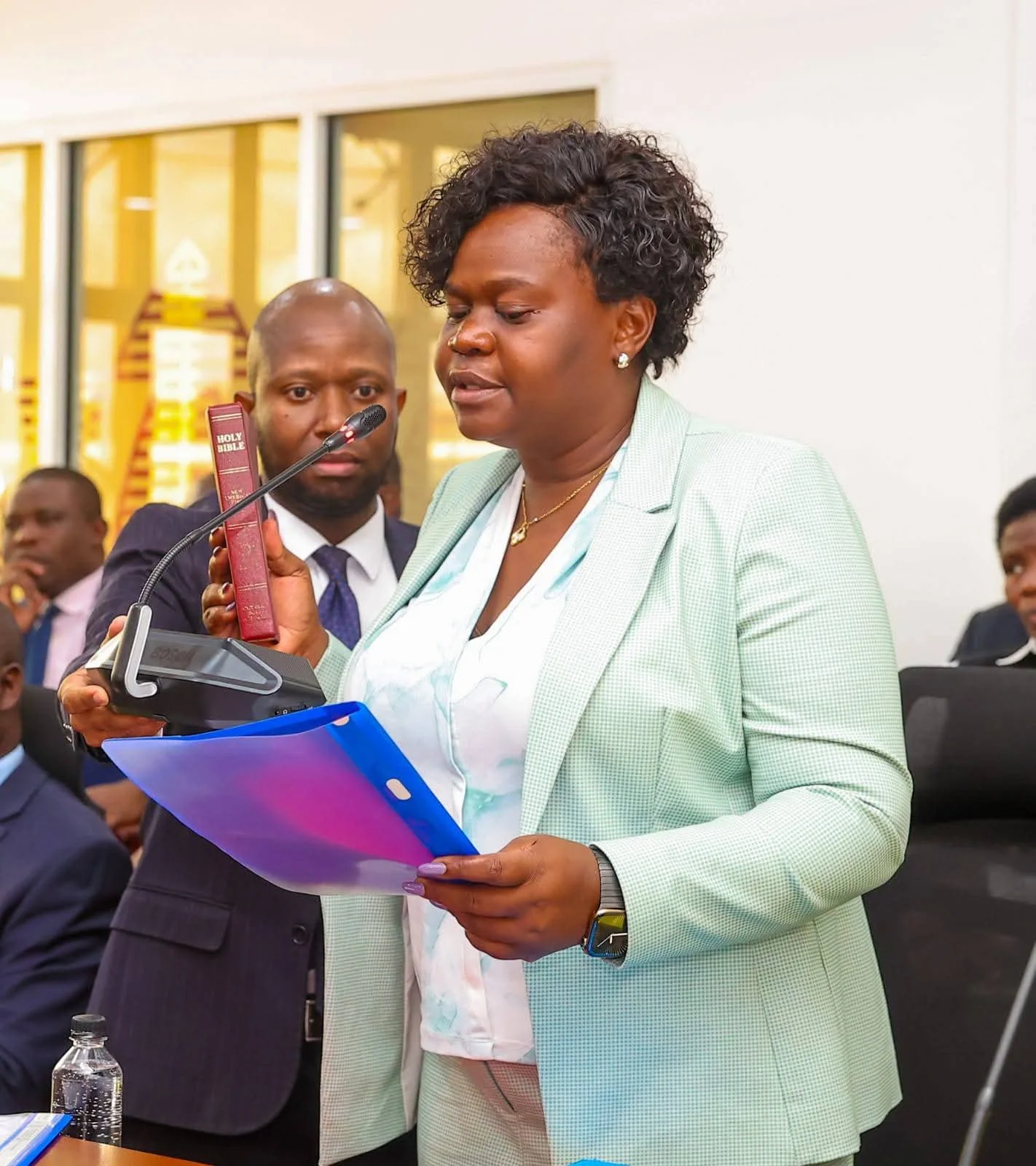
Homa Bay governor Gladys Wanga has defended her county’s financial records before the Senate following audit queries on pending bills, hospital revenues, and fuel expenditure. Senators focused on a Sh700 million gap in health facility collections and long-standing unpaid debts. She said repayment plans and delayed reimbursements explain the variances flagged in the report.
Appearing before the Senate County Public Accounts Committee, Wanga was required to respond to findings in the Auditor-General’s report for the 2024/25 financial year, which raised concerns over how the county handled billions in public funds.
The audit showed that the county had accumulated pending bills amounting to Sh1.52 billion. Of this, Sh1.09 billion had remained unpaid for more than one year, while about Sh700 million had stayed unsettled for over three years.
The report said the situation went against the Public Finance Management (County Government) Regulations, 2015, which require such obligations to be cleared as a priority.
Committee chairperson Moses Kajwang’ said the age of the debts pointed to weaknesses in financial management.
“When you have pending bills outstanding for over three years, it is indicative of a problem because payment of pending bills should be a first charge on the County Revenue Fund,” said Mr Kajwang’.
Wanga told senators that the county had already paid Sh713 million and was implementing a structured plan to clear the remaining balances. She said the county had signed a Pending Bills Action Plan with the Office of the Controller of Budget for the financial year ending June 30, 2026.
Under the plan, payments are scheduled in phases: Sh370.4 million in the first quarter, Sh379.2 million in the second quarter, Sh363.1 million in the third quarter, and Sh411.7 million in the fourth quarter.
“We are implementing the approved payment plan and have prioritised the settlement of eligible and verified pending bills, subject to availability of funds, in line with the law. The payment plan outlines the order of priority and timelines for settlement,” Wanga said.
The committee also examined health sector revenue after auditors flagged inconsistencies in the Facility Improvement Fund. According to the report, 24 health facilities collected Sh1.6 billion, but only Sh915 million was transferred to the Special Purpose Account as required, leaving a gap of nearly Sh700 million.
Nandi senator Samson Cherargei questioned the discrepancy. “The variance is almost 43 per cent of the total funds collected. Where did the money go?” he asked.
Wanga said the Sh915 million reflected reimbursements from the Social Health Authority during the period under review. She added that the county was still owed about Sh350 million, arguing that the gap was caused by delayed remittances rather than misuse of funds.
Auditors also raised concerns over Sh43.46 million spent on fuel, oil, and lubricants, citing weak documentation and control systems. They said some fuel withdrawals were authorised verbally and supporting records were not properly maintained, making it difficult to verify consumption.
Wanga maintained that all fuel expenditure followed the required approval procedures under the Public Finance Management Act and county regulations. She said records including work tickets, supplier receipts, and fuel registers supported the spending.
“The verbal instructions issued in certain instances were supplementary operational communications and did not replace the approved authorisation process. We have since strengthened controls to ensure that all fuel draw- downs are fully documented and traceable,” she said.
The Senate also questioned a sanitation project after audit observations suggested the county had spent nearly half a billion shillings on a two-door latrine. Wanga dismissed the claim, saying it resulted from a misinterpretation of project documentation.
She said the actual cost of such facilities ranges between Sh460,000 and Sh480,000 depending on location and site conditions.
The Senate committee is expected to continue reviewing the county’s responses before issuing its final recommendations on the audit findings.


Comments
Sign in with Google to comment, reply, and like comments.
Continue with Google