WMO Report: Extreme weather affected 13 million people, killed over 3,000 across Africa in 2025
The State of the Climate in Africa 2025 report released on June 18,2026 says floods were the most frequently reported hazard, accounting for more than half of all recorded extreme weather events. The impacts were felt across multiple sectors, including agriculture, water resources, health, infrastructure and livelihoods.
Extreme weather and climate-related disasters affected at least 13 million people and caused more than 3,000 deaths across Africa in 2025, according to a new report by the World Meteorological Organization (WMO), highlighting the growing human and economic toll of climate change across the continent.
The State of the Climate in Africa 2025 report released on June 18,2026 says floods were the most frequently reported hazard, accounting for more than half of all recorded extreme weather events.
The impacts were felt across multiple sectors, including agriculture, water resources, health, infrastructure and livelihoods.
The report warns that Africa is warming faster than the global average, with the rate of warming since 1991 substantially higher than during any previous 30-year period. The annual mean surface air temperature in 2025 ranked between the third and seventh warmest on record, depending on the dataset used.
"The signs of a changing climate are clear across Africa – from increasing temperatures and rising seas to damaging floods and drought," said WMO Secretary-General Celeste Saulo.
"This report shows not only the scale of the risks, but also the growing importance of early warnings, climate services and coordinated action to protect lives and livelihoods."
The report paints a stark picture of environmental change across the continent. Africa's glaciers have lost more than 90% of their area since the late nineteenth century. On Mount Kilimanjaro, glacier coverage has declined from 11.4 square kilometres in 1900 to less than one square kilometre in recent years.
Glaciers on Mount Kenya and the Ruwenzori Mountains have also shrunk dramatically. According to the report, ice coverage on Mount Kenya has reduced from 1.64 square kilometres in 1906 to just 0.07 square kilometres in recent years, while the Ruwenzori Mountains have lost more than 90% of their glacier area.
The sea levels along several African coastlines are also rising faster than the global average of 3.6 millimetres per year. The report recorded sea-level rise of around 4.2 millimetres annually along the Atlantic coast, 5.2 millimetres along the Indian Ocean coast and 5.6 millimetres in the Red Sea region.
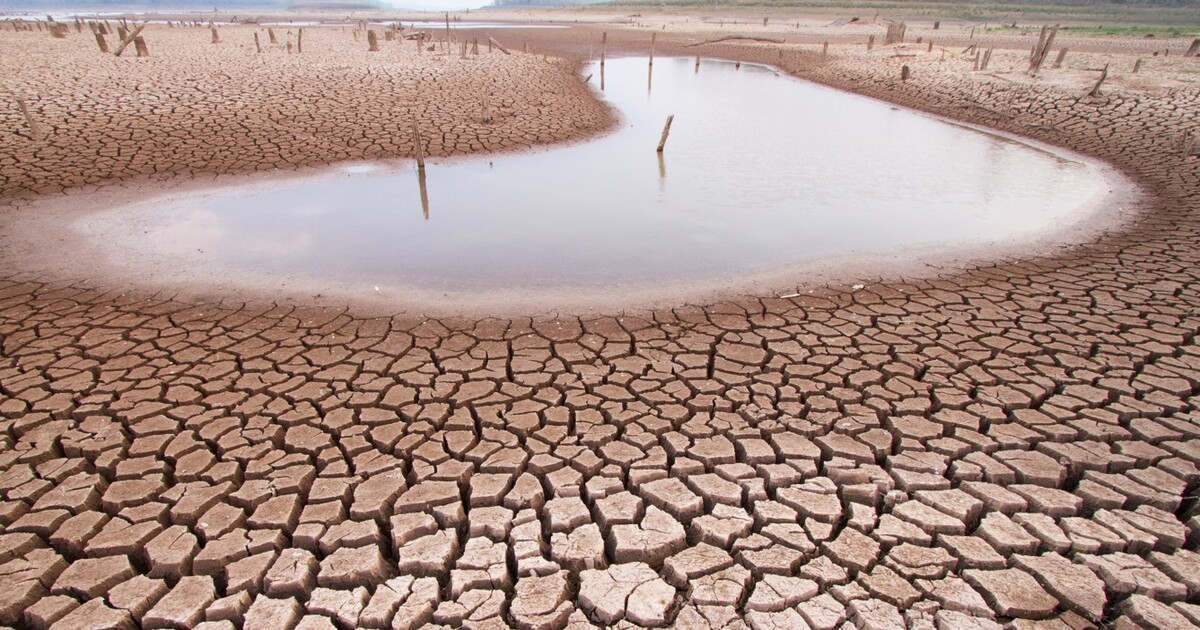
Flooding continued to be one of the deadliest climate-related hazards in 2025. Severe floods in Nigeria in May killed more than 200 people, while flooding in the Democratic Republic of Congo in April claimed more than 160 lives. Elsewhere, drought affected more than 8.5 million people across East Africa.
The WMO also highlighted growing concern over ocean warming, marine heatwaves and ocean acidification, which are threatening marine ecosystems and the livelihoods of coastal communities.
Despite mounting risks, the report notes progress in climate preparedness. Improved cooperation between meteorological agencies, disaster management authorities and local governments is strengthening early warning systems and response efforts.
However, significant gaps remain. Less than 40% of African countries currently have multi-hazard early warning systems capable of providing comprehensive preparedness and response measures.
The WMO says strengthening these systems will be critical as Africa faces increasingly severe climate impacts in the years ahead.




Comments
Sign in with Google to comment, reply, and like comments.
Continue with Google