Nearly 86,000 households hit as floods tighten grip across Kenya in 41 counties
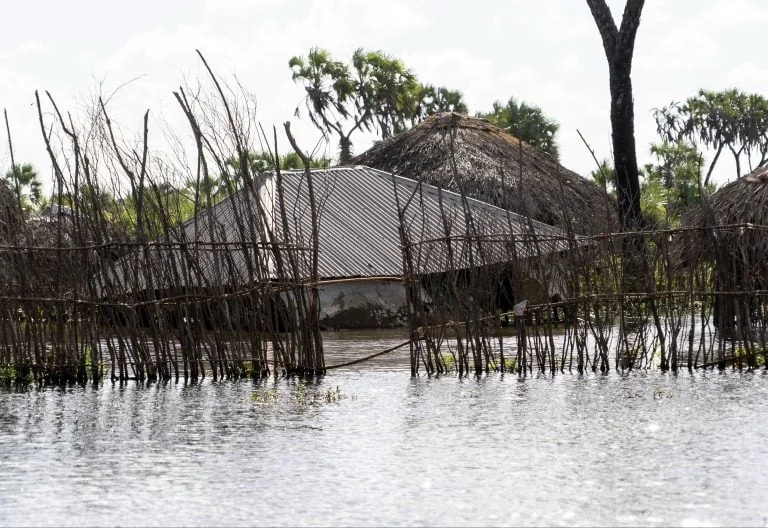
Kenya Red Cross says March–May rains affected 41 counties, impacting 85,993 households and displacing 18,587. The floods destroyed 355 water sources and wiped out 38,955 acres of farmland, including in Tana River’s Tana Delta.
Kenya is facing a growing flood emergency after heavy rains swept through 41 counties, affecting nearly 86,000 households, displacing thousands of families and destroying crops, water sources and livelihoods in what aid agencies describe as an increasingly severe humanitarian situation.
Data released by the Kenya Red Cross on Friday, June 5, 2026, shows that 85,993 households have been affected by the March-May rains, while 18,587 households have been forced to leave their homes as floodwaters continue to spread across different parts of the country.
The disaster has also destroyed 355 water sources and wiped out 38,955 acres of farmland, dealing a major blow to communities that depend on agriculture and livestock for survival.
“Flooding in Tana River County remains a severe but underreported crisis. Across Kenya, the March-May rains have affected 85,993 households across 41 counties, displacing 18,587, with 355 water sources destroyed and 38,955 acres of crops wiped out,” the statement read.
The latest figures point to mounting pressure on affected communities as families struggle with damaged homes, lost harvests and reduced access to clean water.
Among the hardest-hit areas is Tana River County, where flooding continues to isolate communities in the Tana Delta.
Villages including Miliki, Majaliwa and Onido remain cut off after roads linking them to neighbouring areas were submerged by rising waters, leaving residents with limited access to essential services.
The situation has been worsened by high water levels at Idsowe Bridge, which continue to fuel flooding downstream and hinder movement within affected areas.
Large stretches of farmland remain underwater, destroying crops and livestock and leaving many households without their main source of income.
As the crisis unfolds, Kenya Red Cross teams have been carrying out emergency operations in affected regions.
According to the humanitarian agency, 2,722 households have already received assistance, including hygiene supplies and other essential household items.
Even so, response efforts continue to face major obstacles as flooded roads and damaged infrastructure make it difficult for emergency teams to reach some communities that require urgent support.
The floods come at a time when global weather experts are warning of conditions that could bring even more rainfall to parts of East Africa later this year.
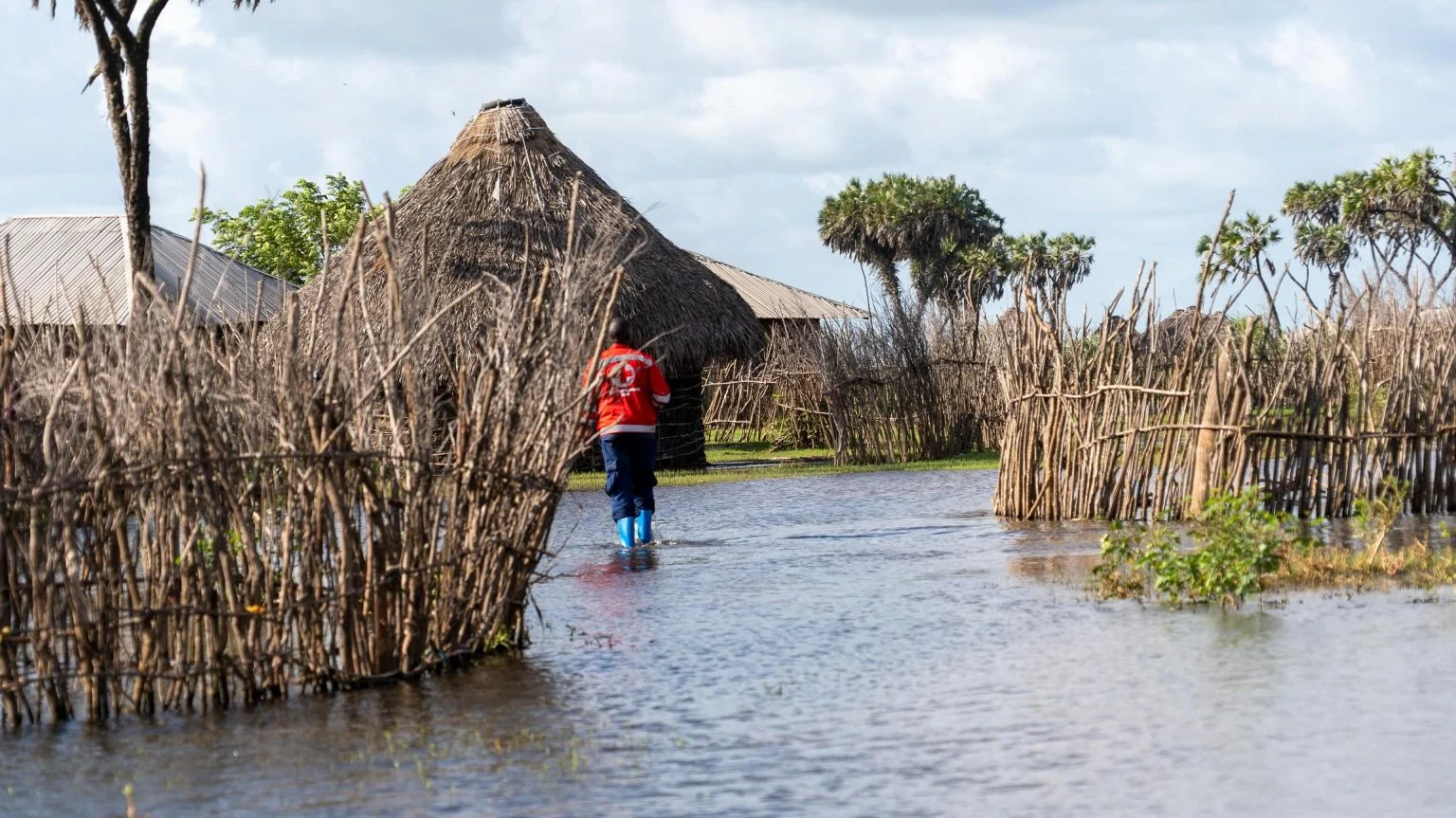 Kenya Red Cross team responding to flood emergency in Tana River.PHOTO/X
The World Meteorological Organisation (WMO) has projected an 80 per cent likelihood that El Niño conditions will develop between June and August 2026.
The weather phenomenon is expected to continue into November and could reach moderate to strong intensity.
“A new WMO El Niño/La Niña Update indicates an 80% likelihood of an El Niño event during June-August 2026,” WMO stated.
The organisation noted that El Niño often affects weather patterns across the globe, bringing changes in rainfall and temperatures that can trigger extreme weather events.
For East Africa, forecasts point to wetter-than-normal conditions, increasing concerns over floods, landslides, destruction of crops and further displacement of communities.
The WMO also warned that El Niño can produce sharp weather contrasts, resulting in excessive rainfall in some places while causing dry conditions in others.
Such shifts could create fresh challenges for food production and agricultural planning in many countries.
Forecasts show that the probability of El Niño persisting through November is above 90 per cent, raising fears that vulnerable regions could face prolonged weather-related disruptions.
The organisation further said the climate pattern is likely to contribute to higher global temperatures, with forecasts indicating warmer-than-average conditions across most parts of the world between June and August.
Across the Horn of Africa, including Kenya, Somalia, Ethiopia, Eritrea, Djibouti and South Sudan, weather models indicate a higher likelihood of above-normal rainfall.
The expected increase in rainfall has heightened fears of further flooding, landslides and damage to critical infrastructure and agricultural production.
Such impacts could interfere with food supplies, worsen food insecurity and increase displacement among vulnerable populations.
“Rainfall probabilities are typical of El Niño patterns, and this is likely to contribute to a greater probability of extremes (e.g. increased rainfall and flooding), as well as drier conditions and droughts,” WMO stated.
With large sections of affected areas still inaccessible, the Kenya Red Cross says ongoing flood response efforts remain under strain as communities continue to grapple with the effects of the disaster.




Comments
Sign in with Google to comment, reply, and like comments.
Continue with Google