JKUAT leader pushes law change to restore direct student elections
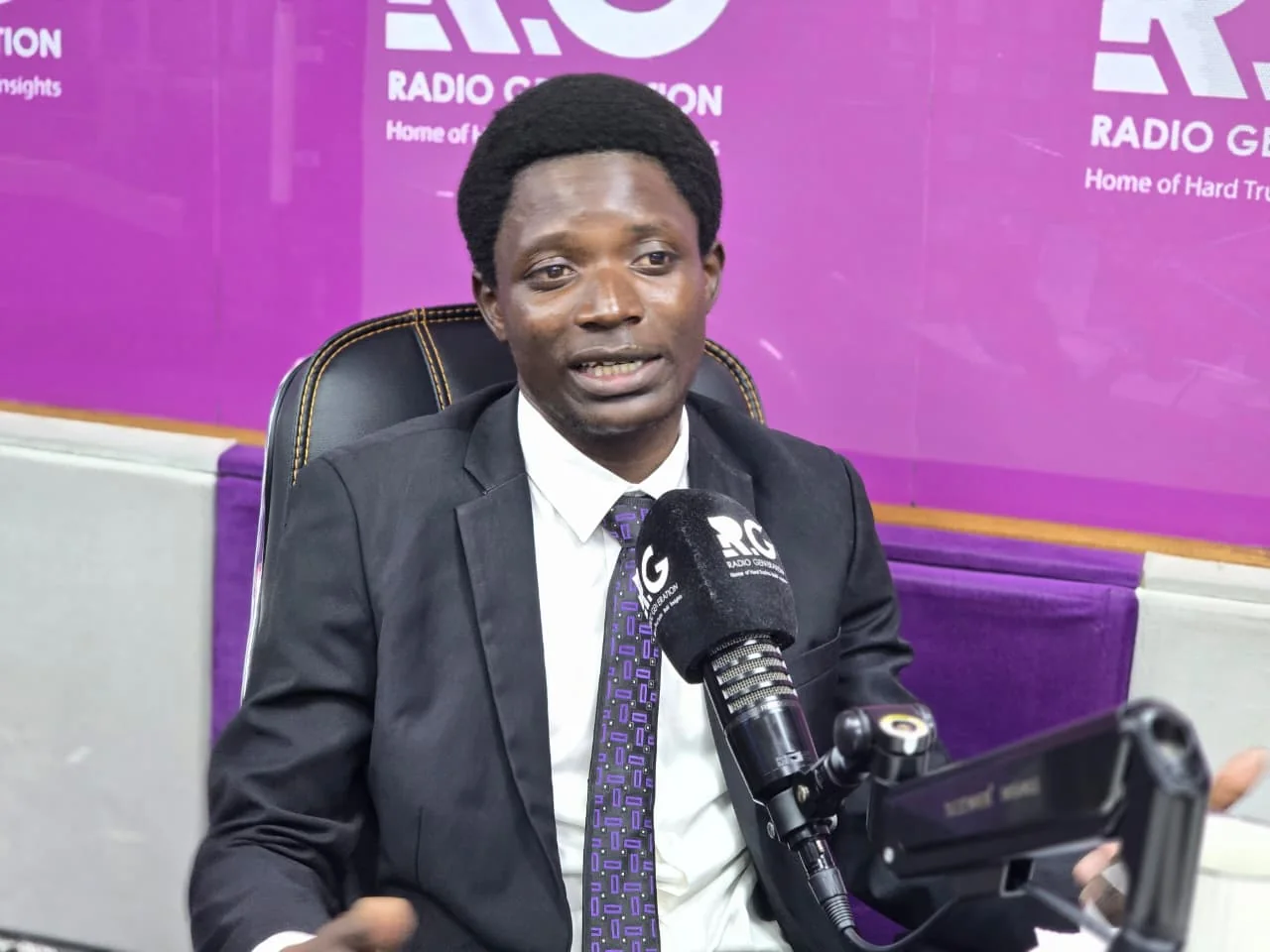
Speaking during a Radio Generation interview on Friday, Nyanduga said the petition was submitted to the Clerk of the National Assembly on May 21 and is aimed at reviewing the law governing student elections in universities across the country.
University students are seeking a major change in campus leadership elections through a petition before Parliament that would restore direct voting for student leaders, with advocates arguing that the current delegate system has fueled tribal politics, weakened accountability and stripped learners of their right to choose representatives.
The petition, which seeks amendments to Section 18B of the Universities Act, has been championed by JKUAT student leader Moses Nyanduga and two other university students. It proposes replacing the current delegate-based electoral college system with universal suffrage, allowing all students to directly elect their leaders.
Speaking during a Radio Generation interview on Friday, Nyanduga said the petition was submitted to the Clerk of the National Assembly on May 21 and is aimed at reviewing the law governing student elections in universities across the country.
He argued that while the delegate system was introduced to address election-related violence on campuses, it has instead weakened student leadership and denied thousands of learners the opportunity to directly participate in choosing their representatives.
"The current delegate system of electing student representatives in various universities in our republic is not sustainable. Each department produces three delegates who then elect leaders on behalf of more than 40,000 students. This has led to tribalism because different ethnic student associations sit down and agree on one of their own to occupy leadership positions. Which kind of tribal empowerment do you need in a 21st-century learning institution?"
According to Nyanduga, the system has also reduced the influence of student leaders in championing both campus and national issues.
"In the 1970s and 1980s, student activism played a major role in the struggle for multiparty democracy and constitutional reforms. Today, you find student leaders who cannot even sit down with security officers after a comrade is killed or engage authorities when there are delays in HELB payments. There is nobody raising the concerns of students the way it should be done."
He maintained that the delegate model goes against constitutional principles by denying students the sovereign power to directly elect their leaders.
The push to restore direct elections comes years after the introduction of the delegate-based system through the Universities (Amendment) Act, 2016.
The law, passed by Parliament and assented to by former President Uhuru Kenyatta in May 2016, replaced universal suffrage with an electoral college model. At the time, the government said the changes would help curb election violence, limit external political influence and promote inclusivity in student leadership.
However, the system has continued to attract criticism from student leaders, civil society groups and other stakeholders who argue that it has weakened democratic participation within universities.
Nyanduga acknowledged that incidents of violence in some institutions informed the introduction of the delegate system but said isolated cases should not have been used to deny students in all universities the right to directly elect their leaders.
"You cannot use the case study of one learning institution to judge all the remaining universities. If there were students causing violence, disciplinary action should have been taken against those individuals instead of denying students across more than 50 universities the right to elect their leaders directly."
He also dismissed concerns that direct elections would be costly or difficult to administer, saying universities already have adequate structures to conduct peaceful polls.
"Kenya has enough security machinery to manage more than 20 million voters during a General Election. You cannot reason that a university with 44,000 students can defeat the government's security machinery. Through civic education, departmental polling stations and proper supervision, students can prove that peaceful direct elections are possible, and that is why we are asking Parliament to amend the Act."
Nyanduga said restoring universal suffrage would strengthen accountability, improve student representation and give learners a direct voice in determining who leads them. He expressed confidence that Parliament would consider the proposed changes and help return what he described as a key democratic right to university students.


Comments
Sign in with Google to comment, reply, and like comments.
Continue with Google