Three regional blocs oppose Israel's annexation and displacement policies
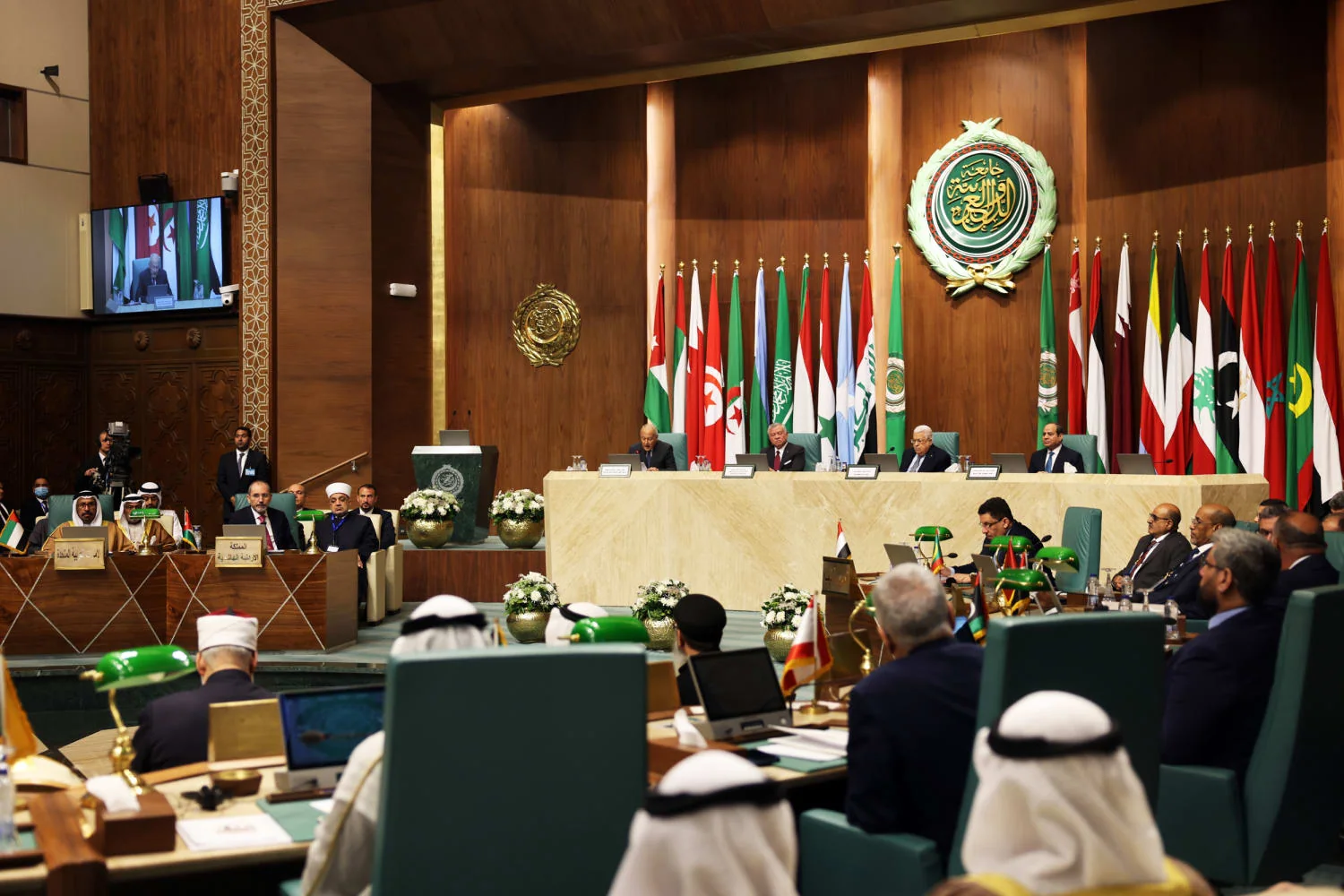
In a joint statement issued on Wednesday, the heads of the three organizations accused Israel of violating international law and urged the international community to intervene to protect Palestinians and halt policies of annexation, displacement and settlement expansion.
The League of Arab States, the African Union (AU) and the Organization of Islamic Cooperation (OIC) have jointly condemned Israel's continued settlement expansion and annexation activities in the Occupied Palestinian Territory, warning that the measures threaten the rights of Palestinians and undermine efforts toward a peaceful resolution of the conflict.
In a joint statement issued on Wednesday, the three organizations expressed concern over the E1 settlement project and plans affecting the Al-Khan al-Ahmar Bedouin community east of Jerusalem, calling on the international community to take urgent action to stop policies they said were driving displacement and territorial expansion in occupied areas.
The statement was signed by Ahmed Aboul Gheit, Secretary-General of the League of Arab States, Mahmoud Ali Youssef, Chairperson of the African Union Commission, and Hissein Brahim Taha, Secretary-General of the Organization of Islamic Cooperation.
The three organizations described Israel's settlement policy as "a flagrant violation of international law and relevant United Nations resolutions", while reaffirming their rejection of what they termed invalid measures in the occupied territories.
They accused Israel of undermining the rights and freedoms of Palestinians and argued that actions being carried out in the occupied territory were weakening prospects for a negotiated settlement to the long-running conflict.
The statement urged the international community "to assume its legal and political responsibilities and to take effective steps to provide international protection for the Palestinian people and to halt all Israeli occupation policies based on annexation, displacement, siege and colonial settlement."
The organizations further stated that such policies "constitute ethnic cleansing and war crimes under international law" and warned that they posed a serious threat to the viability of a two-state solution based on internationally recognised parameters.
The three bodies also criticised measures taken against international non-governmental organizations operating in the occupied territory, citing concerns over restrictions, criminalization of activities and the targeting of humanitarian workers.
They stressed the importance of humanitarian agencies, particularly the United Nations Relief and Works Agency for Palestine Refugees in the Near East (UNRWA), saying the organizations play a vital role in relief operations and recovery efforts for affected communities.
"The heads of the three organizations call upon the Israeli occupation authorities to immediately, fully, and unconditionally lift all restrictions imposed on the work of international non-governmental organizations," the statement said.
The leaders also called on international actors to press Israel to release Palestinian tax revenues they said had been withheld, arguing that the funds were necessary for Palestinian institutions to continue delivering essential public services and supporting communities facing growing challenges.
The statement focused heavily on the E1 settlement plan, a long-disputed project east of Jerusalem that aims to connect the settlement bloc of Ma'ale Adumim with Jerusalem through the construction of thousands of housing units.
According to the organizations, continued progress on the project could have far-reaching consequences for the future of a Palestinian state. Critics have argued that the development would divide the occupied West Bank and make it more difficult to establish a geographically connected Palestinian state, while Israeli authorities have defended the plan as part of broader development and security objectives.
Recent reports indicate that planning and tender processes linked to thousands of housing units connected to the E1 project have continued to move forward.
The organizations also highlighted concerns surrounding Al-Khan al-Ahmar, a Bedouin community located near the E1 corridor that has remained at the centre of legal and political disputes over relocation and land use for years.
They noted that international organizations and several governments have repeatedly expressed concern about the possible displacement of residents and the wider impact such a move could have on the territorial continuity of a future Palestinian state.




Comments
Sign in with Google to comment, reply, and like comments.
Continue with Google