Nairobi traffic set for fresh strain as KURA rolls out partial road closures for viaduct works
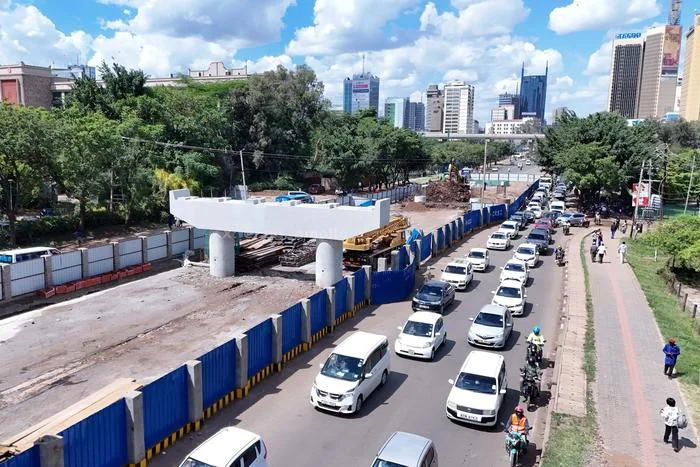
The works form part of the wider Valley Road Viaduct project, which is aimed at easing chronic congestion in Nairobi by separating through traffic from local traffic entering the city centre.
Movement in and out of Nairobi’s city centre is set to become slower and more demanding after the Kenya Urban Roads Authority (KURA) confirmed partial closure of several key roads to allow construction of a new elevated transport link under the Valley Road Viaduct project.
The affected routes, which serve thousands of commuters daily between the Central Business District, Upper Hill, Community area and surrounding commercial zones, will undergo phased restrictions as construction of bridge sections gets underway.
In its public notice released on Thursday, KURA stated that parts of Kenyatta Avenue, Valley Road and Jakaya Kikwete Road will be partially closed beginning June 12, 2026, with the restrictions expected to remain in place until February 12, 2027.
The authority further indicated that a section of Haile Selassie Avenue will also be partially closed from June 12, 2026, to October 12, 2026, to support construction of another bridge component tied to the same project.
KURA said the move is part of safety requirements and project execution needs, noting that traffic will still be managed within the affected sections.
"We urge motorists to use alternative routes as shown in the sketch and to follow guidance by traffic police and marshals," the authority said in the notice.
Although the official closures are yet to fully take effect, construction activity was already visible along some of the affected roads during a spot check, signalling early groundwork for the project.
The announcement has, however, triggered concern among road users and city residents, with many warning that the extended construction period could worsen congestion in an already heavily strained transport network.
Questions have been raised about the eight-month timeline, especially given the importance of the affected junctions in connecting Nairobi’s busiest business districts.
Among those who raised concern was social media user Hellen Ndung'u, who questioned the duration of the disruption and its impact on motorists.
"Please be considerate to road users. Eight months of road closure for one of the most important and already busy road arteries and intersections is unacceptable. What's necessitating this?
There are almost no suitable alternatives to that junction for vehicle traffic using it," she posted on X.
In response, KURA defended the phased closures, saying only portions of the roads will be affected and not entire stretches. The authority also insisted that traffic control measures have been designed to keep vehicles moving.
KURA chief corporate communications officer John Cheboi said traffic marshals will be deployed across the construction zones throughout the project period to guide motorists and reduce delays.
He added that the timeline provided is an estimate and could be shortened depending on how quickly construction progresses.
"It may not actually take that long as we had said. It is very stressful putting up the beams, but once we are done, there will be a flow of traffic on those roads," he added.
According to the authority, diversion routes will be set up around the construction zones to ensure continued movement of vehicles through the city.
The works form part of the wider Valley Road Viaduct project, which is aimed at easing chronic congestion in Nairobi by separating through traffic from local traffic entering the city centre.
Once completed, the elevated roadway is expected to link Valley Road with Kenyatta Avenue, allowing motorists moving between Ngong Road, Upper Hill and the CBD to bypass several busy intersections and traffic signals that often cause long delays.
Transport planners say the project is designed to improve traffic flow and reduce travel time across one of Nairobi’s most congested urban corridors.




Comments
Sign in with Google to comment, reply, and like comments.
Continue with Google