Budget deadlock forces City Hall to rely on emergency spending rules
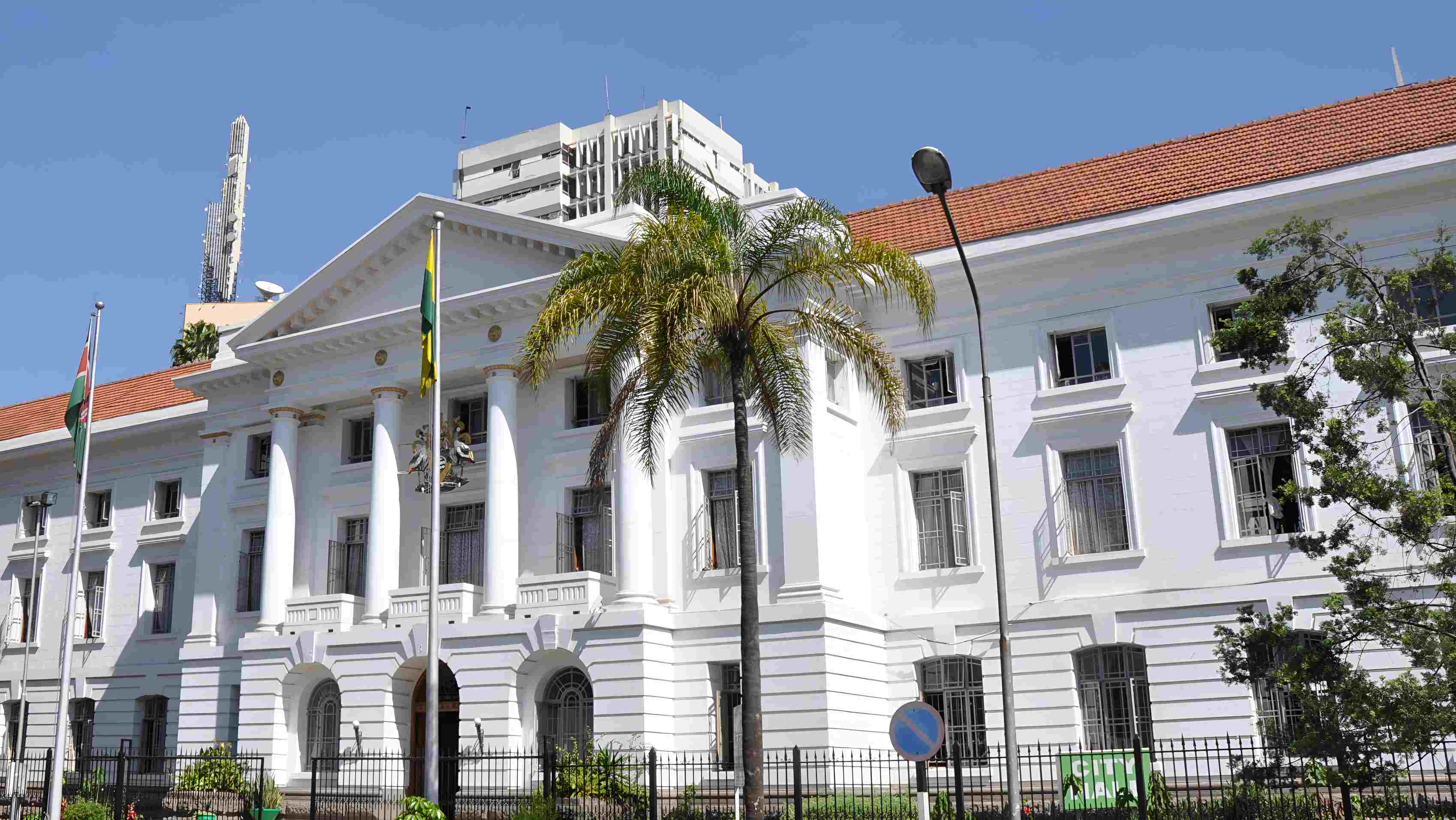
At the centre of the dispute is a growing fallout between Governor Johnson Sakaja’s administration and Members of the County Assembly, with legislators accusing the executive of failing to provide sufficient information on key financial proposals before seeking approval.
Nairobi City County has begun the 2026/27 financial year under tight spending restrictions after a prolonged disagreement between the county executive and the County Assembly left the capital without an approved budget by the legal deadline.
The failure to pass the budget before June 30 means the county can only access up to half of the previous financial year’s approved budget to keep essential services running, as provided for under the Public Finance Management (PFM) Act. The arrangement will remain in place until the Assembly approves the budget and the required Appropriation Act.
The delay has also put the county outside the timelines set by the PFM Act, which requires county governments to have approved budgets in place before the start of a new financial year on July 1.
At the centre of the dispute is a growing fallout between Governor Johnson Sakaja’s administration and Members of the County Assembly, with legislators accusing the executive of failing to provide sufficient information on key financial proposals before seeking approval.
County Assembly Majority Leader Peter Imwatok said the executive ignored several requests to appear before the Assembly and explain the budget proposals before lawmakers proceeded on recess. He further linked the stalemate to changes in the county's finance leadership following the exit of former Finance CEC Charles Kerich.
“If they were ready, they could have requested the Assembly to convene a special sitting and pass the budget. But the issues raised by the Assembly must first be answered. We cannot process more than three documents in one sitting,” Imwatok said on Tuesday.
According to him, MCAs were presented with several major financial documents at the same time, including annual budget estimates, a supplementary budget and borrowing proposals, leaving little room for proper scrutiny.
“We are asking questions that have not been answered. We want details of this borrowing, why the supplementary budget is being introduced on the last day of the financial year, who prepared it and whether the Assembly was involved,” he said.
Imwatok also accused the executive of failing to release funds allocated to the Assembly and neglecting pending financial obligations.
“The Assembly’s allocation as required by law has not been released. There are many outstanding issues. We have asked the government to address them and we are waiting for a response,” he said.
Majority Whip Moses Ogeto warned that continued delays could affect development programmes across the city, saying MCAs still lacked adequate information on how development funds would be spent.
“The MCAs want to understand the budget, especially the development expenditure, but the Executive has not explained anything to us,” Ogeto said.
He also pointed to delays in the gazettement of Ibrahim Nyangoya Auma as the substantive Finance executive, arguing that the Assembly should not be blamed for the current situation.
“There is a crisis because of the delay in gazetting the Finance CECM. The law is clear. Now that he has been gazetted, he should come before the Assembly and explain the budget,” he said.
The county executive, however, maintains that it completed its role in the budget process and faulted MCAs for failing to return and pass the spending plan.
A senior county official said the administration had submitted the required documents and was ready for approval before legislators went on recess.
“From our side we were ready. We had the budget and everything. When we asked the MCAs to come and pass it, they said they were on recess and unavailable. Either way, we shall continue operating within what the law allows, which is access to 50 per cent of the previous budget,” the official said.
The budget dispute comes at a time when questions have also been raised about some allocations contained in the proposed spending plan.
Woodley/Kenyatta Golf Course MCA Davidson Ngibuini, popularly known as DNG, has formally written to Governor Sakaja, the Controller of Budget and other oversight institutions, alleging irregularities in the budget framework.
In a letter dated June 25, the MCA claimed that Sh1 billion allocated to the Dishi na County school feeding programme was incorrectly listed as development expenditure instead of recurrent expenditure.
Ngibuini argued that the programme involves routine operational costs and should not be counted as development spending.
According to him, once the Health Committee moved the allocation to recurrent expenditure, the county’s development budget dropped below the constitutional and legal threshold requiring at least 30 per cent of total spending to be directed towards development projects.
He said MCAs would resist approving the budget until the concerns are addressed.
“The School Feeding Programme has been illegally and irregularly misappropriated as a Development Vote instead of a Recurrent Vote to the tune of Sh1 billion. Clearly, feeding school children, as it is, does not fall under the Development Expenditure threshold. It is a recurrent expenditure,” he said.
While county services will continue, the spending restrictions imposed under the PFM Act limit what the county can do until a new budget is approved. The law allows access to part of the previous year's budget for essential operations such as salaries and critical public services.
However, new development projects cannot proceed under the arrangement, procurement for capital investments remains restricted and payments linked to such projects may face delays until the Assembly passes the budget and the Controller of Budget authorises full access to county funds




Comments
Sign in with Google to comment, reply, and like comments.
Continue with Google