NCIC warns funding gaps threaten unity efforts ahead of 2027 polls
Despite the latest increase, Omae maintained that predictable and sustained funding remains necessary to support civic education programmes, peace campaigns, hate speech monitoring and grassroots cohesion activities ahead of the next General Election.
The National Cohesion and Integration Commission (NCIC) has raised concern that inadequate and inconsistent funding is weakening its ability to carry out peacebuilding, civic education and national cohesion programmes at a time when the country is preparing for the 2027 General Election.
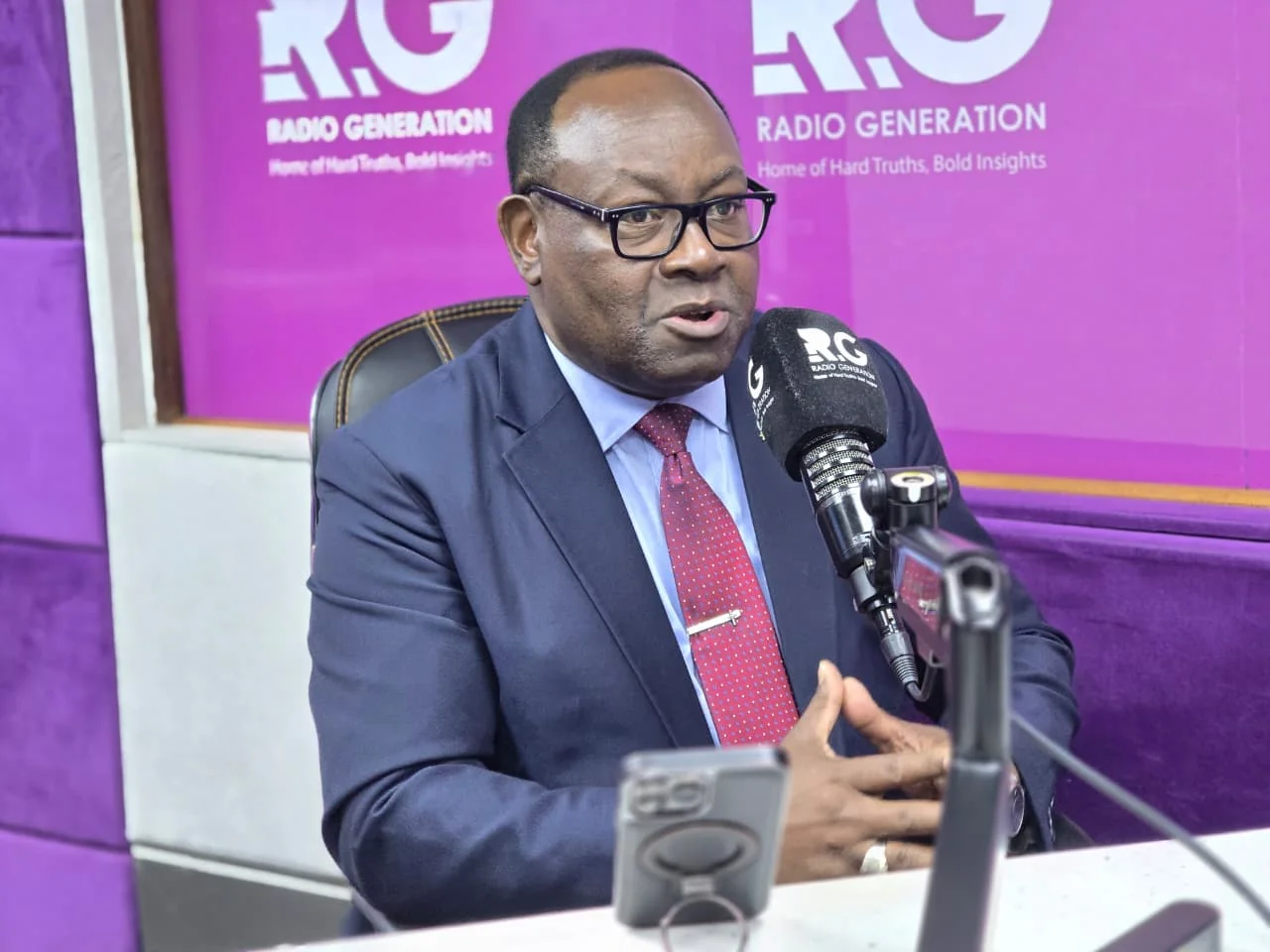
Speaking during a Radio Generation interview on Thursday, NCIC Chairperson Bishop Dr. Kepha Nyamweya Omae said the commission requires stable financial support to sustain efforts aimed at promoting national unity, preventing conflicts and encouraging peaceful coexistence across communities.
He noted that lasting peace cannot be built through activities conducted only during election periods, saying cohesion work demands continuous engagement with citizens and leaders throughout the electoral cycle.
Omae said the commission spent its first month in office reviewing its operations, studying previous work and identifying areas that require attention before rolling out its priorities.
"We came up with the first 100 days in office. We began by first of all scanning the environment, getting to know what has been going on. The work that has already been done is very exciting to see. There is so much the third commission had done, a lot of research, a lot of writing. We have structures and systems which had been put in place, and now we are building on the foundations that have already been laid."
He said NCIC inherited strong structures and valuable research from previous commissioners and is now focused on building on those achievements.
However, he stressed that the commission's ability to fully deliver on its mandate depends on the resources available to support its programmes.
"It is interesting when you look at the mandate of NCIC. This is the commission that is mandated to promote national unity, promote peaceful coexistence, bring the country together, among other things, not only during elections, but even before and after elections."
His remarks come amid concerns over changes in the commission's budget allocations over the last four financial years.
Treasury figures show that NCIC received Sh545.85 million in the 2022/23 financial year. The allocation later rose to Sh627.98 million in the 2024/25 financial year before falling to Sh511.18 million in 2025/26, representing a reduction of more than Sh116 million.
The commission's allocation for the 2026/27 financial year has since increased to about Sh689.85 million, reversing the earlier cut.
Despite the latest increase, Omae maintained that predictable and sustained funding remains necessary to support civic education programmes, peace campaigns, hate speech monitoring and grassroots cohesion activities ahead of the next General Election.
He said Kenya's diverse communities require continuous engagement and investment in programmes that strengthen national unity and social harmony.
"Bringing all these communities together is an uphill task because of the culture, subcultures and the way we do things. If we cannot have peaceful campaigns and social cohesion programmes riding on the structures that exist, from village elders upwards, and engage them continuously on the importance of upholding brotherhood, then we lose it."
According to the NCIC chair, strengthening cohesion among communities requires regular interaction with citizens at the grassroots and sustained efforts to shape attitudes among young people.
"That calls for funding. That calls for proper resourcing. We have these young people drawn from different communities. How do we shape their thinking so that when you see somebody from another community, you see him or her as your brother or sister? That calls for continuous civic education and continuous engagement. We do not have to wait until election time."
Omae described NCIC as one of the country's most underfunded commissions, saying repeated budget reductions have limited its ability to implement programmes across the country.
While acknowledging that government resources are stretched across many sectors, he argued that peace and national unity are essential foundations for development and effective governance.
He said the commission requires adequate operational resources to conduct peace campaigns, civic education and community outreach activities in different parts of the country.
The chairperson added that NCIC needs vehicles, learning materials and sufficient funding to support engagement with elders, youth groups, women groups and other community stakeholders at the grassroots level.
He emphasized that the commission's challenge is not the payment of staff salaries, which are already catered for, but the lack of adequate resources to finance programmes and field operations needed to fulfil its constitutional mandate.


Comments
Sign in with Google to comment, reply, and like comments.
Continue with Google