SRC to appeal court ruling on Judges’ car allowance, cites constitutional breach
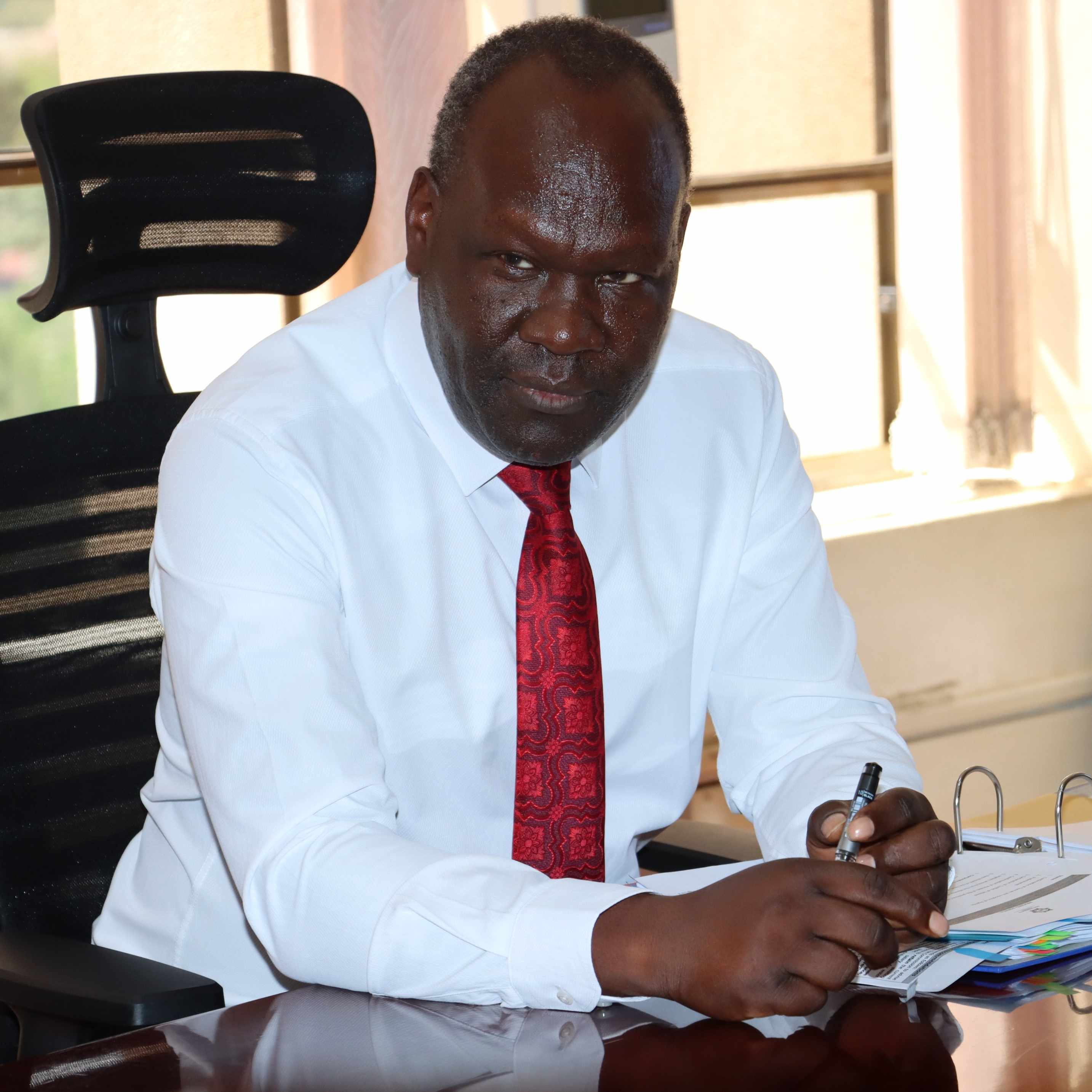
SRC maintains that the introduction of the car allowance for judges in 2011 was done without its involvement, contrary to Article 230(4)(a) of the Constitution, which grants it exclusive authority to set and review remuneration and benefits for all state officers.
The Salaries and Remuneration Commission (SRC) has announced plans to challenge a recent Court of Appeal judgment upholding a taxable car allowance for judges, terming the decision unconstitutional and financially burdensome to taxpayers.
In a statement issued in Nairobi on Thursday, the commission said it had received the March 25 ruling with great concern, arguing that it undermines its constitutional mandate and risks opening the door to increased public expenditure.
“The ruling is an unconstitutional overreach that undermines SRC’s mandate and places an undue burden on the Kenyan taxpayer,” the commission said.
SRC maintains that the introduction of the car allowance for judges in 2011 was done without its involvement, contrary to Article 230(4)(a) of the Constitution, which grants it exclusive authority to set and review remuneration and benefits for all state officers.
“Under Article 230(4)(a) of the Constitution, the exclusive mandate to set and regularly review the remuneration and benefits of all State officers — including judges — is vested solely in SRC,” the statement noted.
The commission further argued that the original tax exemption tied to the benefit violated Article 210(3) of the Constitution, which prohibits exempting state officers from tax obligations by virtue of their office.
According to SRC, the Court of Appeal decision fails to uphold both the “text and spirit of the Constitution” in relation to remuneration and taxation of public officials.
Beyond constitutional concerns, the commission warned of significant fiscal implications if the allowance is maintained.
It said judges already receive official transport as part of their benefits, making the car allowance redundant.
“Sustaining the taxable car allowance for judges constitutes double compensation,” SRC said, adding that the continued payment could cost taxpayers more than Sh2.5 billion every four years.
The commission also raised concerns about a potential ripple effect, cautioning that other state officers could seek similar benefits on grounds of fairness, further straining public finances.
“This judgment may trigger a ripple effect, with other State officers seeking the benefit… a development that could cost taxpayers billions more,” the statement warned.
SRC additionally questioned the ethical dimensions of the case, pointing to what it described as a conflict of interest involving judges presiding over a matter in which they have a direct financial stake.
“This ethical breach strikes at the very foundation of judicial impartiality,” the commission said.
The statement revealed that SRC had previously sought the recusal of judges and proposed alternative dispute resolution mechanisms during earlier High Court proceedings, but the request was declined.
In response to the appellate court’s decision, SRC confirmed it will escalate the matter to the Supreme Court of Kenya, citing the need for a definitive interpretation of key constitutional provisions.
“In light of the weighty constitutional questions at stake… SRC will promptly file an appeal at the Supreme Court of Kenya,” it said.
The commission reiterated its commitment to safeguarding public resources and ensuring equitable and transparent management of state officers’ remuneration.
“SRC remains unwaveringly committed to upholding the Constitution and ensuring the prudent, equitable, and transparent management of State officers’ remuneration and benefits in the public interest,” the statement concluded.
The case is expected to have far-reaching implications on public sector compensation and the interpretation of constitutional mandates governing state officers’ benefits.




Comments
Sign in with Google to comment, reply, and like comments.
Continue with Google