Kindiki: VAT cut and Sh12bn fuel subsidies aim to cushion global price rise
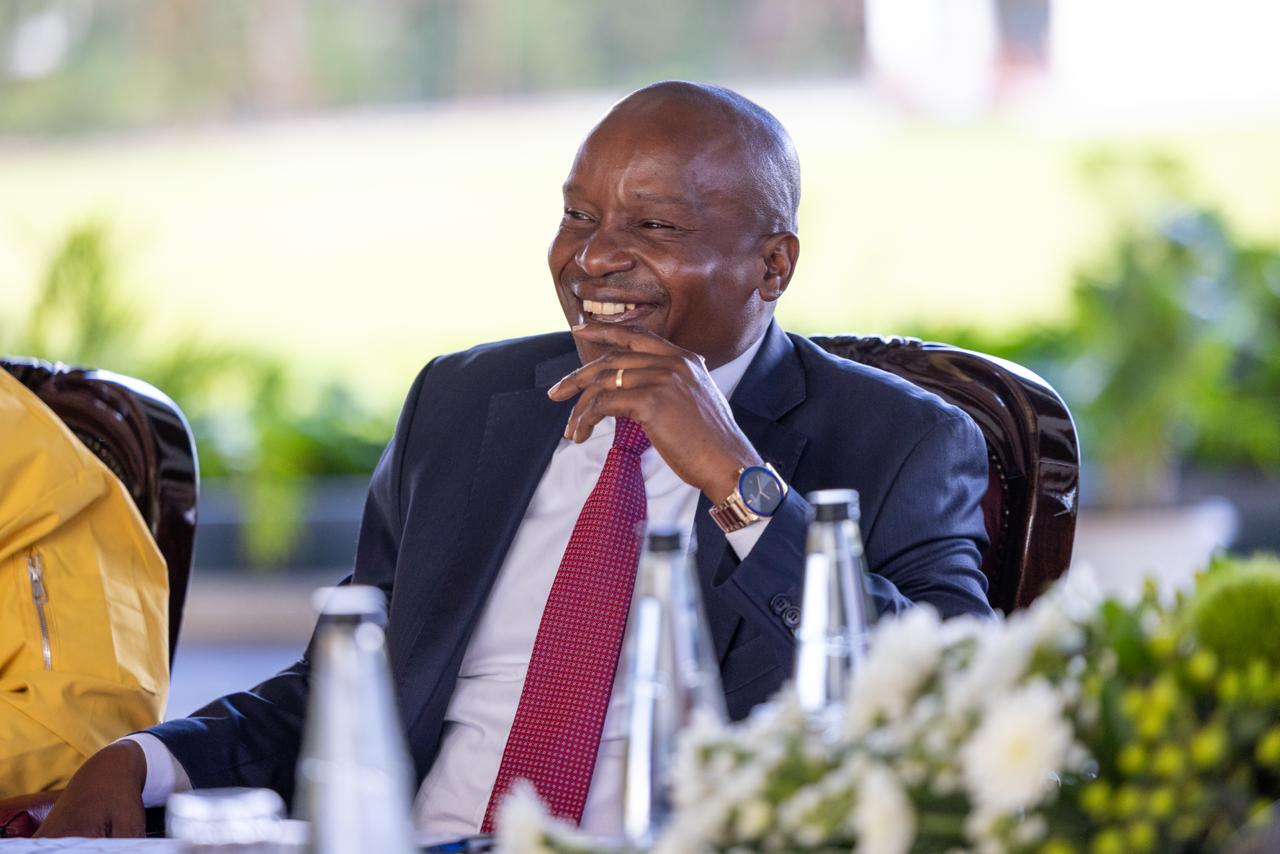
According to Kindiki, Value Added Tax on petroleum products has been reduced from 16% as part of efforts to ease the burden on households and businesses facing rising living costs.
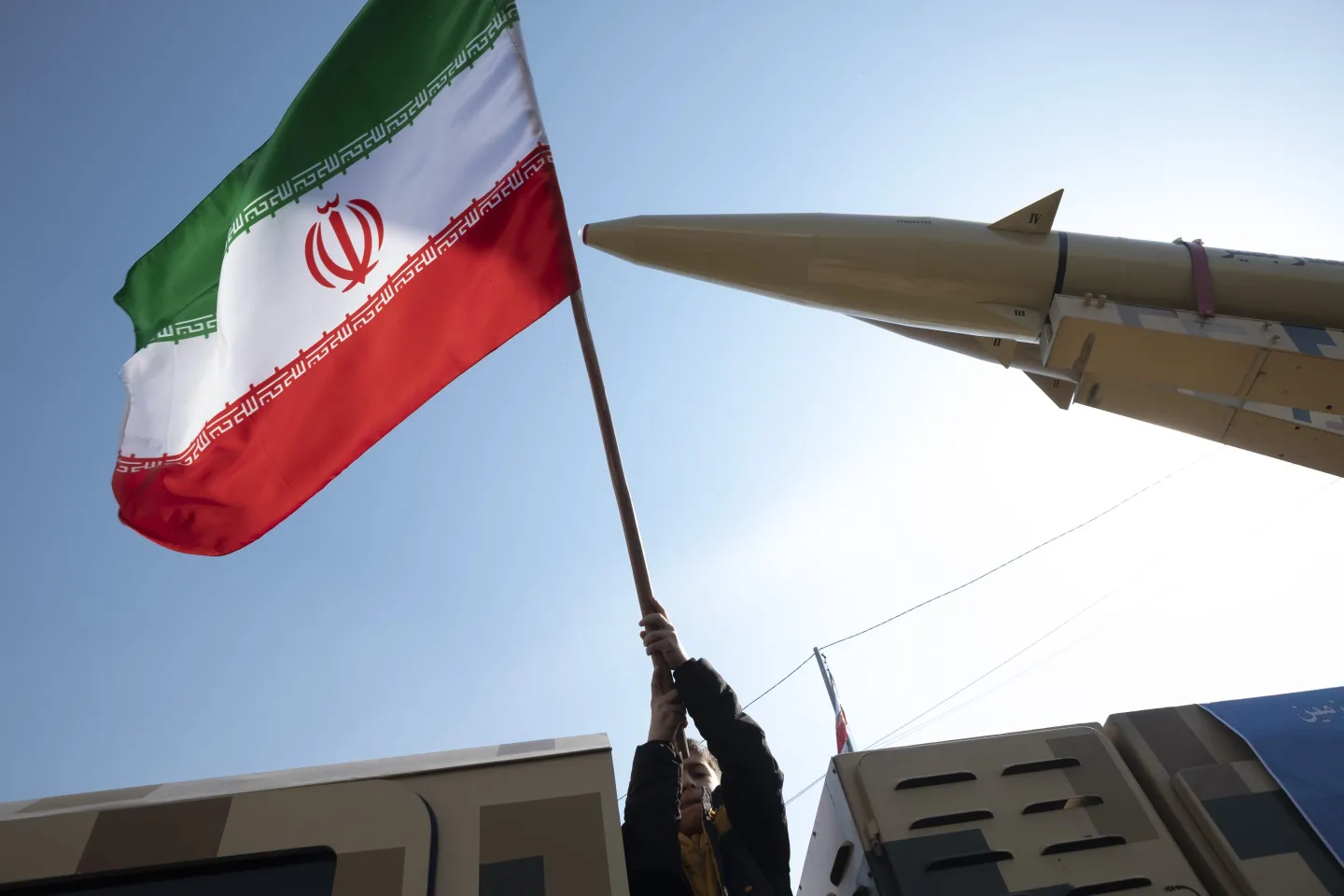
A surge in global fuel prices driven by geopolitical tensions linked to the US/Israel–Iran conflict has pushed up transport-related costs, prompting the government to roll out a mix of tax relief measures, subsidies, and price adjustments aimed at easing pressure on consumers.
Deputy President Kithure Kindiki, in a Facebook post on Tuesday, said the ripple effects of the conflict have been felt across freight, insurance, and logistics sectors, leading to higher costs that are now affecting local fuel pricing and the wider economy.
He stated that the government remains committed to cushioning citizens from the global fuel shock through tax changes and subsidies designed to stabilise the market while keeping essential public services running.
According to Kindiki, Value Added Tax on petroleum products has been reduced from 16% as part of efforts to ease the burden on households and businesses facing rising living costs.
He also revealed that Sh12 billion has already been spent on fuel subsidies over the past two months, with further support expected to be applied to future fuel stocks until global market conditions improve.
In a key relief measure, the Deputy President announced that diesel prices have been reduced by Sh10 per litre with immediate effect, saying the move follows ongoing consultations with stakeholders in the transport and energy sectors.
At the same time, he defended the continued taxation of fuel products, arguing that the remaining revenue is necessary to fund infrastructure projects, especially road construction and maintenance, which he said are vital for economic activity.
He added that the government must balance short-term relief for consumers with long-term funding needs for sectors such as education and social services, warning that disruption of tax collection could undermine national development priorities.
Kindiki also raised concern over rising incidents of violence linked to protests over fuel prices, condemning arson, armed robbery, and destruction of both public and private property, which he said threaten national stability and economic progress.
He further stated that individuals who support or engage in criminal activity during protests should not be allowed to hold leadership positions, saying such behaviour puts the country’s future at risk.
The remarks come amid continued public concern over fluctuating fuel prices, which have been driven by global supply disruptions and geopolitical instability affecting major oil-producing and transit regions.
Despite government interventions including subsidies, tax adjustments, and consultations with transport operators and fuel sector players, fuel costs remain a major concern for households and businesses, with knock-on effects on commodity prices and transport fares.
Kindiki maintained that ongoing engagement with stakeholders will continue, with further policy adjustments expected depending on global fuel market trends and available fiscal space, as the government seeks to balance immediate relief with long-term economic stability.



Comments
Sign in with Google to comment, reply, and like comments.
Continue with Google