ASALs department seeks Sh5.37 billion amid widening funding gap
The department warned that several ongoing and planned projects may be affected if the shortfall is not addressed. These include programmes under regional development authorities, water projects, and community support initiatives focused on food security and climate resilience.
The State Department for ASALs and Regional Development is seeking an additional Sh 5.37 billion for the 2026/27 financial year, saying the allocation proposed by the National Treasury of about Sh 4.69 billion is not enough to sustain key development programmes in arid and semi-arid regions.
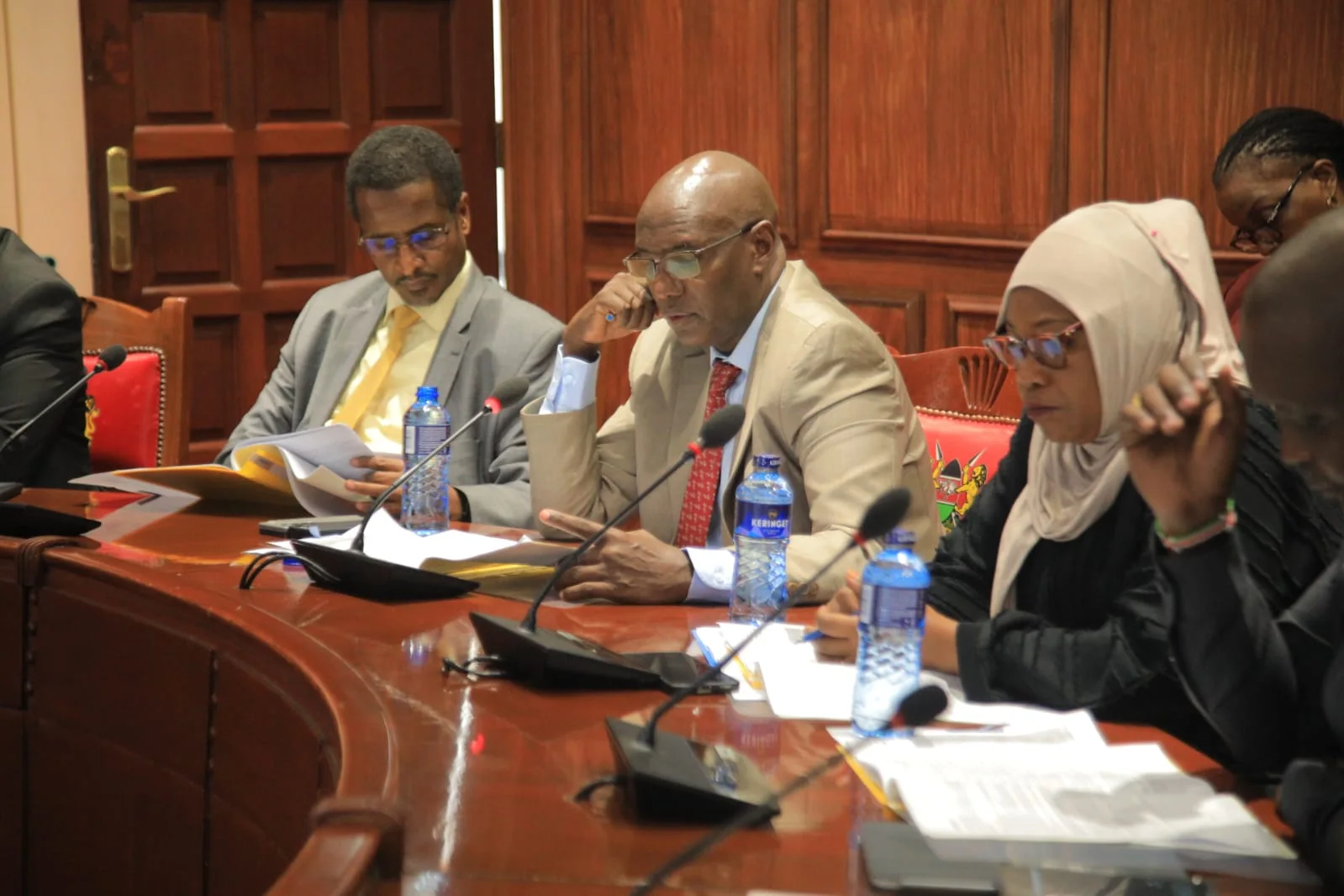
Appearing before the National Assembly Committee on Regional Development on Wednesday, Principal Secretary Kello Harsama said the funding gap could slow down the implementation of critical interventions targeting drought-prone areas. He explained that rising programme demands and the need to scale up ongoing projects have increased the department’s financial requirements.
“The resource requirement has increased due to expansion of programmes and the need to scale up ongoing interventions,” Harsama told the committee.
He added that most of the budget pressure is coming from development spending, especially drought mitigation, infrastructure projects, and livelihood support programmes aimed at vulnerable communities in ASAL regions.
The department warned that several ongoing and planned projects may be affected if the shortfall is not addressed. These include programmes under regional development authorities, water projects, and community support initiatives focused on food security and climate resilience.
Attention was drawn to the Lake Basin Development Authority, which plays a key role in irrigation, agriculture development, and fisheries within the Lake Victoria basin. The department said reduced funding could delay project completion and slow down the rollout of new interventions.
It further noted that it is already managing planned and ongoing programmes that rely heavily on timely exchequer releases.
The Lake Basin Development Authority is among the agencies expected to feel the impact of the reduced funding. The authority handles integrated development projects including land reclamation, irrigation expansion, and blue economy initiatives across several counties in western Kenya.
Budget limits, the department warned, could weaken its ability to deliver on its mandate and affect strategic projects across its jurisdiction.
The submission stressed the need for stable funding to allow such agencies to meet their development goals, especially in areas where communities depend on climate-sensitive livelihoods.
Despite the growing programme demands, the National Treasury has maintained a lower budget ceiling, creating a gap between planned activities and available funding.
The Principal Secretary said the department’s allocation has effectively reduced in real terms even as responsibilities continue to grow. “The State Department has experienced a reduction under the current budget policy,” the document notes.
Members of the National Assembly Committee on Regional Development raised concerns over how the department will manage competing priorities under the reduced allocation. They questioned whether key projects tied to food security, drought response, and regional equity may be delayed or scaled down.
The committee is expected to review the estimates and forward recommendations to the Budget and Appropriations Committee for final consideration.
The issue comes at a time when ASAL regions continue to face recurring drought, food shortages, and long-standing development challenges.
The department warned that failure to secure the full Sh 5.37 billion could slow down progress in addressing these challenges, affecting millions of people who depend on government support programmes.
Parliament will now decide whether the additional funding is approved or whether the department will have to adjust its programmes under the current ceiling.




Comments
Sign in with Google to comment, reply, and like comments.
Continue with Google