Automatic salary increments for public servants to end by June next year
Under the new plan, ministries, departments and agencies will no longer rely on automatic salary progression or time-based career growth, but will instead adopt a system where pay and promotion are directly linked to measurable performance outcomes.
Public servants are set to face a major shake-up in how they are paid and promoted, after the government agreed to abolish automatic salary increases and shift fully to a system that rewards performance and results starting June next year.
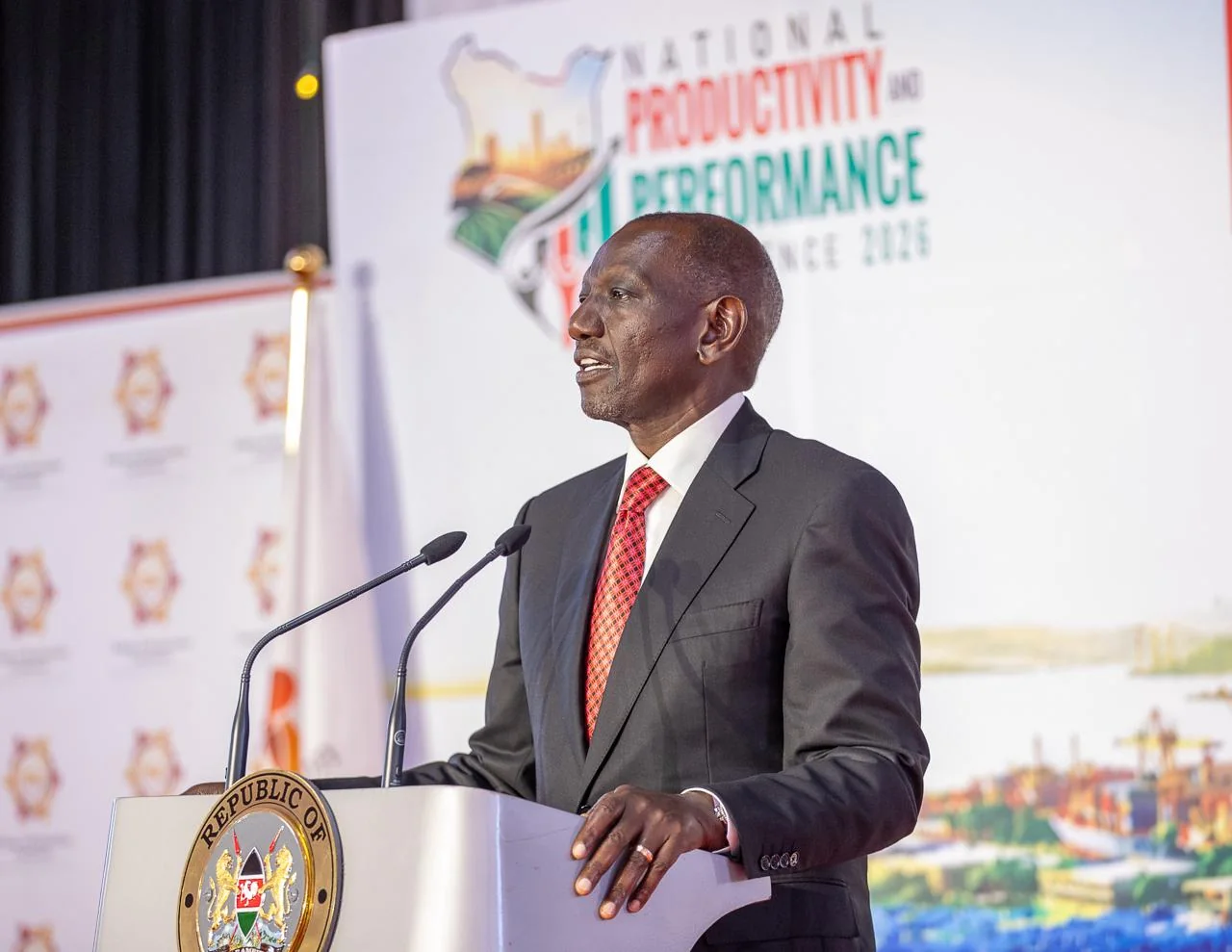
The decision was reached during a three-day National Productivity and Performance Conference held at the Kenya School of Government, where leaders agreed that all public service compensation structures will gradually move away from routine-based progression to a model anchored on productivity across both national and county governments.
Under the new plan, ministries, departments and agencies will no longer rely on automatic salary progression or time-based career growth, but will instead adopt a system where pay and promotion are directly linked to measurable performance outcomes.
“All public sector compensation systems shall progressively transition from automatic salary progression and career progression to productivity and performance-based remuneration for ministries, departments and agencies at national and county government levels,” the conference resolutions state.
The reforms are expected to sharply raise labour productivity in the public sector from the current 1.38 per cent to at least 20 per cent by June next year, marking one of the most ambitious efficiency targets in recent years.
The Salary and Remuneration Commission has been directed to lead the rollout of the new system and ensure all public institutions comply with the changes once they take effect.
At the same time, Parliament, County Assemblies, and the Head of the Public Service, together with other stakeholders, have been instructed to develop and adjust the necessary laws, policies and systems needed to embed productivity into government planning, budgeting, performance tracking and service delivery.
The conference also agreed to restructure the Performance Contracting Framework, raising the weight of productivity measures from 3 per cent to at least 50 per cent by June 2028, in a bid to make results the central measure of public service work.
According to the resolutions, the shift is aimed at improving service delivery, strengthening accountability, enhancing fiscal discipline, and improving citizen satisfaction while positioning the country as more competitive globally.
Delegates further called for faster adoption of digital systems and restructuring of internal government processes to remove delays and improve efficiency across public offices.
“The conference resolved that the government should fully automate and digitise public services and internal operations to improve productivity, efficiency, transparency, and the citizen experience,” the resolutions read.
President William Ruto confirmed that the government would move ahead with the implementation of all the resolutions, saying there would be no reversal of the reforms agreed upon.
“Forget what people are saying outside, all these resolutions will be implemented, and I will add more because I have some ideas too,” said President Ruto.
He added that the public service will now shift focus from time spent in office to actual output and impact created through work done.
“That era ends here. From today, the public service will reward results, not routine; impact, not attendance. We must stop measuring time spent and start measuring value created. What matters is not how long a public servant sits at a desk, but the difference they make.”
He further stressed that promotions will no longer be based on years of service but strictly on performance and results achieved.
He also pushed for merit-based recruitment across all public service institutions, saying fairness and competence must guide hiring decisions going forward.
“We must restore merit to the heart of public service. All public service recruitment commissions should hire based on merit, fairness and transparency, so that only the most competent have the opportunity to serve.”
Public servants are now headed into a new system that ties pay, promotion and career growth directly to output, marking a major departure from long-standing automatic progression practices.
The reforms also place strong emphasis on digital transformation and automation as key drivers of efficiency and transparency across government operations.
Implementation is expected to begin within months, setting the stage for one of the most significant changes in Kenya’s public service structure in years.




Comments
Sign in with Google to comment, reply, and like comments.
Continue with Google