PS Sing’Oei calls for greater women's leadership in diplomacy and global governance
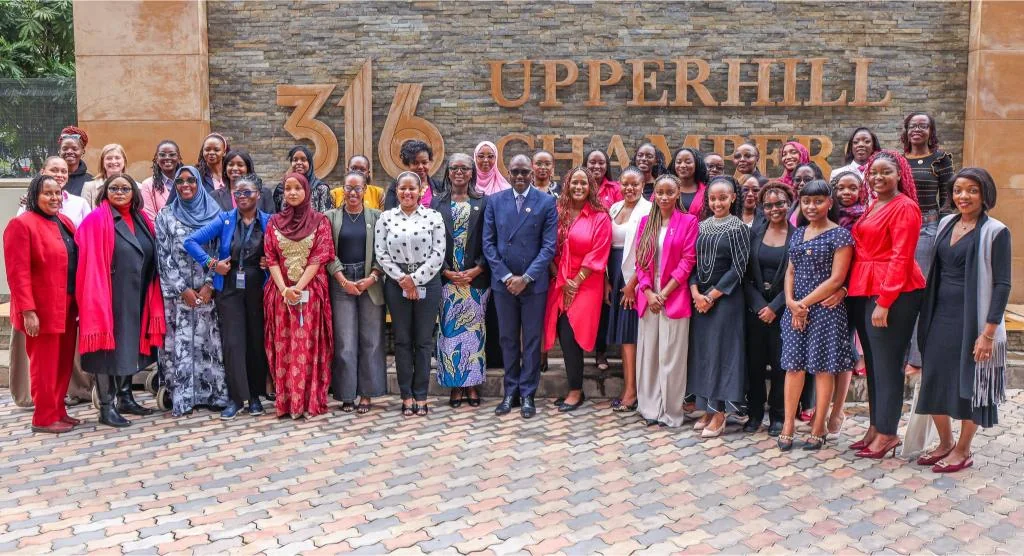
According to the Principal Secretary, advancing women's leadership requires deliberate efforts to create opportunities for mentorship, training and professional growth.
Foreign Affairs Principal Secretary Korir Sing'Oei has called for increased participation of women in diplomacy, peacebuilding and global governance, saying their leadership is critical in addressing emerging global challenges.
The remarks were made during the opening of the Women in Diplomacy Programme at the Foreign Service Academy, which brought together diplomats, development partners and aspiring women leaders to discuss ways of strengthening women's representation in international affairs.
Speaking at the event, Sing'Oei said women play a vital role in shaping diplomacy, sustainable development and peace processes due to their unique perspectives and understanding of societal needs.
“Women bring unique perspectives and a deep understanding of societal needs, making them indispensable in addressing complex global challenges,” he said.
The Principal Secretary emphasized that inclusive representation in decision-making spaces is essential for effective diplomacy, noting that diverse voices contribute to stronger and more sustainable outcomes.
He cited the contributions of renowned women leaders, including Eleanor Roosevelt, whose role in the development of the Universal Declaration of Human Rights remains globally recognized.
He also highlighted the achievements of Kenyan women who have made significant contributions to agriculture and food security.
According to Sing'Oei, advancing women's leadership requires deliberate efforts to create opportunities for mentorship, training and professional growth.
He reaffirmed the commitment of the State Department for Foreign Affairs to support women through leadership development programmes, capacity-building initiatives and international exposure opportunities.
“Diplomacy is stronger and more effective when diverse voices are included,” he said, stressing the need to ensure women have equal opportunities to contribute to policy formulation and international engagement.
The call was echoed by Antonio N'Gabala-Sodonon, who noted that Kenya has made significant progress in establishing constitutional and policy frameworks that promote gender equality.
However, she said more work remains to be done to translate those commitments into equal representation in leadership positions.
“Greater efforts are needed to translate these commitments into equal representation,” N'Gabala-Sodonon said.
She identified mentorship, professional networks, technical expertise and institutional support as key factors in empowering women to assume leadership roles in diplomacy and governance.
The UN Women Kenya representative encouraged participants to pursue leadership opportunities confidently while also mentoring and supporting younger women seeking to enter the field.
Both speakers underscored the growing importance of women's leadership in tackling global issues such as peace and security, climate change, international trade, migration, artificial intelligence and sustainable development.
They argued that as the world confronts increasingly complex challenges, governments and institutions must ensure women are adequately represented in decision-making processes at national, regional and international levels.
The programme also highlighted the importance of partnerships in advancing gender equality and leadership development. Organizers acknowledged the role played by UN Women Kenya and Konrad Adenauer Stiftung in supporting the initiative.
Participants are expected to engage in discussions, mentorship sessions and leadership development activities aimed at equipping emerging women leaders with the skills and networks needed to thrive in diplomacy and international affairs.
The Women in Diplomacy Programme forms part of broader efforts to increase women's participation in leadership and strengthen their role in shaping policy, peacebuilding and global governance.




Comments
Sign in with Google to comment, reply, and like comments.
Continue with Google