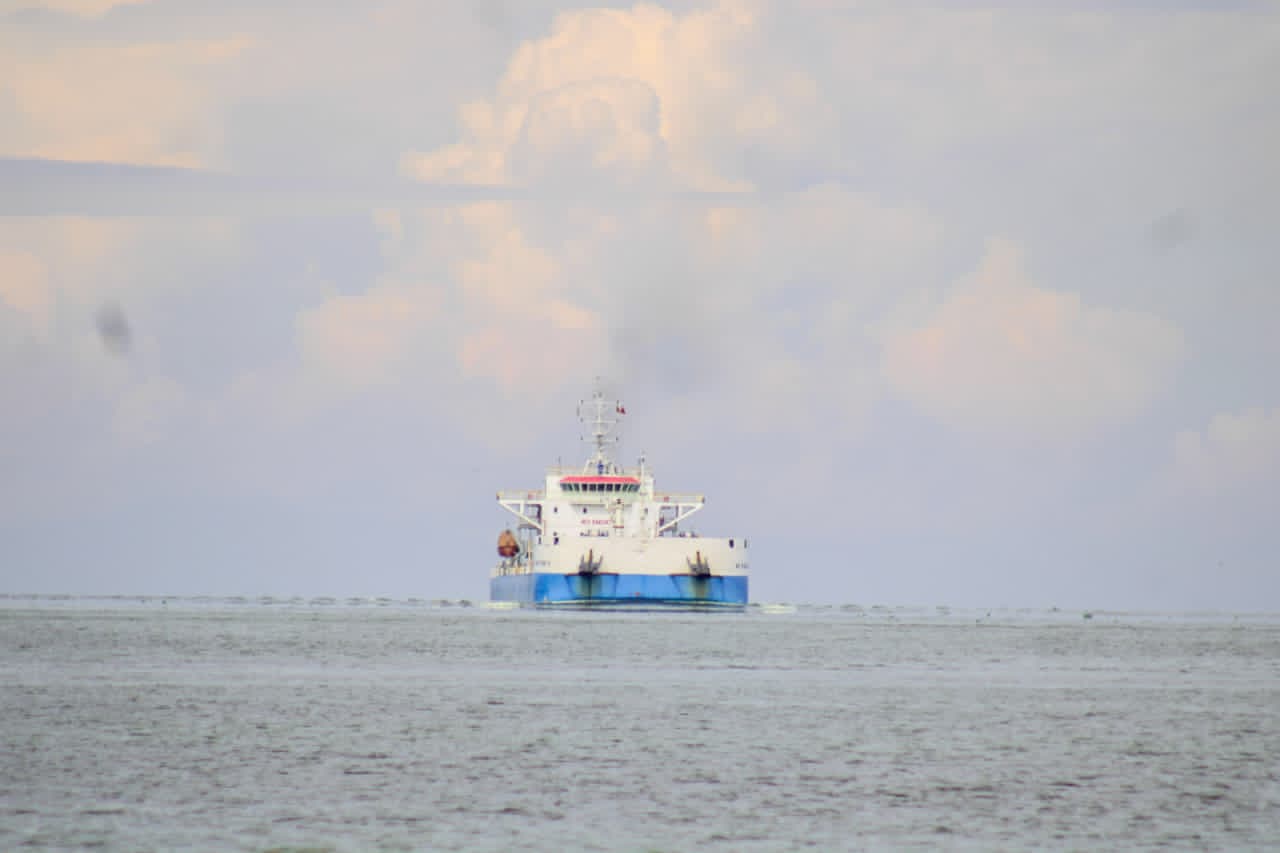
Kisumu Port is projecting stronger cargo performance in the coming year, with volumes expected to rise to about 700,000 metric tons in 2026, compared to 459,601 metric tons handled in 2025. The increase is linked to growing regional trade, new coal imports from Tanzania, and higher petroleum traffic, supported by ongoing infrastructure works and improved transport routes across Lake Victoria.
The Kenya Ports Authority says part of the new momentum is being driven by the start of coal shipments from Songea in Tanzania, which are now passing through Kisumu Port for the first time as trade flows expand within the region.
In a statement posted on its X page on Monday, the port said that a key development in 2026 is the introduction of coal shipments from Songea in Tanzania, which are being transported through Kisumu Port for the first time.
Kisumu Port Manager Cargo Services, Patrick Makau, said the new cargo stream reflects a diversification of the port’s operations and an expansion of the types of goods being handled at the facility.
“The latest notable development is the emergence of coal shipments from Songea, Tanzania, transiting through Kisumu for the first time,” Makau said, adding that negotiations are at an advanced stage between Tanzanian exporters and buyers in West Pokot aimed at opening a new commercial corridor for Western Kenya manufacturers.
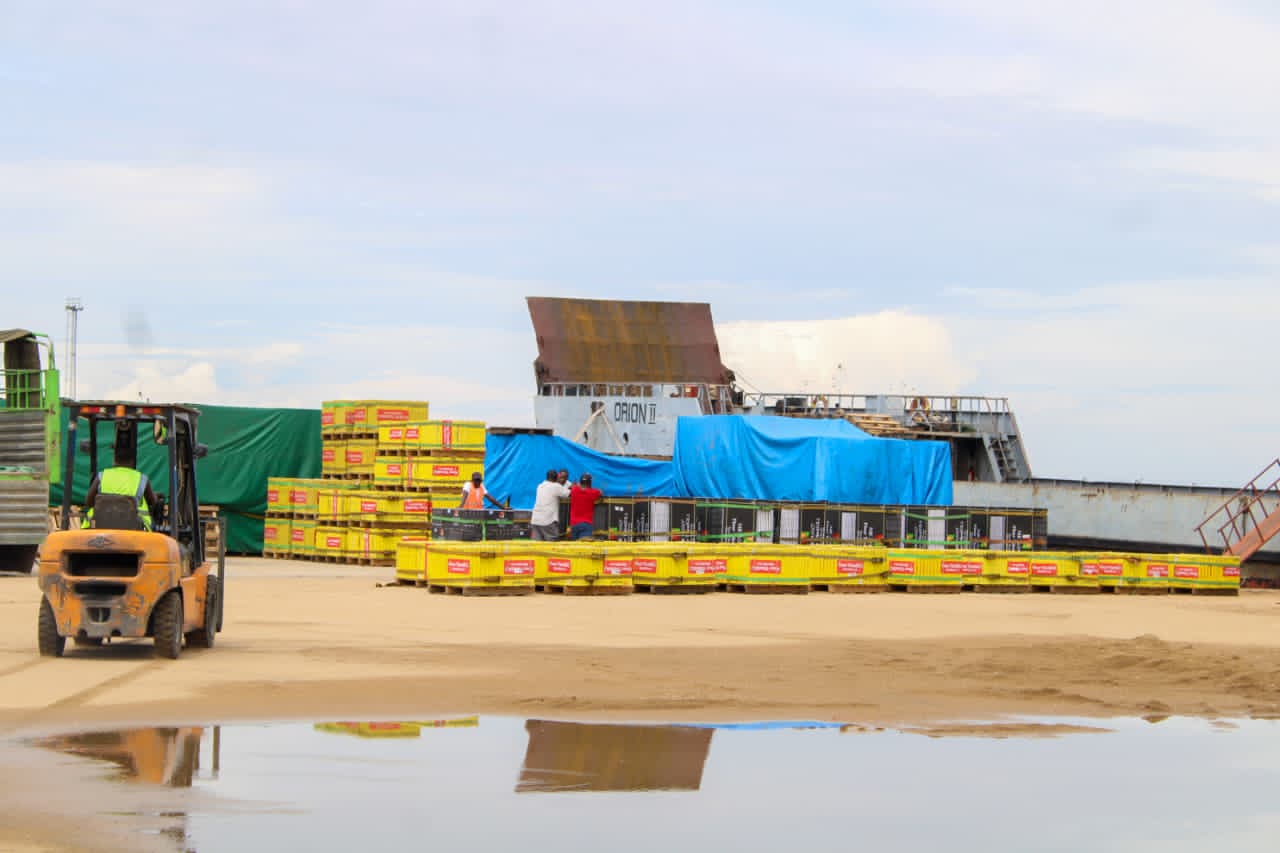 Goods being offloaded from the ship at Kisumu Port. PHOTO/KPA
He noted that this development is expected to reduce Kisumu’s reliance on petroleum cargo.
The MV Uhuru 1 docked at Kisumu Port on April 18, 2026, arriving from Mwanza, Tanzania, carrying 1,200 tons of industrial coal. The shipment is part of increasing movement of goods across Lake Victoria, linking ports in Kenya, Tanzania, and Uganda.
Petroleum products still account for a large share of operations at the port, supported by steady tanker services to Uganda. The MV Uhuru II operates two trips every week to Port Bell and Jinja, while vessels such as MV Mpungu, with a 1,000-tonne capacity, together with other smaller craft, continue to support fuel distribution across the region.
Activity at the port has also risen in early 2026. In March, Kisumu recorded 26 vessel calls, up from 23 in February and 18 in the same month in the previous year. The MT Kabaka Mutebi II made seven calls, MV Uhuru II and MV Orion II three each, MT Elgon six, MV Mpungu one, and MV Orion I two.
Export volumes in March reached 44,301 tonnes, driven mainly by 40,533 tonnes of petroleum products. Other exports included 2,885 tonnes of ceramic tiles, 774 tonnes of high rolling coils, and 109 tonnes of heavy machinery.
Between January and March, total throughput stood at 145,753 tonnes, representing a 46 percent rise compared to the same period in 2025.
Kenya Ports Authority attributed the growth to ongoing infrastructure improvements at the port. The quay has been extended from 262 metres to 392 metres, allowing more than one vessel to dock at the same time.
Dredging works have improved water depth conditions, while expanded storage space has increased cargo handling capacity. A new passenger terminal is under construction, and a new access road connecting the port to the regional highway network is almost complete.
Navigation on Lake Victoria has improved after the installation of modern aids along key routes. Security operations are now managed under a multi-agency system, with plans in place to link rail and lake transport, including the introduction of oil wagons to ease pressure on roads.
Efficiency has also improved following the arrival of new equipment, including a Grove mobile crane, a 10-tonne XGMA forklift, and two 3-tonne forklifts, which have reduced vessel turnaround time and increased handling capacity.
Beyond cargo handling, the expansion of Kisumu Port is also supporting wider economic activity across counties around Lake Victoria. Improved piers, safer navigation, and better connectivity are boosting tourism, fisheries, regulated water transport, and inter-county trade.
Looking ahead, Kenya Ports Authority said Kisumu Port is preparing to handle up to 4,000 twenty-foot equivalent units, placing it among key inland logistics hubs in the region’s lake transport network.



























Comments
Sign in with Google to comment, reply, and like comments.
Continue with Google